Dollar-Only Internet Pushes Cubans Offline and Relies on Exiles’ Money
Cuba’s state telecom monopoly, ETECSA, has shifted internet access into the dollar economy, creating a new barrier for millions. On May 30, ETECSA announced that Cubans can only top up 360 pesos (less than $1 at the street rate) for mobile data every 30 days.
This limit barely covers a minimal data package. Anyone needing more must pay in US dollars, using international cards or digital wallets. Most Cubans earn an average monthly salary of about 3,000 pesos.
The cost of a 3 GB data package is 3,360 pesos, already more than a month’s pay. The largest plan, 15 GB, now costs 11,760 pesos—almost four times the average salary.
Dollar-priced plans cost $10 for 4 GB, $20 for 8 GB plus calls and texts, and $35 for 16 GB. These prices are impossible for most Cubans unless they receive remittances from family abroad.
ETECSA claims these changes are necessary to “sustain and develop” the network, citing a need for foreign currency to maintain infrastructure. However, official figures and public statements show that these measures have triggered widespread frustration and anger.
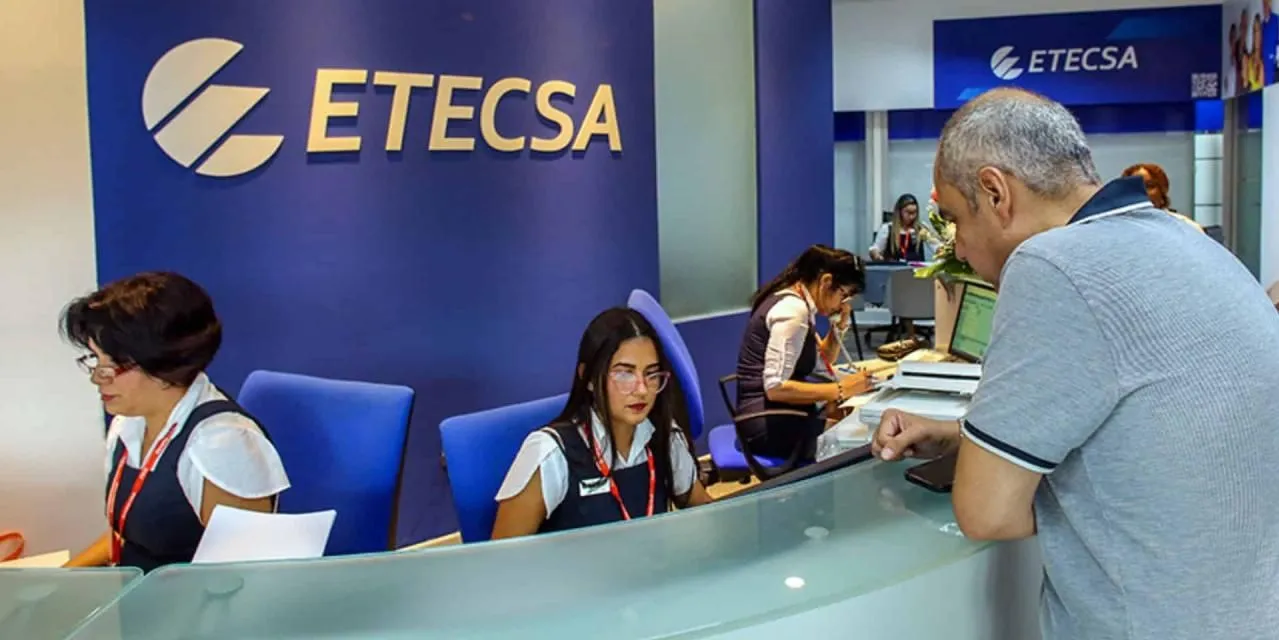
Students, professionals, and even some state institutions have publicly criticized the move, describing it as exclusionary and unfair. For many, internet access was a rare window to the outside world and a tool for work, study, and communication.
Now, it has become a privilege reserved for those with access to dollars. The government’s policy effectively outsources the cost of connectivity to Cuban exiles, who already send remittances, food, and medicine to family on the island.
Many in the diaspora feel exploited, saying the new rules treat them like “ATMs” for the state. The policy deepens Cuba’s digital divide. Those without family abroad or access to foreign currency face digital isolation.
Many have decided to boycott international top-ups in protest, hoping to pressure ETECSA to reverse the measure. The dollarization of internet access mirrors broader trends in Cuba’s economy, where basic goods and services are increasingly priced in foreign currency, leaving those with only pesos further behind.
The new internet rules highlight a stark reality: in today’s Cuba, staying connected depends not on local effort but on dollars from overseas.
For millions, this means fewer opportunities and greater dependence on relatives abroad, while the government’s search for hard currency continues to widen the gap between connected and disconnected Cubans.
More: Cuba news in English, every day from The Rio Times.
This article was produced by The Rio Times’ automated newsroom system. How we use AI · Report an error · Editorial responsibility: Matthias Camenzind, Editor-in-Chief