Nigeria’s Biggest IPO: Dangote Refinery Demand Soars as Price Doubts Linger
Nigeria · ENERGY
Key Facts
- —The country Nigeria is Africa’s most populous country, with about 238 million people. Its economy, about US$291 billion in 2025 (World Bank), is smaller than Portugal’s.
- —Why it matters Nigeria pumps crude but long imported most of its petrol. The privately built Dangote refinery near Lagos, Africa’s largest, was meant to end that dependence.
- —Why now The refinery’s public share sale closes on Tuesday 13 October. On 29 September Aliko Dangote, Africa’s richest man, called investor demand “enormous”.
- —What happened The offer opened on 14 September: 4.1 billion shares at 525 naira each, about US$1.6 billion in total.
- —The numbers The offer price values the whole company at about US$49 billion, more than twice the roughly US$20 billion it cost to build.
- —What it means for you Nigerians can apply through local brokers. Kenyans may soon buy depositary receipts on the Nairobi exchange, subject to regulatory approval.
- —Still open Whether the price holds after listing, and whether Dangote can fund a new US$16 billion refinery in Kenya at the same time.
Nigerians are queuing for shares in Africa’s largest refinery. Its owner says demand is enormous, yet the price tag has drawn doubts from analysts.
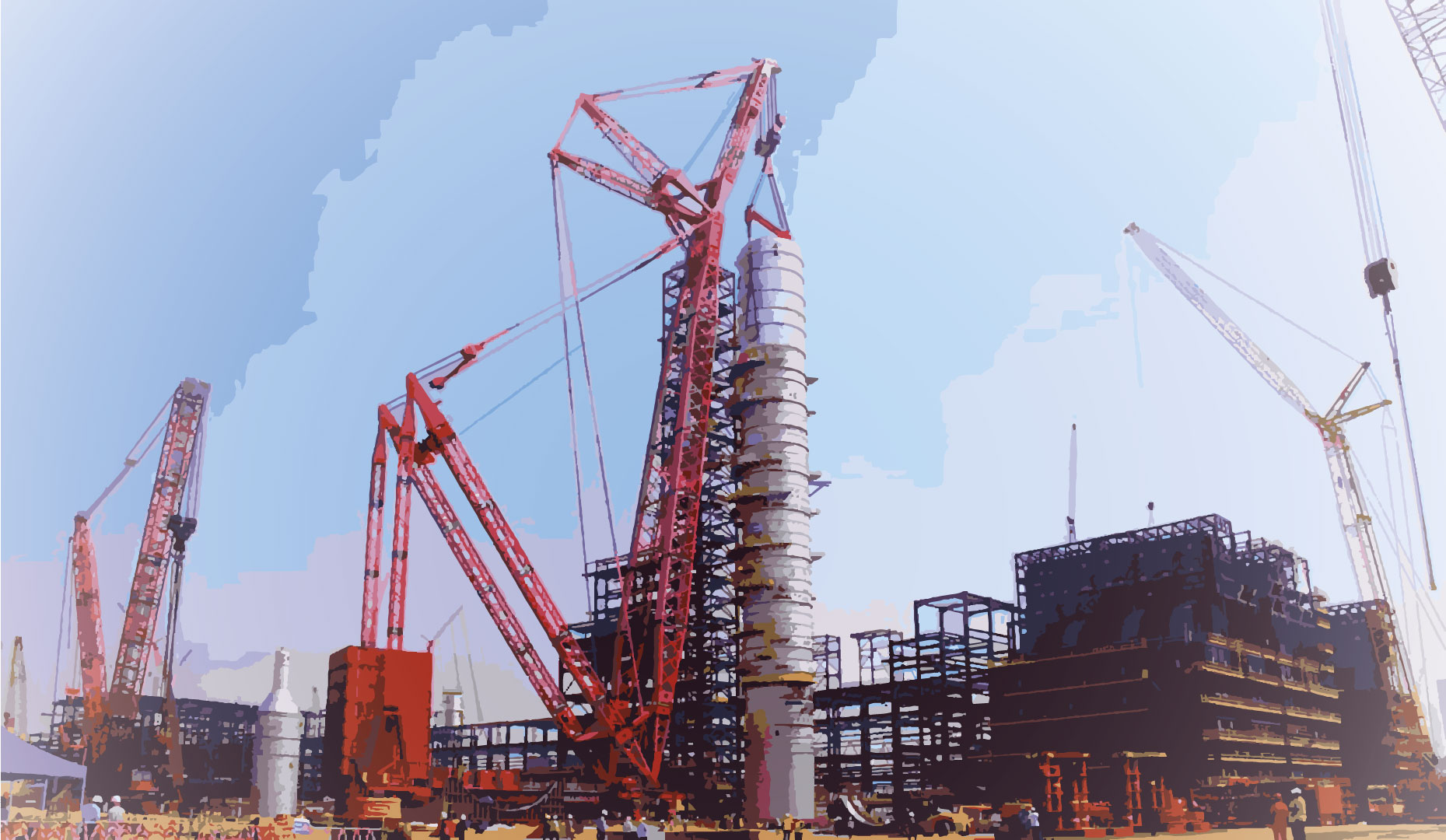
The Dangote refinery IPO, Nigeria’s largest share sale and by the company’s account Africa’s biggest, closes on Tuesday 13 October. Aliko Dangote, the continent’s richest man, told reporters in Nairobi on 29 September that investor demand was “enormous”.
Nigeria, a country of about 238 million people, produces crude oil but imported most of its fuel for decades. The refinery near Lagos was built to change that, and it now sells petrol, diesel and jet fuel at home and abroad.
What is on offer
The company is selling 4.1 billion shares at 525 naira each, or about 2.15 trillion naira (about US$1.6 billion). Conversions here use 1,328 naira per US dollar (open.er-api.com, 2 October 2026).
The offer opened on the Nigerian Exchange in Lagos on 14 September. The minimum purchase is 5,250 naira (about US$4), so ordinary savers can take part.
Nigerian newspaper ThisDay reported that bids of about 1.5 trillion naira (about US$1.1 billion) arrived on the first day. Kenya’s Business Daily reported on 30 September that Dangote has asked Nigeria’s Securities and Exchange Commission to let it sell more shares.
No final subscription figure has been published, and no increase in the offer size has been approved.
A refinery built at extraordinary scale
The refinery at Lekki, east of Lagos, cost about US$20 billion and began operating in 2024.
Its nameplate capacity is 650,000 barrels per day. Reuters reported in June that it topped 700,000 barrels a day in a test.
The group says it wants to double capacity to 1.4 million barrels per day. The US Energy Information Administration has reported that Nigeria’s seaborne fuel exports rose about sevenfold from 2023 as the plant ramped up.
Dangote told investors the refinery earned revenue of about 19.47 trillion naira (about US$14.7 billion) in the first half of 2026. He put profit after tax at 2.55 trillion naira (about US$1.9 billion).
Those figures come from the company and have not been independently audited in public. Investors will rely on the offer documents filed with Nigeria’s Securities and Exchange Commission.
The valuation question
At the offer price, the company is worth about 65.22 trillion naira (about US$49 billion), ThisDay reported. The shares on sale amount to only about 3% of the company.
That valuation is more than twice the reported construction cost. In a 15 September commentary, Reuters Breakingviews said Dangote was putting “a rich price” on refining scarcity.
The columnist’s point was that fuel margins are unusually strong. If they fall back, earnings and the share price could follow.
Dangote has set out far bigger ambitions. He said on 28 September that the wider Dangote Group could be worth over US$350 billion by 2030, on profits of US$35 billion a year.
The Kenya refinery raises the stakes
On 30 September Dangote and Kenyan President William Ruto broke ground on a second refinery at Lamu, on Kenya’s coast. Reuters reported a planned capacity of 700,000 barrels per day, a cost of US$16 billion and completion in 2030.
The Dangote Group is to hold 70%, with regional governments taking the rest. Ruto said the project would add 12% to Kenya’s economy, and officials expect over 50,000 jobs, claims that cannot yet be tested.
The project faces open questions. Reuters noted uncertainty over crude supply, and Lamu residents have challenged the project in Kenya’s High Court over land. The groundbreaking went ahead while the case continues.
For readers tracking how energy projects reshape African economies, this fits a broader pattern covered in Africa: The New Scramble.
Why the state still matters
The refinery is private, but its fortunes run through Nigerian policy. Crude supply from the state oil company, fuel pricing and the value of the naira all shape its profits.
Its success could cut Nigeria’s fuel imports and the dollars spent on them. Its risks, from crude shortfalls to currency swings, now fall partly on millions of small shareholders.
What to watch next
The offer closes on 13 October, and allotment and listing on the Nigerian Exchange should follow. The first weeks of trading will show whether buyers accept the US$49 billion valuation. The Rio Times set out the costs of owning the shares when the offer opened, in The Dangote Refinery Share Offer Is Cheap to Enter and Expensive to Own.
In Kenya, investors may be able to buy depositary receipts for 49 Kenyan shillings (about US$0.38) through the Nairobi Securities Exchange. Business Daily reported that the vehicle still awaits regulatory approval.
Dangote has also said the group plans a listing outside Africa, most likely in the United States, within three to four years. No timetable or exchange has been fixed.
Frequently Asked Questions
When does the Dangote refinery IPO close?
The offer runs from 14 September to 13 October 2026 on the Nigerian Exchange in Lagos. Shares cost 525 naira each, with a minimum purchase of 5,250 naira (about US$4).
How much is Dangote raising and at what valuation?
The offer seeks about 2.15 trillion naira, or roughly US$1.6 billion, for about 3% of the company. The offer price implies a total value of about US$49 billion.
Why do some analysts think the price is high?
Reuters Breakingviews argued that the price assumes today’s unusually strong refining margins and fuel scarcity will last. The valuation is more than twice the refinery’s reported construction cost.
What is the Kenya refinery?
On 30 September Dangote and Kenyan President William Ruto broke ground on a planned 700,000-barrel-a-day refinery at Lamu. It is expected to cost US$16 billion and to be completed in 2030.
Connected Coverage
- Africa’s largest share sale opens in Lagos (14 September)
- The Dangote Refinery Share Offer Is Cheap to Enter and Expensive to Own
- Kenya’s securities regulator warns investors over the Dangote offer
- Ruto Accuses Sifuna Over Dangote Lamu Refinery Deal
- Who Is Aliko Dangote? Africa’s Richest Man Explained
- Africa: The New Scramble
Sources
- Reuters: Facts about the Dangote refinery IPO (14 Sep 2026)
- Reuters Breakingviews: Dangote puts a rich price on refining scarcity (15 Sep 2026)
- Reuters via CNBC Africa: Dangote says IPO demand enormous (29 Sep 2026)
- Reuters via CNBC Africa: Dangote breaks ground on US$16 billion Kenya refinery (30 Sep 2026)
- ThisDay: offer terms, first-day bids, implied value (15 Sep 2026)
- ThisDay: Dangote Vision 2030 targets (28 Sep 2026)
- Business Daily: Dangote seeks to increase IPO shares (30 Sep 2026)
- Reuters: Dangote refinery tops 700,000 barrels a day in test (4 Jun 2026)
- World Bank: Nigeria population and GDP
This article was produced by The Rio Times’ automated newsroom system. How we use AI · Report an error
LatAm Markets: Live Signals → — real-time movers, turnover leaders and FX across Latin America.
Read More from The Rio Times