Uganda: Kampala Mayor Says Traders Who Built Market Stalls Must Be Paid
Uganda · POLICY
Key Facts
- —The country Uganda, a landlocked East African nation of about 51 million people, has an economy of roughly US$62 billion (World Bank, 2025), under 2% the size of Britain’s.
- —Why it matters Public markets such as Owino and Nakasero are central to trade in Kampala, the capital. Whoever controls the stalls collects the rent, a dispute running since 2022.
- —Why now Kampala’s Lord Mayor Ronald Balimwezo, in office since May 2026, told city officials on Thursday, 1 October, that traders who built stalls must be paid before any takeover.
- —What happened President Yoweri Museveni’s November 2022 guidelines handed markets to the Kampala Capital City Authority (KCCA), which took over in May 2023. Promised compensation for stall builders has not been paid.
- —Who is involved Traders at Owino, Nakawa, Bugolobi and Nakasero markets; KCCA Executive Director Sharifah Buzeki; and the national government, which would have to fund any payout.
- —What it means for you Anyone renting or buying commercial space in Kampala should check who holds title. Market property can be layered, with the city, landlords and tenants all claiming rights.
- —Still open KCCA’s executive committee has yet to rule on stall ownership. No compensation budget, amount or timetable has been announced.
Market stall compensation is back on the agenda in Uganda’s capital. Kampala’s Lord Mayor, Ronald Balimwezo, says the government must pay traders who built their own stalls before it takes over the city’s markets.
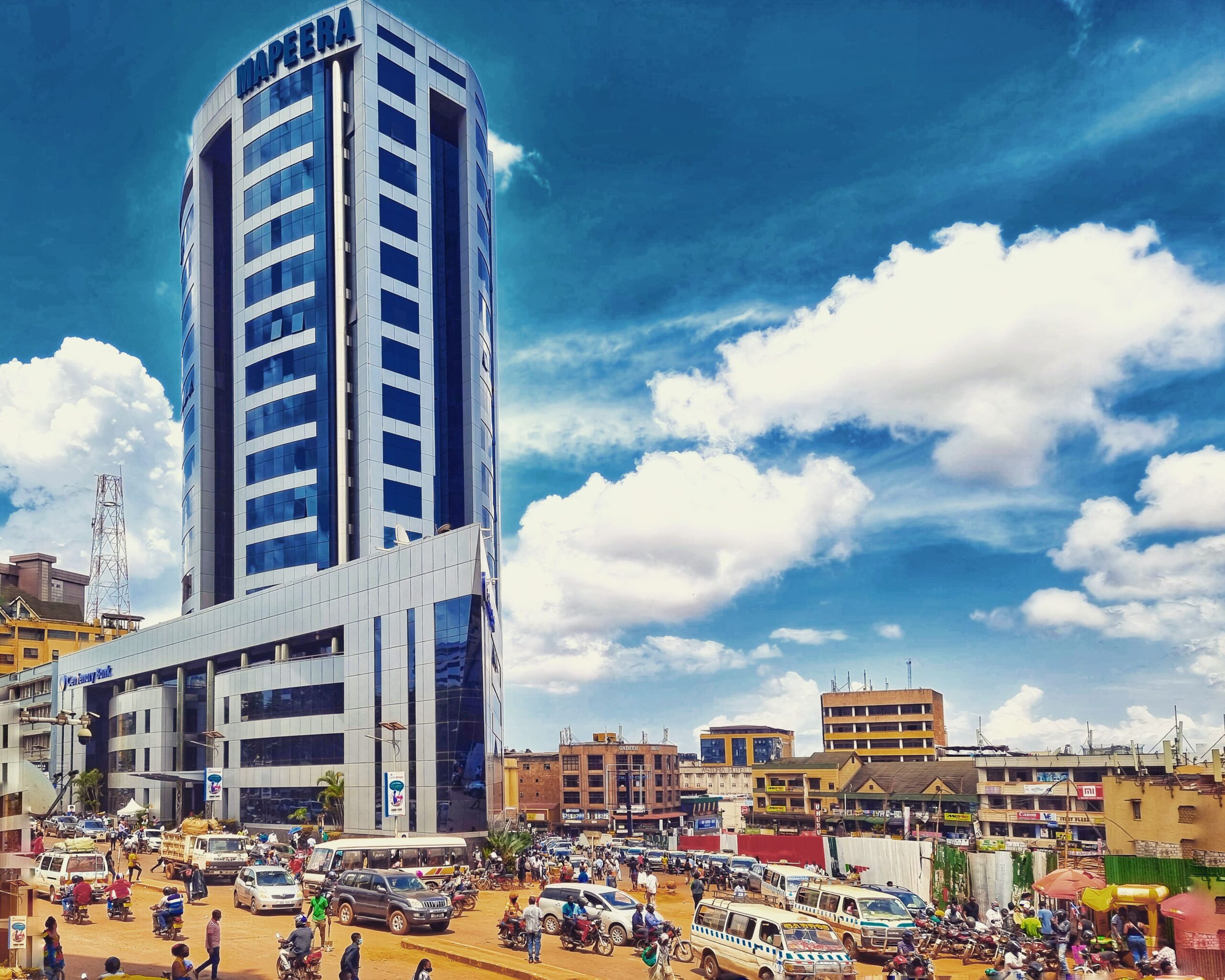
Uganda is a landlocked East African country of about 51 million people. Its capital is run by the Kampala Capital City Authority (KCCA), a state body that answers to the central government.
Kampala also has an elected Lord Mayor, a post Ronald Balimwezo has held since May 2026. On Thursday, 1 October, he told KCCA officials that traders who paid for market stalls must be compensated.
What Balimwezo said
Balimwezo spoke on the second day of a meeting between KCCA officials and traders’ representatives, the Daily Monitor reported. The talks covered market leadership, ownership, revenue collection, utilities and traders’ welfare.
He named St Balikuddembe market, better known as Owino, along with Nakawa, Bugolobi and Nakasero markets. He said traders there raised ownership concerns with him when he was the opposition’s shadow minister for Kampala.
“They spent money on constructing some of these stalls,” Balimwezo said. “Therefore they must be compensated if government wants to take over the markets.”
He added that the markets sit on KCCA land, but traders who built stalls have a stake in them. “You cannot remove a landlord from his shop because you want someone to take it over,” he said.
He urged the government to put compensation money in the national budget. He also called for quarterly meetings between KCCA and traders, and asked traders to settle their own internal disputes.
How the city authority responded
Sharifah Buzeki, KCCA’s executive director and its most senior official, said the authority’s Central Executive Committee will discuss stall ownership first. “We have to assess the situation and see where the challenges are coming from,” she said.
Buzeki said KCCA will also hold elections in markets where leadership is unresolved, with dates to follow. A planned 14-day awareness campaign before those votes has been postponed.
At the same talks, she said KCCA has more than 550 vacant spaces in its markets, Nile Post reported. She urged street traders to move into designated markets such as Wandegeya, Usafi and Luzira.
Where the dispute comes from
The row goes back to guidelines President Yoweri Museveni issued in November 2022. They disbanded existing market leadership and handed control of public markets to city authorities.
The guidelines set a “one person, one stall” rule and barred private landlords in public markets from collecting rent. They also promised compensation to those who had paid to build stalls, after which the city would own them.
City authorities took over market administration in May 2023. By February 2025 the compensation had still not been paid, the Daily Monitor reported, and displaced owners were threatening to reclaim their stalls.
Some traders say officials had asked them to contribute money to build the stalls in the first place. “Then the same stalls and shops are being taken away from us without any compensation,” an Owino trader told the newspaper.
What traders raised this week
Nsolo Yasin, who represents Owino traders, said they still do not know who owns the land under the market. He also cited an electricity debt of about Shs400 million (about US$102,000), despite regular payments.
Dollar figures use 3,930 Uganda shillings per US dollar (open.er-api.com, 2 October 2026). Zaituni Nakiganda, a Nakasero trader, said no leadership election has yet been held in her market.
She also complained about harassment and about fees to use market toilets. Another Owino trader asked KCCA to review the list of traders hit by floods, saying many were left out.
The demand is not new. In mid-September, traders at Nakawa market had already called for compensation before any takeover, Nile Post reported.
Why it matters beyond the market gates
Kampala’s public markets are where much of the city’s food, clothing and household goods change hands. Whoever owns a stall decides who collects rent from it.
Market stall compensation therefore touches city revenue, political loyalty and property rights at the same time. Paying it would create a new bill for the government or for KCCA.
Not paying it keeps alive a dispute that traders’ leaders say could turn violent. In 2025 John Kabanda, president of the Federation of Uganda Traders Associations, warned that the standoff could bring clashes in the markets.
For foreign visitors and investors, the case shows how layered property claims in Kampala can be. The city owns the land, landlords built the stalls and tenants now occupy them.
What to watch next
The next step is the review of stall ownership by KCCA’s Central Executive Committee. Any payout would then need money in the national budget, which Uganda’s parliament approves.
Market elections are the second test. Buzeki said dates would be announced soon, which would give traders formally recognised leaders to negotiate with.
No amount, list of eligible owners or timetable for compensation has been published. Until one is, the risk of disputes between former stall owners and current vendors remains.
Frequently Asked Questions
Who is Ronald Balimwezo?
Ronald Balimwezo is the Lord Mayor of Kampala, Uganda’s capital, in office since May 2026. He was previously a member of parliament and the opposition’s shadow minister for Kampala.
Why do Kampala traders want market stall compensation?
Many traders paid to build stalls in public markets. President Museveni’s November 2022 guidelines handed the markets to city authorities and promised to compensate those owners, but the payments have not been made.
What has the city authority said?
KCCA Executive Director Sharifah Buzeki said the authority’s Central Executive Committee will discuss stall ownership before deciding the way forward. No payment schedule or budget has been announced.
Sources
- Daily Monitor: Compensate traders who built stalls in markets, Balimwezo tells govt (2 Oct 2026)
- Nile Post: KCCA engages city traders on trade order, waste management and market space (1 Oct 2026)
- Daily Monitor: Confusion rocks city markets despite Museveni’s directives (26 Feb 2025)
- World Bank: Uganda data
This article was produced by The Rio Times’ automated newsroom system. How we use AI · Report an error
Read More from The Rio Times