Nigeria Wants to Make 70% of Its Healthcare Products at Home by 2030
Nigeria · HEALTH
Key Facts
- —The country Nigeria is Africa’s most populous nation, with about 238 million people. Its economy was worth about US$291 billion in 2025, roughly 1 percent of the US economy (World Bank).
- —Why it matters Nigeria imports about 70 percent of its healthcare products, according to the head of a government programme. That leaves hospitals and patients exposed to foreign suppliers and a weak currency.
- —Why now On Monday 28 September 2026, Health Minister of State Iziaq Salako restated the 2030 goal at a drug makers’ expo in Lagos and gave new financing figures.
- —What happened Mr Salako said the government targets at least 70 percent local production of essential healthcare products by 2030, up from roughly 30 percent today.
- —The numbers He said a presidential programme has secured about US$2 billion in commitments at single-digit interest rates. Around 50 local health firms are in advanced funding talks.
- —What it means for you Foreign drug makers face pressure to build plants in Nigeria or partner locally. Investors gain tariff-free inputs and cheaper credit; patients may not see lower prices soon.
- —Still open The US$2 billion is commitments, not disbursed money. No public data yet tracks progress product by product.
Nigeria buys most of its medicines and medical supplies abroad. The government now says it can reverse that by 2030 with cheap loans, tariff cuts and guaranteed state purchases.
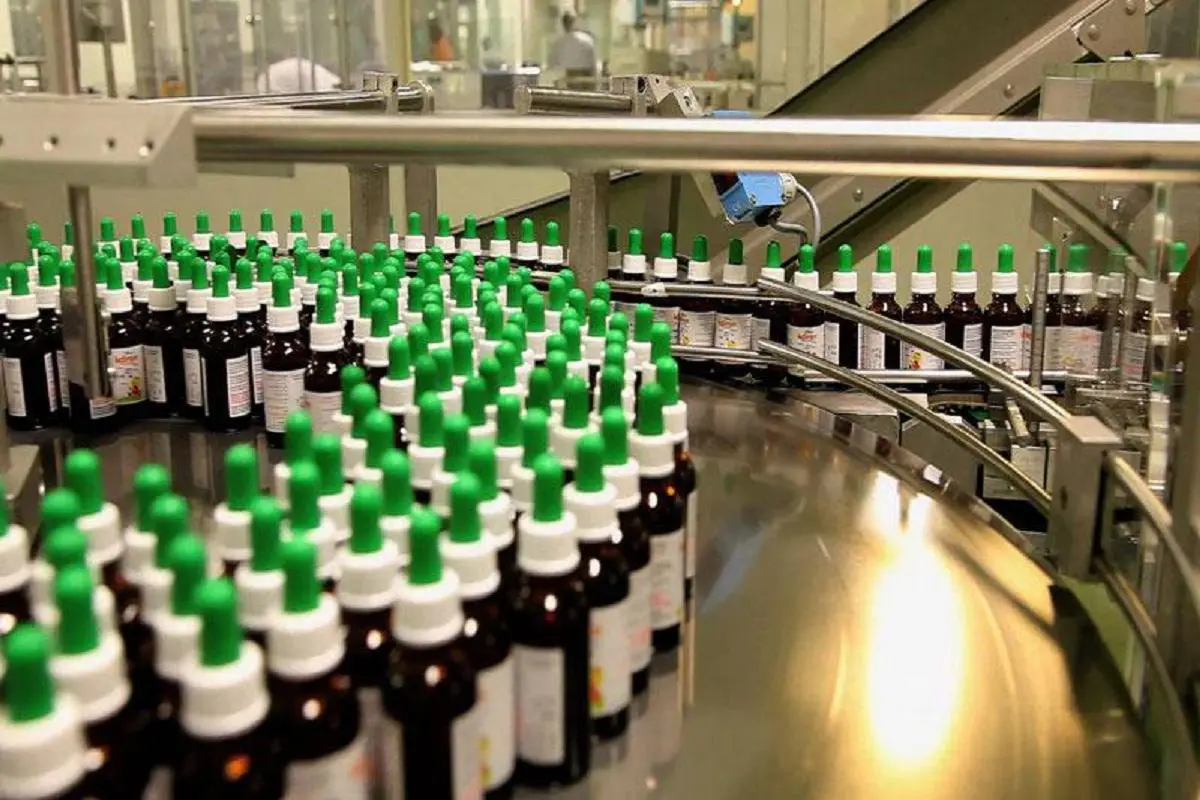
Nigeria, Africa’s most populous country, is pushing for local healthcare production of at least 70 percent of its essential health products by 2030. Today it imports roughly 70 percent of what it needs.
Iziaq Salako, Minister of State for Health and Social Welfare, restated the goal on Monday 28 September 2026. He spoke in Lagos, the commercial capital, at the 8th Nigeria Pharma Manufacturers Expo.
A policy built on medicine security
The expo was organised by the drug makers’ group within the Manufacturers Association of Nigeria, the main industry lobby. Mr Salako framed local manufacturing as a question of national resilience and sovereignty.
He said the COVID-19 pandemic exposed how risky it is to rely on distant supply chains. Nigeria, he argued, must build capacity across the whole chain, not just final assembly.
The 2030 target is not new. Abdu Mukhtar, national coordinator of the government programme behind it, set out the same goal in a 2025 interview with the International Finance Corporation (IFC), the World Bank’s private-sector arm.
The money behind local healthcare production
That programme is the Presidential Initiative for Unlocking the Healthcare Value Chain, known as PVAC. Mr Salako said it has secured about US$2 billion in financing commitments at single-digit interest rates.
He added that about 50 Nigerian health firms are in advanced funding talks. Neither figure has been independently confirmed, and commitments are not the same as money paid out.
One concrete deal predates the speech. In June 2025, Afreximbank, the African Export-Import Bank, signed a US$75 million financing term sheet with Nigeria’s state-owned Bank of Industry.
That facility targets local makers of medicines, diagnostics, medical consumables and devices under PVAC. A term sheet sets out the terms of a loan; it is not yet a disbursement.
Tariff relief for drug makers
The second tool is tax. In June 2024, President Bola Tinubu signed an executive order removing tariffs and other levies on imported pharmaceutical machinery, ingredients and packaging inputs.
Mr Salako said 87 local manufacturers now benefit from that order. It covers almost 1,000 Harmonised System codes, the international categories customs officers use to classify goods.
On 1 October, Nigerian newspapers including The Guardian and The Nation reported that the government plans to extend the order. Local manufacturers had urged it to keep the relief in place.
Beyond drug assembly
Officials say the aim goes beyond packaging imported pills. The minister listed active pharmaceutical ingredients, vaccines, biologics and diagnostic tests among the products Nigeria wants to make itself.
He cited a new pilot centre for active ingredients at the National Institute for Pharmaceutical Research and Development, a state research body. He also mentioned efforts to make HIV, hepatitis and syphilis tests locally.
The third tool is demand. The government is setting up Medipool, a national group-purchasing body for essential medicines and medical supplies.
Medipool is meant to pool state orders and negotiate bulk buys. That should give local factories more predictable sales, which lowers the risk of building a plant without a buyer.
Who gains and who loses
Local manufacturers stand to gain most, especially the 87 firms using the tariff relief. Importers of finished medicines face a smaller market if the policy works.
Multinational drug companies face a choice: invest in Nigerian plants and partners, or lose ground to protected local rivals. Mr Salako also urged firms to target wider African markets under the African Continental Free Trade Area.
Patients are the open question. Nigerian newspapers reported in 2025 and 2026 that the 2024 tariff order had not stopped steep rises in drug prices.
In May 2026, pharmacists quoted by Punch, a Lagos newspaper, said the 2030 target was not feasible. Protected local producers may also end up more expensive than global suppliers.
What to watch next
The main risk is measurement. “Healthcare products” covers medicines, active ingredients, vaccines, diagnostics and devices, so the 70 percent goal is hard to track without yearly product data.
Watch whether Medipool starts buying, whether the tariff order is formally extended and whether the US$2 billion turns into actual loans. The 2030 deadline leaves just over four years.
Frequently Asked Questions
What is Nigeria’s local healthcare production target?
Nigeria’s government wants at least 70 percent of essential healthcare products made in the country by 2030. Today it imports roughly 70 percent of what it needs.
How much financing has Nigeria secured for drug makers?
Health Minister of State Iziaq Salako said on 28 September 2026 that about US$2 billion in commitments has been secured at single-digit interest rates. These are commitments, not money already paid out.
What is Medipool?
Medipool is a national group-purchasing body for essential medicines being set up by the Nigerian government. It is meant to pool state orders and give local manufacturers more predictable sales.
Will medicines get cheaper in Nigeria?
Not necessarily. Nigerian media report that drug prices kept rising despite a 2024 tariff-relief order, and local production must still compete on cost.
Connected Coverage
Sources
- Premium Times via allAfrica: Govt targets 70% local production of essential medicines by 2030 (28 Sep 2026)
- IFC: Building Nigeria’s healthcare ecosystem (interview with PVAC coordinator Abdu Mukhtar)
- Vanguard: Afreximbank, BoI sign US$75m funding support for local healthcare manufacturers (June 2025)
- World Bank: Nigeria population and GDP data
This article was produced by The Rio Times’ automated newsroom system. How we use AI · Report an error
LatAm Markets: Live Signals → — real-time movers, turnover leaders and FX across Latin America.
Read More from The Rio Times