The Dangote Refinery IPO Opens Today, Africa’s Largest Share Sale, for 3.3% of the Company
NIGERIA · MARKETS
Key Facts
- —The company The Dangote refinery outside Lagos, the largest single-train oil refinery ever built.
- —Why it matters Nigeria exported crude and imported fuel for decades. This plant reversed that.
- —The sale 4.1 billion new shares at 525 naira each, raising about US$1.62 billion.
- —The stake That is 3.3% of the enlarged company. The rest stays with Aliko Dangote.
- —The valuation It prices the refinery at about US$47.5 billion before the money, US$49.2 billion after.
- —The catch Nigeria’s regulator banned people from marketing this share sale in June, before it existed.
Nigeria pumps crude and, until two years ago, imported nearly all its petrol. One plant changed that, and now the public can buy into it.
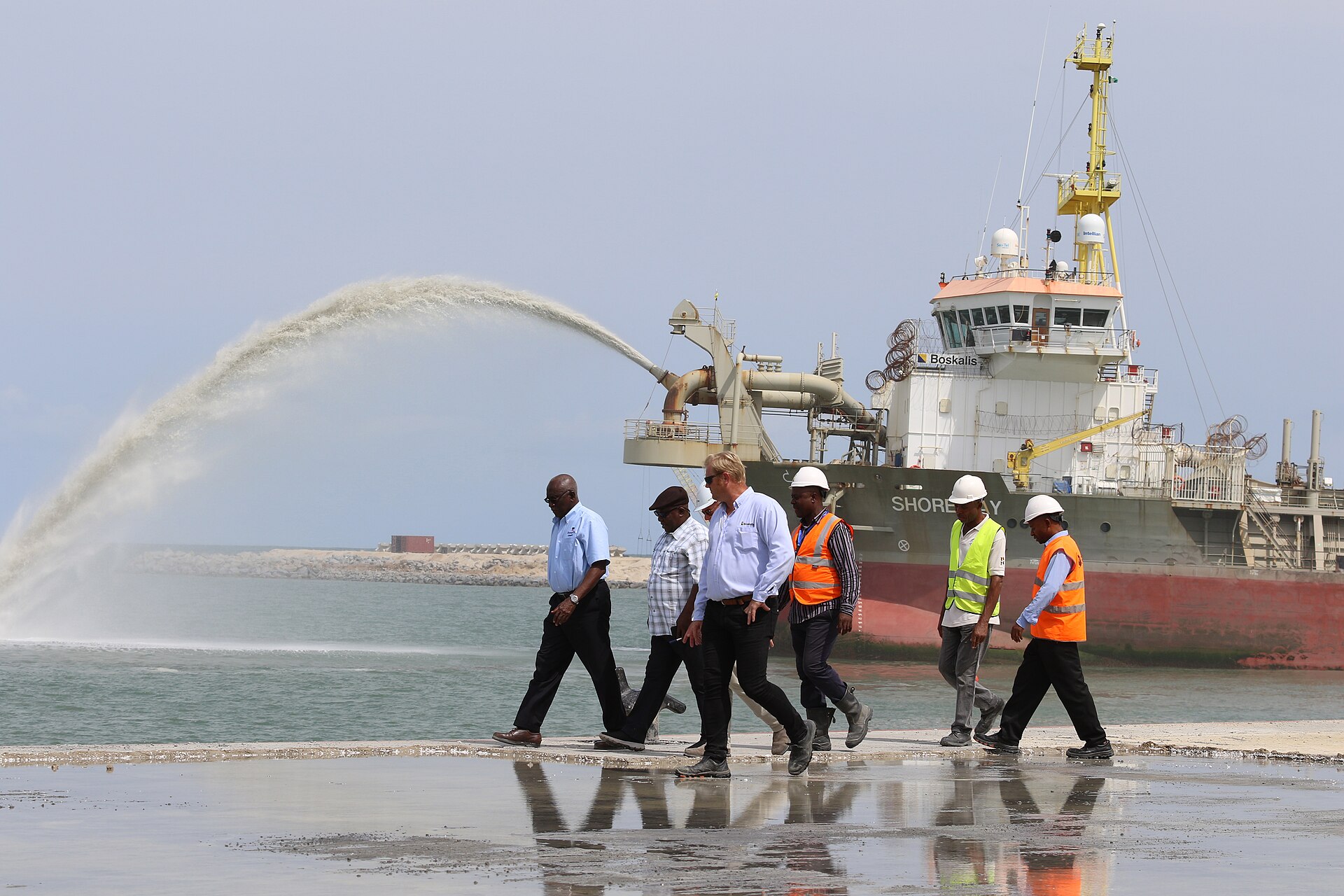
The Dangote Refinery IPO opens on a country that spent fifty years doing something odd. Nigeria pumped excellent crude, shipped it abroad, then bought refined petrol back at a premium.
Aliko Dangote spent roughly a decade and twenty billion dollars building the plant that ended it. Now the public can buy a small piece.
What Is Being Sold
The Dangote Refinery IPO opens on 14 September 2026 and is expected to close on 13 October. Shares should begin trading on the Nigerian Exchange in November.
The offer is 4.1 billion new ordinary shares at 525 naira each. That raises about 2.15 trillion naira, or roughly US$1.62bn at Monday’s rate of 1,326.52 naira to the dollar.
Reuters calls it Africa’s largest share sale yet, and on the measure of capital raised that holds. The closest historical rival is Maroc Telecom’s 2004 listing in Casablanca and Paris, which raised about US$1.05bn.
Safaricom’s 2008 Kenyan offer raised around US$800m and Airtel Africa’s 2019 London listing about US$750m. Note the qualifier though, because it does matter.
Some larger African companies have listed without raising money at all. MTN Nigeria came to market in 2019 by introduction, moving a great deal of paper and collecting no cash.
A Very Small Slice
The number that deserves more attention than it is getting is the size of the stake. Existing share capital is 120.13 billion shares.
So 4.1 billion new shares amount to 3.3% of the enlarged company. Earlier coverage of the planned listing had trailed something closer to 10%.
What that implies about value is striking. The pricing puts the refinery at about 63.07 trillion naira before the new money, roughly US$47.5bn, and 65.22 trillion after, about US$49.2bn.
Readers will see both US$47bn and US$49bn quoted, and neither is an error. One is the value before the raise and the other after it.
A small float can flatter a price. It also means very few shares will actually trade, which tends to make them volatile.
The Warning That Came First
There is an unusual prelude to this offer. In June 2026 Nigeria‘s Securities and Exchange Commission banned the marketing of a Dangote refinery share sale.
Its statement was blunt. No application for registration of a public offer had been filed with or approved by the commission.
Operators were ordered to stop publishing promotional material immediately, take it down within 24 hours, and refund any money collected. People were selling access to an offer that did not exist.
The regulator then approved the real thing in early September. That sequence is worth holding on to, because the same enthusiasm that produced the fake offer will now meet the genuine one.
What the Money Is Buying
The refinery sits at Lekki, outside Lagos, and was inaugurated in May 2023. It produced diesel and jet fuel from January 2024 and petrol from that September.
Nameplate capacity is 650,000 barrels a day, which makes it the largest single-train refinery ever built. Reuters reports it currently processes closer to 700,000, above its design.
The stated ambition is 1.4 million barrels a day, though sources differ on the timetable. Reuters says by 2029 and others say within five years.
Its strategic weight is hard to overstate. A country of more than 200 million people that no longer imports its own fuel has a different balance of payments.
What to Watch
One figure has not been reconciled. An over-allotment option of 15% would lift the maximum raise to about US$1.87bn, yet Reuters has cited roughly US$2.1bn including it.
Those two numbers do not fit together, and the prospectus will settle it. Anyone budgeting from the larger figure should wait.
The closing date of 13 October is well sourced to Reuters but has not yet appeared in a published prospectus. Prospective buyers should confirm it rather than assume.
For Nigerian retail investors this is the first chance to own a piece of the country’s most consequential industrial asset. For everyone else it is a rare public price tag on a private empire.
More: Africa news in English, every day from The Rio Times.
Frequently Asked Questions
When does the Dangote Refinery IPO open and close?
It opens on 14 September 2026 and is expected to close on 13 October, with trading on the Nigerian Exchange expected in November. The closing date is sourced to Reuters and has not yet appeared in a published prospectus.
How much is being raised?
4.1 billion new shares at 525 naira each, about 2.15 trillion naira or roughly US$1.62bn at 1,326.52 naira to the dollar.
What share of the company is on offer?
About 3.3% of the enlarged share capital. The pricing values the refinery at roughly US$47.5bn before the raise and US$49.2bn after it.
Is this really Africa’s biggest share sale?
On capital raised, yes. The nearest historical rival is Maroc Telecom’s 2004 listing at about US$1.05bn. Some larger African companies listed without raising money at all.
Why did the regulator ban marketing of the offer?
In June 2026 the Securities and Exchange Commission said no public offer had been registered or approved, and ordered operators to stop promoting one and refund money collected. Approval for the real offer came in September.
Sources: Nigerian Securities and Exchange Commission statements, Reuters, Bloomberg, TheCable, Nairametrics, Vanguard and Billionaires.Africa.
This article was produced by The Rio Times’ automated newsroom system. How we use AI · Report an error
LatAm Markets: Live Signals → — real-time movers, turnover leaders and FX across Latin America.
Read More from The Rio Times