In an assertive display of military might, China has ramped up its exercises around Taiwan under the operation name “United Sharp Sword.”
These maneuvers—China’s most significant in over a year—span the airspace and waters to Taiwan’s north, south, and east.
This escalation aligns with Lai Ching-te’s recent inauguration as Taiwan’s President, reflecting Beijing’s concerns over Taiwan’s independence and strong U.S. support.
The scale of the drills is vast, featuring aircraft carriers and long-range missiles.
It’s a clear message: China is ready to enforce its claims on Taiwan, responding to what it sees as provocations from recent U.S.-Taiwan interactions.
This muscle-flexing exercise is more than a routine exercise; it’s a strategic move aimed at influencing Taiwan’s political scene and deterring U.S. involvement.
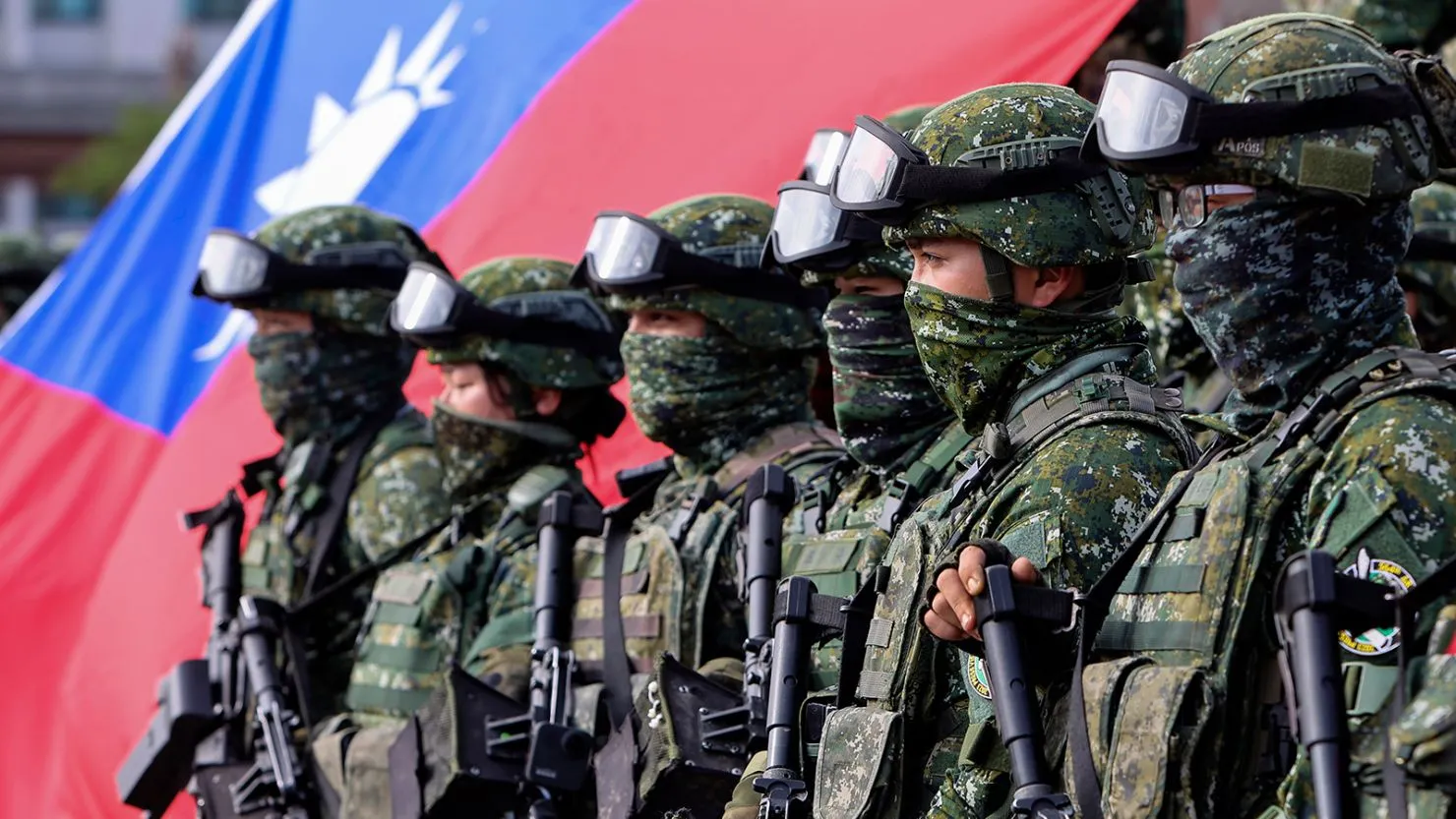
Taiwan, facing this immense pressure, has strengthened its defense readiness, mobilizing forces across all domains.
In addition, the Taiwanese Ministry of Defense has voiced strong objections, stating these drills threaten regional stability.
Navigating Cross-Strait Dynamics
U.S. officials continue to engage with Taiwan, reaffirming their support. The drills underscore the fragile and volatile nature of cross-strait relations.
This military and diplomatic dance brings the Asia-Pacific‘s geopolitical tensions into sharp focus, suggesting significant global security implications.
China’s strategic posturing through “United Sharp Sword” is not merely about showing off its military prowess.
It’s about shaping the political landscape and setting the stage for future interactions in this contentious region.
These developments call for keen international attention, as the outcome could influence global stability.
In short, this underscores the need for careful diplomatic negotiations to temper the escalating situation.
This article was produced by The Rio Times’ automated newsroom system. How we use AI · Report an error · Editorial responsibility: Matthias Camenzind, Editor-in-Chief