Chad Says Niger Orders Arab Minority Out
A herding people who arrived in Niger half a century ago now face a year-end deadline. Chad calls it an illegal mass expulsion, and Niger's government has not publicly answered.

CHAD AND NIGER
Chad’s government accused Niger on Tuesday 24 November 2026 of collectively expelling the Mahamid, an Arab community living in south-east Niger for about 50 years. Niger’s military authorities have ordered the group to leave the Diffa region by 31 December 2026.
Chad has begun receiving families at Daboua, a town in its western Lac province, where roughly a thousand arrivals have been counted. Stability in the Sahel, the arid belt south of the Sahara, bears on counter-terrorism and refugee flows.
Key Facts
- Who Chad’s government accuses Niger’s military authorities over the Mahamid Arab community.
- What Niger ordered the Mahamid to leave the Diffa region by 31 December 2026.
- Where Diffa, south-east Niger; arrivals at Daboua, Lac province, western Chad.
- When Chad made its accusation on 24 November 2026.
- As of 24 November 2026, 19:30 GMT.
A herding people who arrived in Niger half a century ago now face a year-end deadline. Chad calls it an illegal mass expulsion, and Niger’s government has not publicly answered.
The Mahamid are camel-herding Arabs who first came to Niger in the early 1970s, fleeing drought around Abéché, a town in eastern Chad. They were later joined by people escaping conflict in Chad and Sudan, and clashes with local farmers over pasture and water followed.
A peace accord signed in 2018 did not settle them. A radio message from Niger’s Interior Ministry, first reported in April 2026, told the governors of Diffa and Zinder, two regions in the south, to identify all the Mahamid and to carry out the “systematic” withdrawal of their Nigerien identity cards and passports.
The same message ordered their “repatriation to their country of origin” and measures to prevent their return, citing the “serious security consequences of the irregular settlement of the Mahamid”. Niger has been run by its military since the July 2023 coup, and it has published no decree and no count of those affected.
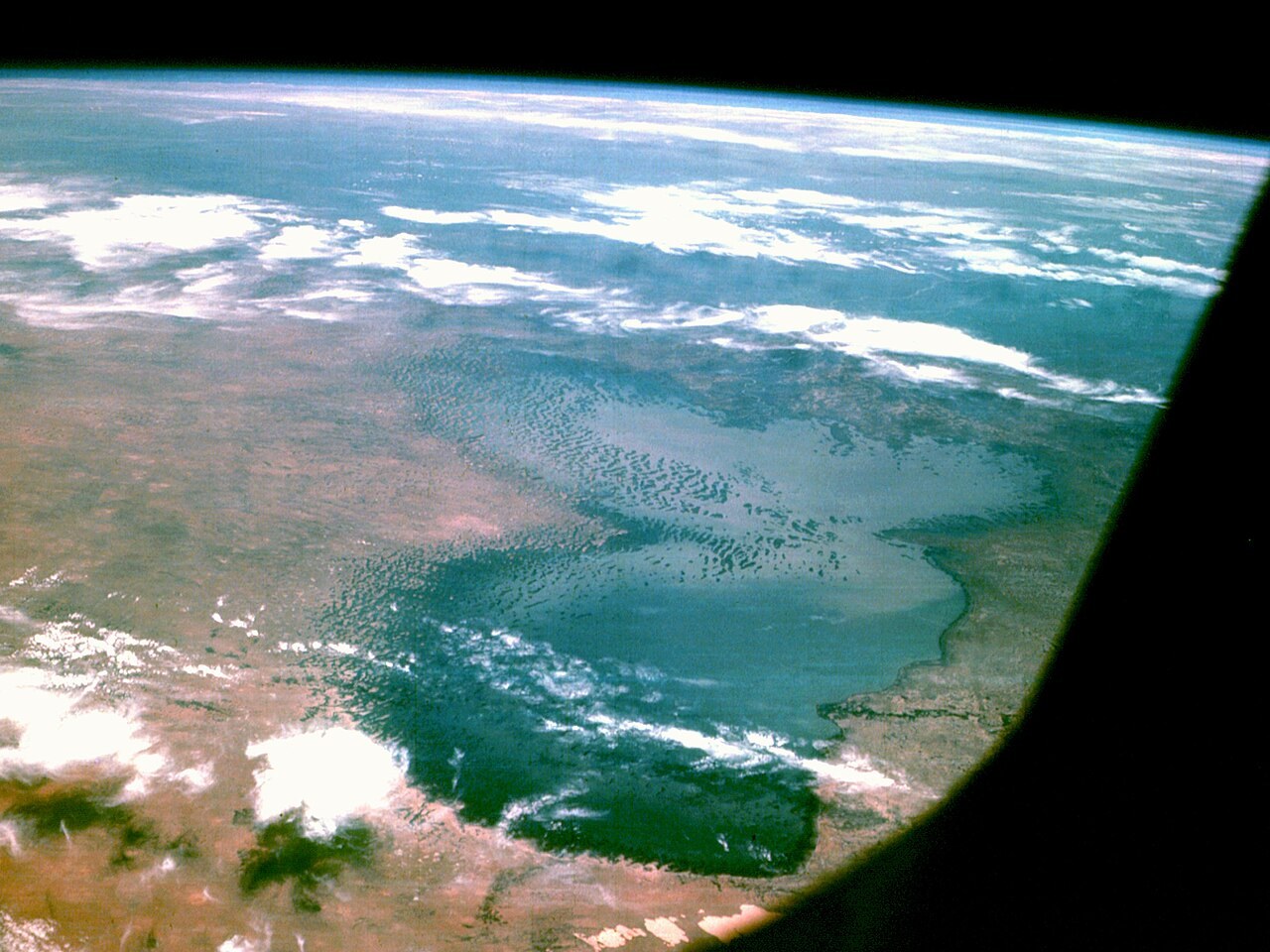
In August, Diffa governor General Mahamadou Ibrahim Bagadoma said that weapons seizures and intelligence gathered from 2023 to 2026 showed the “presumed involvement of some Mahamid” in supplying armed groups around Lake Chad with weapons, ammunition and logistics. Diffa has faced violence by the jihadist group Boko Haram for over ten years.
The governor also warned, at a meeting on 22 August, against holding the entire Arab community responsible for individual cases. No evidence against the community as a whole has been made public.
In October the authorities reportedly ordered the closure of schools and water points used mainly by the Mahamid. On 6 November the African Commission on Human and Peoples’ Rights, the African Union’s rights body based in Banjul, sent an urgent appeal, made public on 9 November and not a formal finding, to President Abdourahamane Tchiani over alleged violations of the Mahamid’s rights to water, education, health and documents.
A senior official of Niger’s Diffa region said on Sunday 15 November that the Mahamid must leave “no later than” the end of the year, in words translated from French. Diffa is Niger’s south-eastern region on the border with Chad and Nigeria, and the order reaches families who have lived there for decades.
Article 12(5) of the African Charter on Human and Peoples’ Rights bans mass expulsion of non-nationals. Chad’s government spokesperson and minister, Gassim Chérif Mahamat, said in a statement on 24 November that Niger’s collective expulsions break that duty.
He treats those expelled as Nigerien Arabs and warns of statelessness, meaning people left without any nationality. He rejects the security argument of Niger’s government in its capital, Niamey, saying individual faults cannot justify punishing a whole population.
The arrivals are housed at a reception site called Al-Djazira in Daboua, a town in Chad’s Lac province, where the first group arrived in mid-November. Chad’s spokesperson called the operation a deportation rather than an expulsion.
Arrivals at the Daboua site say they were born in Niger and hold official Nigerien documents, according to a Chadian news report. Niger has not publicly replied to those accounts.
A similar plan was announced in October 2006, when Niger said it would expel Arabs from the Diffa region, and it was suspended later that month after neighbouring states intervened. The 2026 order differs in that it comes with a fixed deadline and from a military government.
The cost falls on people whose identity papers are withdrawn, because without them they cannot prove where they belong, the mechanism behind Chad’s statelessness warning. No official count exists, and a figure of several thousand people affected remains unconfirmed.
Ties were already strained after Niger accused Chad of being behind a drone strike on 24 October 2026, which N’Djamena denies. Our explainer on Chad and the Sahel sets out the country’s wider role.
Niger has not publicly answered Chad’s accusation as of 24 November, and it has named no destination for those it orders out. The next dated step is the 31 December 2026 deadline set by Niger’s authorities, and no other date is confirmed.
Frequently Asked Questions
Who are the Mahamid?
They are a camel-herding Arab community that settled in south-east Niger decades ago after leaving Chad. Niger’s authorities call their settlement irregular, while many families have lived there for decades.
Is the expulsion illegal?
Chad says it breaks the African Charter’s ban on mass expulsion, and Niger has not publicly replied. The continental rights commission has so far sent only an appeal, not a finding.
What happens next?
The year-end deadline set by Niger’s authorities is the next date to watch. More people are already on the road to Chad.
Sources: Government of Chad, statement of 24 November 2026; Niger Interior Ministry radio message, April 2026; statements by the Diffa governor, August 2026; African Commission on Human and Peoples’ Rights, urgent appeal of 6 November 2026; Chad’s national commission for refugees and returnees.
This article was produced by The Rio Times’ automated AI newsroom. Editorial responsibility: Matthias Camenzind, Publisher and Editor-in-Chief. The Rio Times also runs Ask Rio Times, which answers from 100,000+ of our own articles, the daily Latin America Power Map, and prediction-market odds on elections and markets.. How we use AI · Report an error