Brazil Scientist Warns of Strongest El Niño in 100 Years

BRAZIL · CLIMATE
Key Facts
What happened: Brazilian scientist Carlos Nobre warned the coming El Niño could be the strongest in over a century.
How big it is: Forecasters expect sea-surface temperatures to exceed 2.9°C above normal in key regions.
What it means: Expect disrupted farming, hydropower, and fisheries across Latin America in coming months.
The catch: NOAA puts a 69% chance on the strongest El Nino since 1950, its records’ full reach.
Who it hits: Farmers, energy companies, and travelers in Brazil, Peru, and Central America face the biggest risks.
What comes next: Peru declared a state of emergency covering 893 districts across 22 regions on 1 September.
Runoff · Sunday, 25 October
Brazil Runoff 2026: Lula vs Flávio
Date, polls, debates, odds and how the runoff works, updated every day.
Brazil runoff polls · Polymarket and Kalshi odds · When results come · Brazil Election Data Room
Prediction markets · who wins the runoff
Implied chance of winning Brazil’s presidency on 25 October, from traders’ prices.
Polymarket
Flávio Bolsonaro 80.8% · Lula 19.5% (US$190 million traded)
Kalshi (regulated in the US by the CFTC)
Flávio Bolsonaro 82% · Lula 21%
As of 20 October, 9:00 pm ET (02:00 Lisbon), updated every 20 minutes. Prices are bets, not polls, and can move fast.
Why we show this: prediction markets turn real-money bets into a live probability that moves within minutes of the news, which is why investors, campaigns and newsrooms in the United States now follow them closely. We show them next to polls and official results, never instead of them.
A top Brazilian scientist says the coming El Niño could be the strongest in over a century. Here’s what official forecasters predict and what it means for the region.
Nobre’s warning
Brazilian scientist Carlos Nobre spoke at the Fourth Latin American Green Economy Forum in São Paulo on September 3. He said the El Niño now forming ‘promises to be the strongest in more than 100 years.’
Nobre holds the Chair in Climate and Sustainability at the University of São Paulo’s Institute of Advanced Studies. He is also a retired researcher at Brazil’s National Space Research Institute, INPE.
He urged state governments to fight illegal fires between now and January. He said organized crime has kept burning the Amazon even as deforestation rates fell.
What forecasters say
The World Meteorological Organization said in late July that a strong El Niño is developing. It expects the event to strengthen between August and October 2026.
Its models forecast sea-surface temperatures to exceed about 2.9°C above normal in key Pacific regions. That is a seasonal average, not a single-day reading.
Columbia University’s climate forecasting institute, IRI, calls it a ‘remarkably strong 2026 El Niño.’ Most models expect a very strong event from August 2026 to February 2027, peaking late this year.
At the peak, 25 of 26 models put this in the very strong band. Fifteen of them go past +3°C, beyond IRI’s top category.
The U.S. National Oceanic and Atmospheric Administration is known as NOAA. It puts the chance of a very strong event above 90% for late 2026 and early 2027.
No agency uses the phrase ‘strongest in 100 years.’ Their comparison records only go back to 1950.
NOAA goes furthest of the three. It gives a 69% chance that this event is the strongest since 1950.
How El Niño works
El Niño is a natural climate pattern marked by warmer-than-usual surface waters in the central and eastern Pacific Ocean. It shifts rainfall and temperature patterns around the globe.
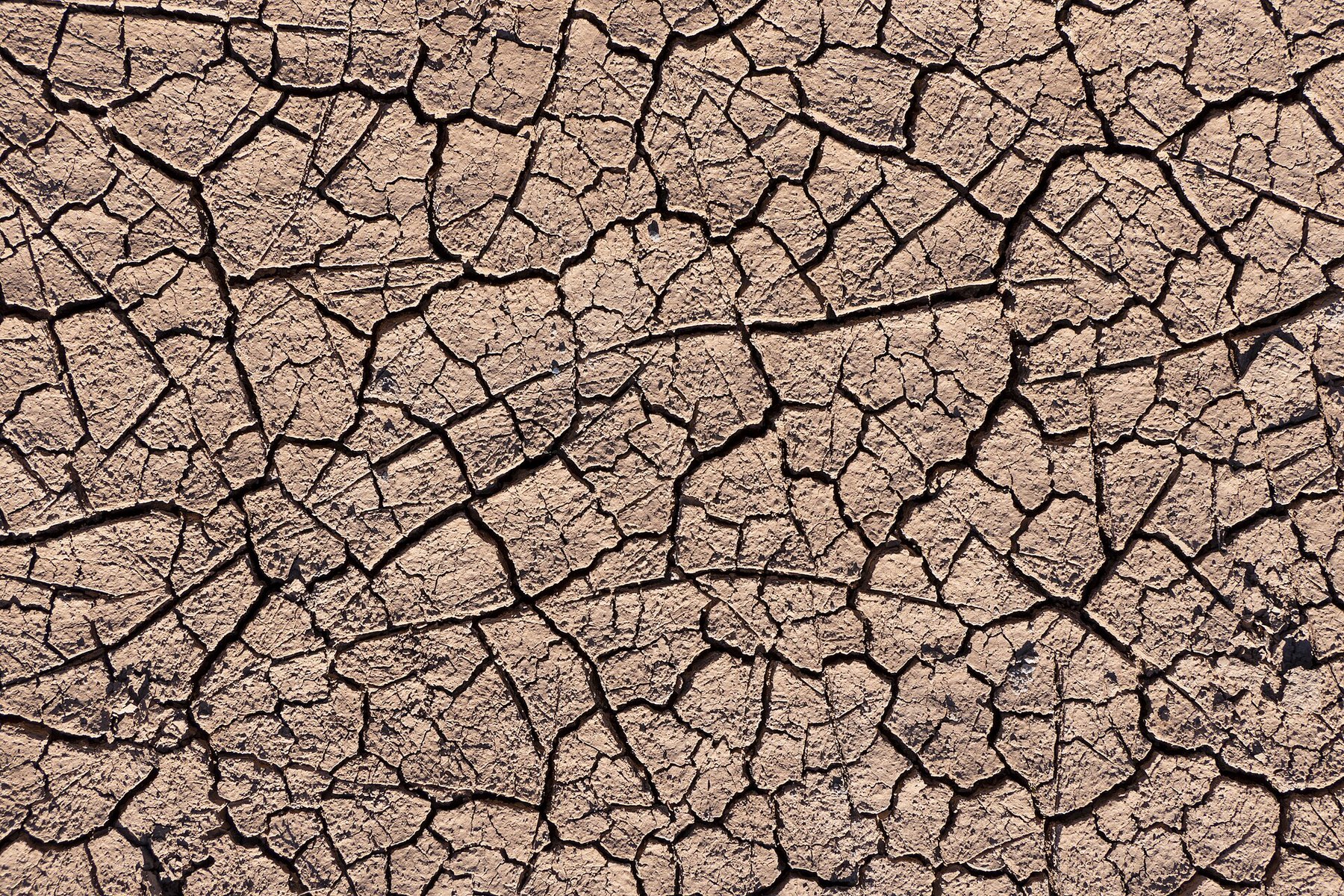
In Latin America, a strong El Niño usually means heavy rain and landslides in Peru and Ecuador. It also brings drought to the Amazon, to northeastern Brazil and to Central America.
These changes can disrupt agriculture, energy production, and daily life for millions. The current event is still building, with the worst impacts likely in late 2026 and early 2027.
Farming impacts
Brazil is the world’s largest exporter of soy, coffee, and sugar. A strong El Niño can bring drought to the north and excess rain to the south, both of which hurt yields.
In Argentina, El Niño often brings wetter conditions that can help or hurt wheat and corn, depending on timing. The exact impact for the 2026-27 season is not yet clear.
Peru’s anchovy fishery is the world’s biggest by volume. Catches fall sharply in El Niño years, because warmer water drives the fish away.
No specific 2026 crop or fishery projections are confirmed yet. But the 1997-98 and 2015-16 events both caused heavy farm losses across the region.
Energy and water
Hydropower is the main electricity source in Colombia, Ecuador, and Brazil. El Niño can bring drought, which lowers reservoir levels.
Governments then ration power or burn costlier fuel instead. Past El Niño years have drained reservoirs in both Colombia and Ecuador.
The Rio Times found no current rationing warnings from Colombia or Ecuador as of September 4. But the risk is real, and officials are watching closely.
The Panama Canal runs on rainwater, so drought can force it to cut ship traffic. No restrictions have been announced for this event.
Government responses
Peru declared a state of emergency in 893 districts on September 1. It covers 22 of the country’s regions plus Callao, the port district next to Lima.
The decree lasts 60 days and cites ‘imminent danger’ from the 2026-27 El Niño. It came after regional and local governments said they could not cope alone.
In February, Peru declared a 60-day emergency in 179 districts across 21 regions after heavy rains. Peru’s then interim president, José Jerí, signed that decree.
Other countries have not yet declared similar emergencies, but they may follow as the event strengthens. The WMO warns that extreme weather is likely to increase in the coming months.
What this means for you
If you live in or visit Latin America, expect odd weather. Look for heavy rain on the Pacific coast, drought in parts of Brazil, and heat in Central America.
These shifts can disrupt travel, from canceled flights to closed roads. They can also push up food and energy prices as crops fail and hydropower falters.
Coffee, soy, and fishmeal are particularly vulnerable, so world prices could swing. Businesses should review their supply chains and contingency plans.
The last two very strong El Niños both did serious damage, and this one could match them. Early action can reduce the worst impacts, but the next year will be challenging.
The bottom line
Carlos Nobre’s warning is a wake-up call, but it matches what official agencies are saying about severity. His century-scale framing goes beyond what they assert.
The full impacts will unfold over the next year, affecting millions of people and the global economy. Stay informed and prepared if you have ties to Latin America.
No one can predict exactly how bad it will get. But the evidence points to a serious event that demands attention from governments, businesses, and individuals alike.
More: Brazil news, every day from The Rio Times.
Frequently Asked Questions
What did Carlos Nobre say exactly?
Carlos Nobre said the El Niño now forming ‘promises to be the strongest in more than 100 years.’ That is the wording EFE reported from his speech in São Paulo.
How strong do forecasters expect this El Niño to be?
The WMO expects sea-surface temperatures to exceed 2.9°C above normal, which is very strong. NOAA gives a 69% chance of a historic event, and IRI calls it ‘remarkably strong.’
What are the main risks for Latin America?
Heavy rains and floods in Peru and Ecuador, drought in the Amazon and northeastern Brazil, and potential crop failures across the region. Hydropower and fisheries are also at risk.
Has any country declared an emergency?
Yes, Peru declared a state of emergency in 893 districts on September 1. Other countries may follow as the event develops.
How long will this El Niño last?
Forecasters expect it to peak in late 2026 and continue into early 2027. IRI sees little sign of El Niño fading before about March 2027.
Connected Coverage
We have also reported on Peru El Niño Emergency: 893 Districts in 22 Regions Now Under Formal Decree, and on Medellín Starts Water Rationing as El Niño Drains Reservoirs.
This article was produced by The Rio Times’ automated newsroom system. How we use AI · Report an error · Editorial responsibility: Matthias Camenzind, Editor-in-Chief