IBOV 204,302.33 ▼ 0.74% IPSA 10,999.64 ▼ 1.47% IPC MEX 64,460.91 ▼ 1.30% MERVAL 2,824,123 ▼ 2.51% COLCAP 2,534.92 ▼ 2.09% BVL PERÚ 60,766.81 ▼ 1.71% USD/BRL5.02▲ 0.80% USD/MXN17.98▲ 0.01% USD/CLP978.61▲ 0.60% USD/COP3,239▲ 0.97% USD/PEN3.44▼ 0.25% USD/ARS1,517▼ 0.24% USD/UYU40.09▲ 2.39% USD/PYG5,835▲ 3.05% USD/BOB11.87▲ 2.15% USD/DOP60.85▲ 4.66% USD/CRC453.46▲ 2.32% USD/GTQ7.64▲ 3.39% USD/HNL26.86▲ 0.86% USD/NIO36.62▲ 0.26% USD/VES871.68▼ 0.13% USD/PAB1.00— 0.00% USD/BZD2.00— 0.00% USD/JMD 157.28 — 0.00% USD/TTD6.70▲ 2.23% EUR/BRL5.63▲ 0.36% BRENT 88.88 ▼ 0.03% WTI 83.11 ▼ 0.11% IRON ORE 161.91 — — COPPER 6.61 ▲ 0.03% GOLD 4,461 ▲ 1.78% SILVER 65.59 ▲ 1.26% SOY 1,184 ▲ 3.20% CORN 480.50 ▲ 10.02% WHEAT 655.00 ▲ 3.93% COFFEE 317.25 ▼ 5.51% SUGAR 16.43 ▼ 1.79% ORANGE JUICE 138.55 ▼ 0.47% COTTON 85.03 ▲ 2.33% COCOA 5,719 ▲ 3.18% BEEF 223.60 ▼ 3.93% CATTLE 339.10 ▼ 3.16% LITHIUM 75.20 ▲ 1.47% PETR4 41.64 ▼ 0.05% VALE3 72.97 ▲ 0.83% ITUB4 38.60 ▼ 1.03% BBDC4 16.85 ▲ 0.36% ABEV3 14.89 ▼ 0.80% BBAS3 19.37 ▲ 0.47% B3SA3 14.26 ▼ 0.21% WEGE3 47.59 ▲ 0.49% PRIO3 59.14 ▼ 0.19% SUZB3 41.33 ▲ 2.35% RENT3 34.68 ▼ 0.09% AZZA3 15.89 ▼ 2.63% CSAN3 3.22 ▼ 1.83% RAIZ4 0.25 — 0.00% PCAR3 2.75 ▼ 0.36% GMAT3 3.65 ▼ 1.08% PSSA3 48.13 ▼ 0.54% CVCB3 1.33 ▼ 2.92% POSI3 3.36 ▲ 2.44% SLCE3 13.34 ▲ 0.30% NATU3 8.14 ▼ 0.73% IBOV 204,302.33 ▼ 0.74% IPSA 10,999.64 ▼ 1.47% IPC MEX 64,460.91 ▼ 1.30% MERVAL 2,824,123 ▼ 2.51% COLCAP 2,534.92 ▼ 2.09% BVL PERÚ 60,766.81 ▼ 1.71% USD/BRL 5.16 ▲ 0.01% USD/MXN 17.06 ▼ 0.24% USD/CLP 913.98 ▲ 0.04% USD/COP 3,140 ▲ 0.03% USD/PEN 3.36 ▼ 0.66% USD/ARS 1,493 ▲ 0.10% USD/UYU 40.27 ▲ 1.24% USD/PYG 5,939 ▲ 1.68% USD/BOB 11.64 ▼ 0.76% USD/DOP 58.34 ▲ 1.25% USD/CRC 445.92 ▲ 0.89% USD/GTQ 7.62 ▲ 2.21% USD/HNL 26.79 ▲ 1.57% USD/NIO 36.62 ▲ 0.69% USD/VES 762.44 ▼ 0.13% USD/PAB 1.00 — 0.00% USD/BZD 2.00 — 0.00% USD/JMD 157.28 — 0.00% USD/TTD 6.70 ▲ 0.61% EUR/BRL 5.95 ▲ 1.01% BRENT 88.88 ▼ 0.03% WTI 83.11 ▼ 0.11% IRON ORE 161.91 — — COPPER 6.61 ▲ 0.03% GOLD 4,461 ▲ 1.78% SILVER 65.59 ▲ 1.26% SOY 1,184 ▲ 3.20% CORN 480.50 ▲ 10.02% WHEAT 655.00 ▲ 3.93% COFFEE 317.25 ▼ 5.51% SUGAR 16.43 ▼ 1.79% ORANGE JUICE 138.55 ▼ 0.47% COTTON 85.03 ▲ 2.33% COCOA 5,719 ▲ 3.18% BEEF 223.60 ▼ 3.93% CATTLE 339.10 ▼ 3.16% LITHIUM 75.20 ▲ 1.47% PETR4 41.64 ▼ 0.05% VALE3 72.97 ▲ 0.83% ITUB4 38.60 ▼ 1.03% BBDC4 16.85 ▲ 0.36% ABEV3 14.89 ▼ 0.80% BBAS3 19.37 ▲ 0.47% B3SA3 14.26 ▼ 0.21% WEGE3 47.59 ▲ 0.49% PRIO3 59.14 ▼ 0.19% SUZB3 41.33 ▲ 2.35% RENT3 34.68 ▼ 0.09% AZZA3 15.89 ▼ 2.63% CSAN3 3.22 ▼ 1.83% RAIZ4 0.25 — 0.00% PCAR3 2.75 ▼ 0.36% GMAT3 3.65 ▼ 1.08% PSSA3 48.13 ▼ 0.54% CVCB3 1.33 ▼ 2.92% POSI3 3.36 ▲ 2.44% SLCE3 13.34 ▲ 0.30% NATU3 8.14 ▼ 0.73%
since 2009
Thursday, October 8, 2026

Analysis Defense Monitor

Many in Western Countries Are not Prepared to Defend Their Nation

By · March 30, 2024 · 2 min read

(Analysis) Western nations are grappling with a pressing issue: a steep decline in military recruitment and retention, which threatens their defense capabilities and democratic integrity.

The common belief that wars are relics of the past, coupled with a lack of readiness to make sacrifices, has led to fewer people joining the armed forces.

This worrying trend could compromise the operational effectiveness of military forces and weaken democratic states’ defensive postures, particularly in volatile regions like Ukraine, the Middle East, and Taiwan.

The Challenge of Recruitment

Today, the military faces significant hurdles in attracting young recruits, starkly contrasting to previous generations.

This gap between the need for qualified and committed personnel and the pool of applicants endangers military readiness.
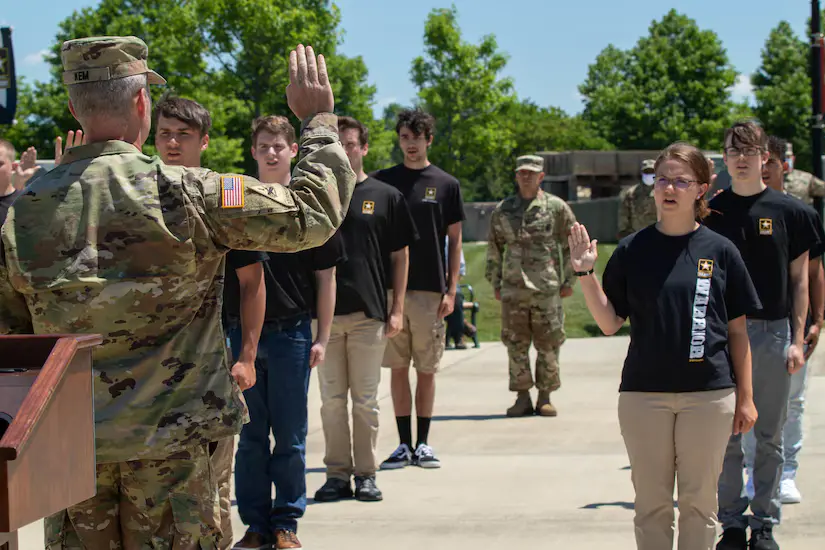
Call to Arms: Addressing the Western World's Military Shortfall.
Many in Western Countries Are not Prepared to Defend Their Nation.
RT
Ask Rio Times
17 years of Latin America reporting, on demand.
Open the full Ask Rio Times →

In Spain, for example, the armed forces have experienced a 10% personnel drop over the last decade, with the ratio of candidates to vacancies plummeting from 20 in 2015 to just 5 in 2020.

The LatAm Brief

One email, every weekday morning. What moved in Latin American markets, politics and expat life.

Yesterday’s subject line: “Mexico sells record US$60.6bn to the US in August”

Free. We send a confirmation link first — nothing arrives until you click it. Unsubscribe with one click in any edition. If you stop opening us for 30 days we stop sending by ourselves, as we assume the interest is no longer there. See our privacy policy. We never share your email.

The United States faces a similar challenge, with only 9% of young people showing interest in military service in 2022 and 71% failing to meet basic physical standards, mainly due to weight-related issues.

In contrast, nations like China and Russia do not encounter these recruitment obstacles. China’s mandatory military service ensures a surplus of volunteers, while Russia consistently drafts 300,000 soldiers yearly.

Implications of Non-action

Failing to address this recruitment crisis threatens to undermine the deterrence capability of democracies at a critical moment for global stability.

The sharp reduction in combat-ready groups in several Western countries from 1990 to 2020 highlights the erosion of military strength.

A significant factor behind this crisis is a societal shift: many in Western countries are not prepared to defend their nation.

This reluctance is rooted in a lack of awareness about defense, societal divisions, demographic trends, and diminishing trust in institutions.

Notably, demographic shifts point towards a dwindling pool of eligible recruits, with projections showing a marked decrease in the coming years.

Possible Solutions

To counteract this trend, governments might need to enhance national defense awareness or reconsider conscription.

Past mobilization efforts during the world wars, involving extensive public outreach, offer a model.

However, the reintroduction of mandatory service faces hurdles, including societal opposition and a high rate of physical ineligibility among potential recruits.

A cohesive society that supports and participates in defense initiatives is essential for sustaining a potent military.

Cultivating a culture of defense readiness and national solidarity requires careful planning and promotion, ensuring a secure future for democratic values and institutions.

This article was produced by The Rio Times’ automated newsroom system. How we use AI · Report an error · Editorial responsibility: Matthias Camenzind, Editor-in-Chief

Read More from The Rio Times

The Rio Times · Power Map
See who really holds power in Latin America
Click to open the Power Map →

Rotate for Best Experience

This report is optimized for landscape viewing. Rotate your phone for the full experience.