Bridging the Divide: Chile and Argentina’s Naval Cooperation in the Beagle Channel
The icy waters of the Beagle Channel, once a source of tension between Chile and Argentina, now serve as a stage for collaboration. In November 2024, the navies of these South American neighbors launched their 24th annual Viekaren exercise, showcasing a remarkable turnaround in bilateral relations.
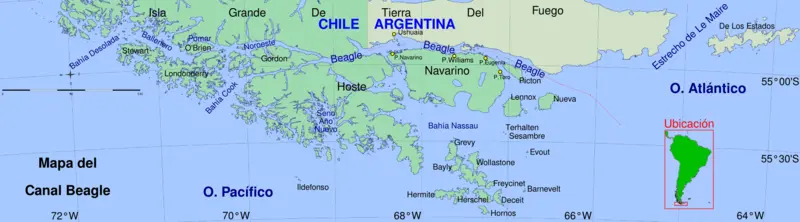
This joint operation stems from a complex history. For decades, Chile and Argentina disputed the ownership of islands in the Beagle Channel. The conflict nearly erupted into war in 1978, with both nations mobilizing troops. However, diplomatic efforts prevailed, culminating in the 1984 Treaty of Peace and Friendship.
Today, Viekaren symbolizes the fruits of that treaty. The exercise brings together an impressive array of naval assets from both countries. Chile deploys patrol vessels and general service launches, while Argentina contributes an oceanic patrol vessel, a fast boat, and patrol boats.
The significance of this cooperation extends beyond military drills. It demonstrates how former rivals can become partners in maintaining regional stability. The Beagle Channel, a vital maritime route, benefits from the combined efforts of both navies in ensuring safe passage and environmental protection.
Bridging the Divide: Chile and Argentina’s Naval Cooperation in the Beagle Channel
Viekaren’s objectives reflect modern maritime challenges. The navies focus on enhancing interoperability, conducting search and rescue operations, and responding to potential environmental emergencies. These skills prove crucial in a region known for its harsh weather and increasing maritime traffic.
The exercise also serves as a platform for cultural exchange. Chilean and Argentine naval personnel work side by side, fostering understanding and camaraderie. This human element plays a vital role in sustaining long-term cooperation between the two nations.
While Chile and Argentina maintain a healthy rivalry in other areas, such as sports, their naval cooperation sets a positive example for the region. It shows how shared interests in maritime security and environmental protection can overcome historical differences.
This article was produced by The Rio Times’ automated newsroom system. How we use AI · Report an error · Editorial responsibility: Matthias Camenzind, Editor-in-Chief
Read More from The Rio Times