How the EU’s Defense Surge Prepares for a Trump Presidency
The European Union (EU) is set to reallocate up to €392 billion from its budget to strengthen defense and security.
This move responds to Russia’s invasion of Ukraine and the uncertainty surrounding U.S. foreign policy, especially with Donald Trump potentially returning to the presidency.
This shift in funding allows the EU to use cohesion funds—designed to help economically weaker member states—to support the defense industry.
These funds can now back dual-use technologies, like drones, and improve military mobility. However, direct purchases of weapons remain off-limits.
The urgency for this change stems from heightened security concerns across Europe. Since Russia’s aggression began in February 2022, many EU nations have significantly boosted their defense budgets.
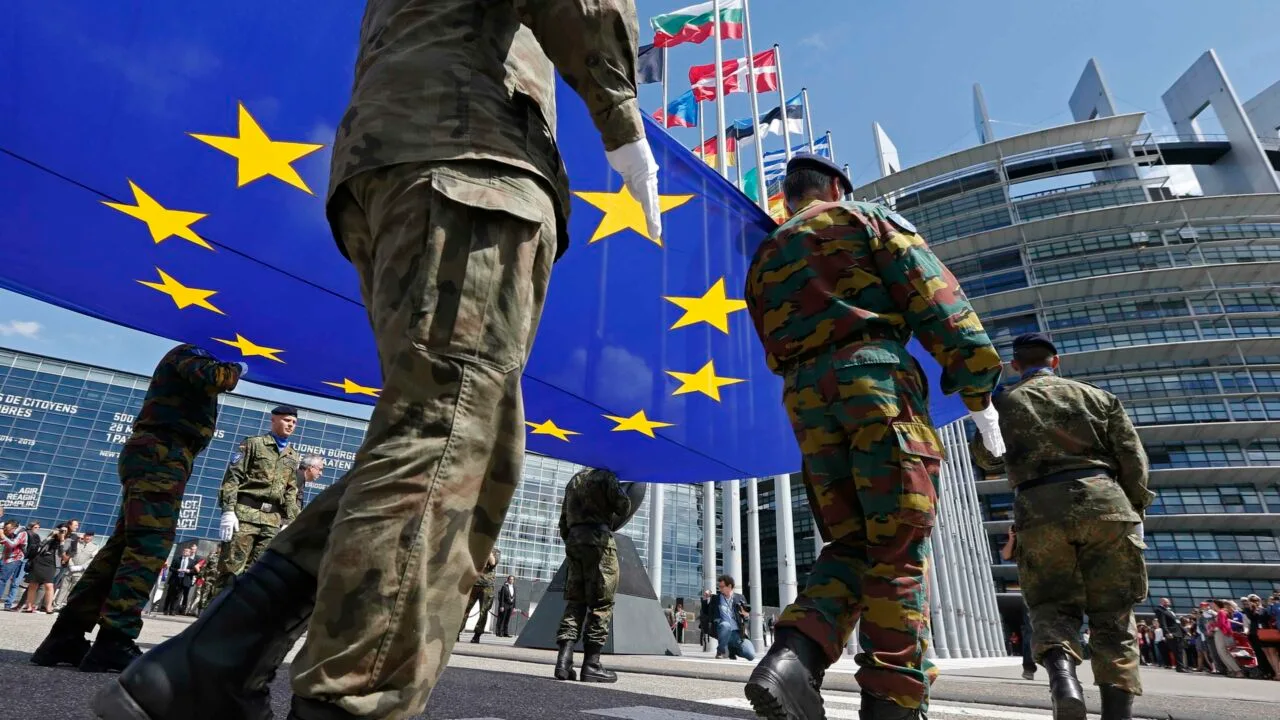
The EU is now looking for ways to complement these national efforts with collective action. In the wake of the invasion, the EU initiated a joint purchase of ammunition for Ukraine, totaling €500 million.
This was a groundbreaking step for the EU in procuring lethal weapons. To date, the EU has mobilized around €11.1 billion in support for Ukraine.
European Defense and Infrastructure Funding
The European Peace Facility, established in 2021, plays a key role in this funding strategy. It allows for greater flexibility in using funds outside regular budget constraints.
Additionally, the European Investment Bank (EIB) has changed its lending policies to support military-related projects more effectively. Now, the EIB offers favorable loans and technical assistance to companies involved in defense innovation.
It has dropped a previous requirement that over half of project revenues come from civilian uses, opening the door for more funding in military technologies.
Germany’s role is particularly significant due to its strategic position in Europe. However, it faces a pressing need for infrastructure upgrades, estimated at around €165 billion.
Germany is expected to receive €39 billion from cohesion funds through 2027 to address these needs. Poland is also stepping up its defense spending dramatically.
The Polish government plans to allocate 4.7% of its GDP to defense by 2025, up from 4.2% this year. This positions Poland as a leader within NATO and underscores its commitment to enhancing military capabilities amid regional tensions.
While these developments are crucial for security, they raise concerns about diverting attention and resources from other important areas like green energy and digital infrastructure.
Some regional governments fear that increased defense spending could undermine local development efforts. The EU’s strategy marks a significant shift towards collective defense spending, reflecting an urgent need for security in an increasingly volatile world.
As member states adapt to these changes, they must find a balance between immediate defense needs and long-term economic and environmental goals.
Understanding this shift is vital; it shapes not only Europe’s security landscape but also its economic future and global standing.
This article was produced by The Rio Times’ automated newsroom system. How we use AI · Report an error · Editorial responsibility: Matthias Camenzind, Editor-in-Chief
Read More from The Rio Times