BRICS Expansion: Ten New Nations Join, Reshaping Global Economic Alliances
The BRICS group, a coalition of emerging economies, has finalized its expansion plans. Meeting in Kazan, Russia, the current members have selected ten new countries to join their ranks.
In addition, this decision marks a significant shift in the global economic landscape. Cuba and Bolivia have received invitations to join BRICS.
However, Venezuela and Nicaragua, both facing political turmoil, were notably absent from the list. This exclusion reflects recent tensions between these nations and Brazil’s government.
The full list of new invitees includes Indonesia, Malaysia, Uzbekistan, Kazakhstan, Thailand, Nigeria, Uganda, Turkey, and Belarus. This diverse group spans multiple continents, enhancing BRICS’ global reach and influence.
Brazilian diplomats successfully negotiated the inclusion of a key point in discussions. They secured a mention of reforming the UN Security Council, a long-standing goal of both Brazilian and Indian foreign policy.
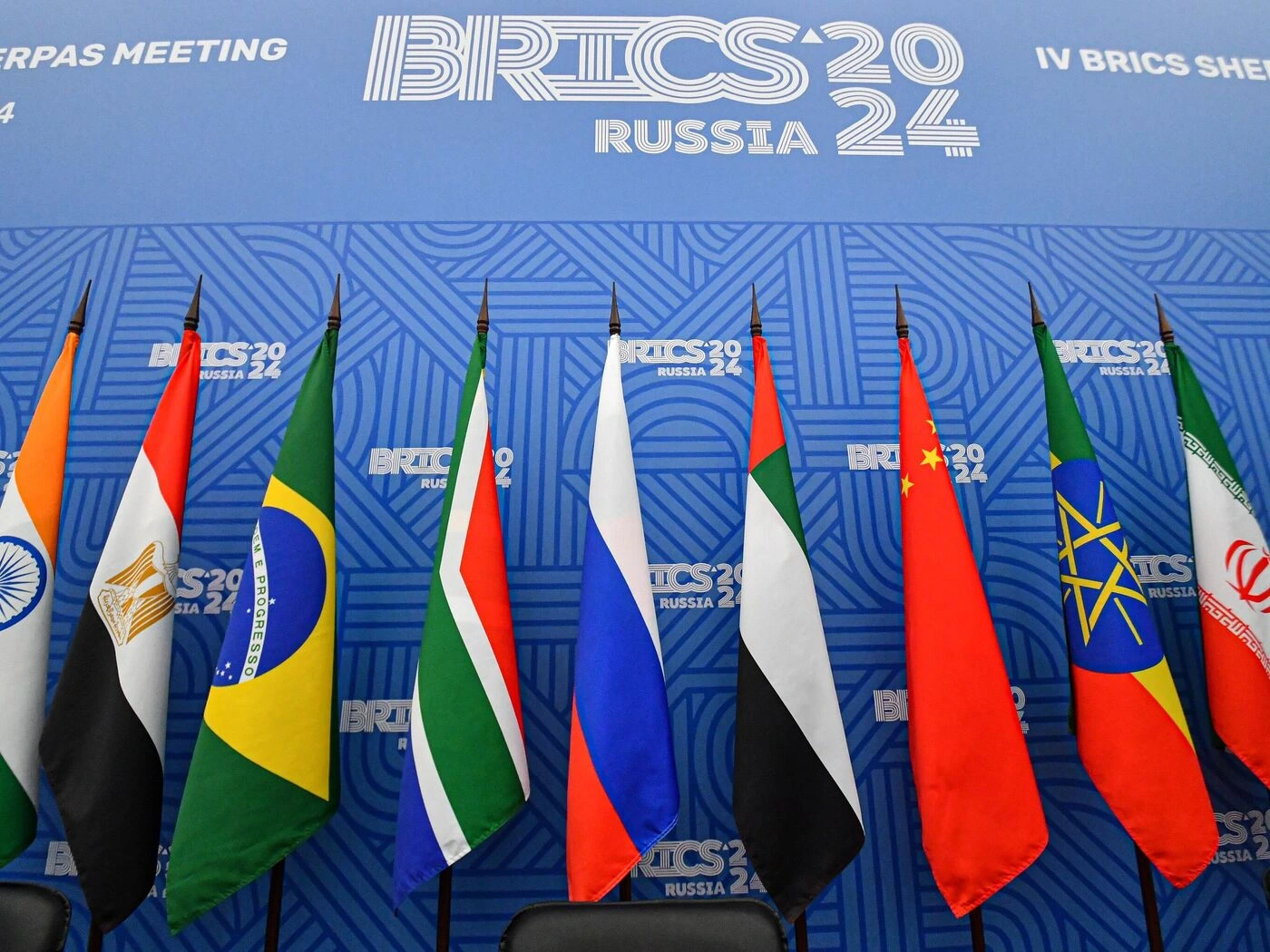
The expansion comes at a time of changing relationships within the group. Brazil’s President Lula has distanced himself from former allies in Nicaragua and Venezuela.
Diplomatic Strains and BRICS Dynamics
This shift follows diplomatic incidents and concerns over democratic processes in these countries. In Nicaragua, tensions rose after Brazil attempted to intervene on behalf of persecuted Catholic clergy.
This led to the expulsion of the Brazilian ambassador from Managua in August. The move strained the once-close relationship between Lula and Daniel Ortega.
Similarly, Brazil’s ties with Venezuela have weakened. The Brazilian government has not recognized Maduro’s self-declared victory in the recent election.
This stance has led to accusations from Maduro’s allies, claiming Lula is working for U.S. interests. These developments highlight the complex dynamics within BRICS.
As the group expands, it must navigate diverse political landscapes and shifting alliances. The inclusion of new members may reshape the balance of power within the organization.
The BRICS expansion reflects broader changes in the global economic order. It signals a growing influence of emerging economies on the world stage.
In short, as these nations unite, they seek to challenge traditional power structures in international finance and politics.
More: Nigeria news in English, every day from The Rio Times.
This article was drafted with automated assistance and reviewed before publication. How we use AI · Report an error · Editorial responsibility: Matthias Camenzind, Editor-in-Chief
Great Powers in Africa
- Who Backs Whom in Africa 2026: China, Russia, US, Gulf
- Africa: The New Scramble
- DP World and AD Ports Drive Gulf States Africa Investment as Saudi Deals Follow
- China Slashes Africa Lending 46% as Kenya and Angola Race to Refinance Old Debts