IBOV 205,526.47 ▼ 0.47% IPSA 10,912.39 ▼ 0.49% IPC MEX 66,790.35 ▼ 0.26% MERVAL 2,857,176 ▲ 0.75% COLCAP 2,591.39 ▲ 0.35% BVL PERÚ 59,543.73 ▲ 0.54% USD/BRL5.09▲ 1.17% USD/MXN18.43▼ 0.39% USD/CLP980.00▼ 0.51% USD/COP3,167▼ 0.67% USD/PEN3.44▲ 0.21% USD/ARS1,513▼ 0.05% USD/UYU40.24▲ 3.34% USD/PYG5,668▲ 2.52% USD/BOB11.60▲ 1.74% USD/DOP61.01▼ 0.20% USD/CRC449.12▲ 1.86% USD/GTQ7.64▲ 3.19% USD/HNL26.86▲ 0.35% USD/NIO36.62▼ 0.07% USD/VES876.92▼ 0.13% USD/PAB1.00— 0.00% USD/BZD2.00— 0.00% USD/JMD 157.28 — 0.00% USD/TTD6.75▲ 2.44% EUR/BRL5.71▲ 1.38% BRENT 88.88 ▼ 0.03% WTI 83.11 ▼ 0.11% IRON ORE 161.91 — — COPPER 6.61 ▲ 0.03% GOLD 4,461 ▲ 1.78% SILVER 65.59 ▲ 1.26% SOY 1,184 ▲ 3.20% CORN 480.50 ▲ 10.02% WHEAT 655.00 ▲ 3.93% COFFEE 317.25 ▼ 5.51% SUGAR 16.43 ▼ 1.79% ORANGE JUICE 138.55 ▼ 0.47% COTTON 85.03 ▲ 2.33% COCOA 5,719 ▲ 3.18% BEEF 223.60 ▼ 3.93% CATTLE 339.10 ▼ 3.16% LITHIUM 75.20 ▲ 1.47% PETR4 41.64 ▼ 0.05% VALE3 72.97 ▲ 0.83% ITUB4 38.60 ▼ 1.03% BBDC4 16.85 ▲ 0.36% ABEV3 14.89 ▼ 0.80% BBAS3 19.37 ▲ 0.47% B3SA3 14.26 ▼ 0.21% WEGE3 47.59 ▲ 0.49% PRIO3 59.14 ▼ 0.19% SUZB3 41.33 ▲ 2.35% RENT3 34.68 ▼ 0.09% AZZA3 15.89 ▼ 2.63% CSAN3 3.22 ▼ 1.83% RAIZ4 0.25 — 0.00% PCAR3 2.75 ▼ 0.36% GMAT3 3.65 ▼ 1.08% PSSA3 48.13 ▼ 0.54% CVCB3 1.33 ▼ 2.92% POSI3 3.36 ▲ 2.44% SLCE3 13.34 ▲ 0.30% NATU3 8.14 ▼ 0.73% IBOV 205,526.47 ▼ 0.47% IPSA 10,912.39 ▼ 0.49% IPC MEX 66,790.35 ▼ 0.26% MERVAL 2,857,176 ▲ 0.75% COLCAP 2,591.39 ▲ 0.35% BVL PERÚ 59,543.73 ▲ 0.54% USD/BRL 5.16 ▲ 0.01% USD/MXN 17.06 ▼ 0.24% USD/CLP 913.98 ▲ 0.04% USD/COP 3,140 ▲ 0.03% USD/PEN 3.36 ▼ 0.66% USD/ARS 1,493 ▲ 0.10% USD/UYU 40.27 ▲ 1.24% USD/PYG 5,939 ▲ 1.68% USD/BOB 11.64 ▼ 0.76% USD/DOP 58.34 ▲ 1.25% USD/CRC 445.92 ▲ 0.89% USD/GTQ 7.62 ▲ 2.21% USD/HNL 26.79 ▲ 1.57% USD/NIO 36.62 ▲ 0.69% USD/VES 762.44 ▼ 0.13% USD/PAB 1.00 — 0.00% USD/BZD 2.00 — 0.00% USD/JMD 157.28 — 0.00% USD/TTD 6.70 ▲ 0.61% EUR/BRL 5.95 ▲ 1.01% BRENT 88.88 ▼ 0.03% WTI 83.11 ▼ 0.11% IRON ORE 161.91 — — COPPER 6.61 ▲ 0.03% GOLD 4,461 ▲ 1.78% SILVER 65.59 ▲ 1.26% SOY 1,184 ▲ 3.20% CORN 480.50 ▲ 10.02% WHEAT 655.00 ▲ 3.93% COFFEE 317.25 ▼ 5.51% SUGAR 16.43 ▼ 1.79% ORANGE JUICE 138.55 ▼ 0.47% COTTON 85.03 ▲ 2.33% COCOA 5,719 ▲ 3.18% BEEF 223.60 ▼ 3.93% CATTLE 339.10 ▼ 3.16% LITHIUM 75.20 ▲ 1.47% PETR4 41.64 ▼ 0.05% VALE3 72.97 ▲ 0.83% ITUB4 38.60 ▼ 1.03% BBDC4 16.85 ▲ 0.36% ABEV3 14.89 ▼ 0.80% BBAS3 19.37 ▲ 0.47% B3SA3 14.26 ▼ 0.21% WEGE3 47.59 ▲ 0.49% PRIO3 59.14 ▼ 0.19% SUZB3 41.33 ▲ 2.35% RENT3 34.68 ▼ 0.09% AZZA3 15.89 ▼ 2.63% CSAN3 3.22 ▼ 1.83% RAIZ4 0.25 — 0.00% PCAR3 2.75 ▼ 0.36% GMAT3 3.65 ▼ 1.08% PSSA3 48.13 ▼ 0.54% CVCB3 1.33 ▼ 2.92% POSI3 3.36 ▲ 2.44% SLCE3 13.34 ▲ 0.30% NATU3 8.14 ▼ 0.73%
since 2009
Thursday, October 15, 2026

Analysis Crypto

The Golden Signal: Nations Seek Alternatives to Dollar Hegemony

By · October 22, 2024 · 3 min read

(Analysis) The price of gold has shown remarkable behavior in recent months. The precious metal has reached new records, surpassing $2,700 per troy ounce.

This steady rise draws attention due to its resilience against factors that typically affect its value. Traditionally, gold reacts to changes in interest rates, inflation, and dollar value.

However, its recent trajectory seems to defy these usual correlations. The metal maintained its ascent even with significant variations in these economic indicators.

An intriguing aspect is the linearity of gold’s price increase. Small dips only served to attract more buyers, driving new highs. This pattern persisted despite fluctuations in interest rate projections and U.S. government bond yields.

Gold’s appreciation cannot be explained simply as part of a general market uptrend. Although the S&P 500 index rose about 35% in the same period, the correlation between gold and stocks is uncommon.
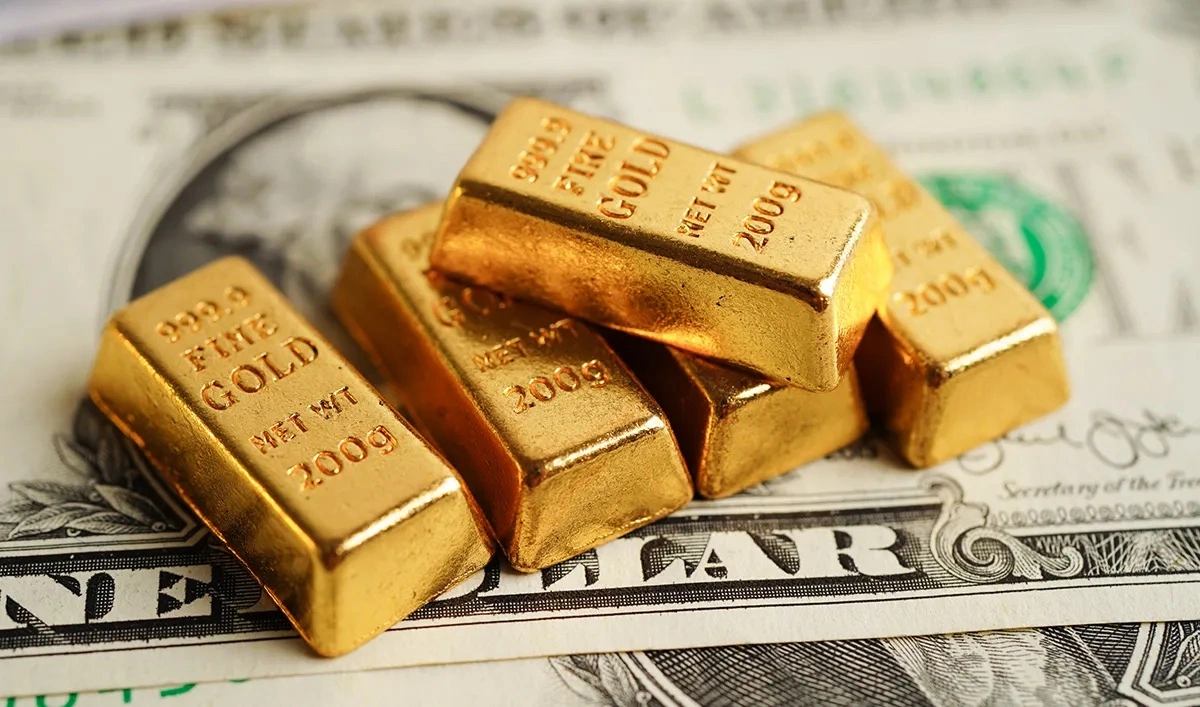
The Golden Signal: Nations Seek Alternatives to Dollar Hegemony
The Golden Signal: Nations Seek Alternatives to Dollar Hegemony.
RT
Ask Rio Times
17 years of Latin America reporting, on demand.
Open the full Ask Rio Times →

Current geopolitical conflicts certainly contribute to interest in gold as a safe haven. However, the consistency of the rise suggests other factors are at play.

The LatAm Brief

One email, every weekday morning. What moved in Latin American markets, politics and expat life.

Yesterday’s subject line: “US lifts sanctions on Venezuela's Jorge Rodríguez”

Free. We send a confirmation link first — nothing arrives until you click it. Unsubscribe with one click in any edition. If you stop opening us for 30 days we stop sending by ourselves, as we assume the interest is no longer there. See our privacy policy. We never share your email.

A crucial element in this equation is the consistent demand from foreign central banks. Many countries seek to diversify their reserves, reducing dependence on the U.S. dollar.

This trend reflects a loss of confidence in American management of the world economic order. The use of financial sanctions by the U.S. has encouraged the search for alternatives to the dollar-based system.

Russia’s ability to maintain its foreign trade, despite sanctions, also influences this dynamic. The country developed alternative payment systems, although inefficient, that allows bypassing the dollar in some international transactions.

Shifting Global Dynamics

The U.S. stance in conflicts such as the Middle East also affects its global credibility. Many countries question American consistency in defending human rights and international law.

These gradual changes in the global financial system do not mean the immediate end of dollar dominance. No other currency is ready to assume its central role.

However, the emergence of alternative trade and payment channels is a growing trend. Gold’s behavior, therefore, signals more than a simple reaction to isolated economic or geopolitical factors.

It reflects a deeper transformation in international economic relations. This change may, in the long term, affect U.S. global influence. Western governments need to be aware of these trends.

The fragmentation of the global financial system can have significant consequences for the economy and international security. There is still time for adjustments, but the window of opportunity may be closing rapidly.

The intense shine of gold in today’s market is not just a financial phenomenon. It’s a warning about fundamental changes in the world economic order.

In short, understanding and responding to these signals will be crucial in shaping the future of global economic relations.

This article was produced by The Rio Times’ automated newsroom system. How we use AI · Report an error · Editorial responsibility: Matthias Camenzind, Editor-in-Chief

Read More from The Rio Times

Rotate for Best Experience

This report is optimized for landscape viewing. Rotate your phone for the full experience.