In the early 2000s, Brazil invested in 260 Leopard 1A5 BR tanks from Germany, stepping away from outdated M-41 tanks.
These tanks had enhanced features but lacked support contracts, making maintenance a challenge.
In 2023, a Leopard 1A5 displayed in an Israeli museum symbolized its shift from frontline combat to a supportive role in modern warfare.
Brazil’s tank fleet now faces a dilemma.
Dwindling access to European spare parts due to NATO’s commitments to Ukraine make the future maintenance of these vehicles uncertain.
Brazil plans to upgrade only a quarter of its Leopard fleet due to cost constraints. The Army is seeking local solutions for parts to reduce dependence on foreign suppliers.
There are two proposed upgrades for the Leopard 1A5 BR. The basic upgrade includes improved optics and air conditioning.
The extensive upgrade involves new combat systems and electronics, enhancing performance and lifespan.
Some proposed exchanging the tank’s turret with more advanced models. However, budget limitations make this unlikely.
Brazil will continue using the Leopard 1A5 BR but will not significantly transform it due to cost and practicality.
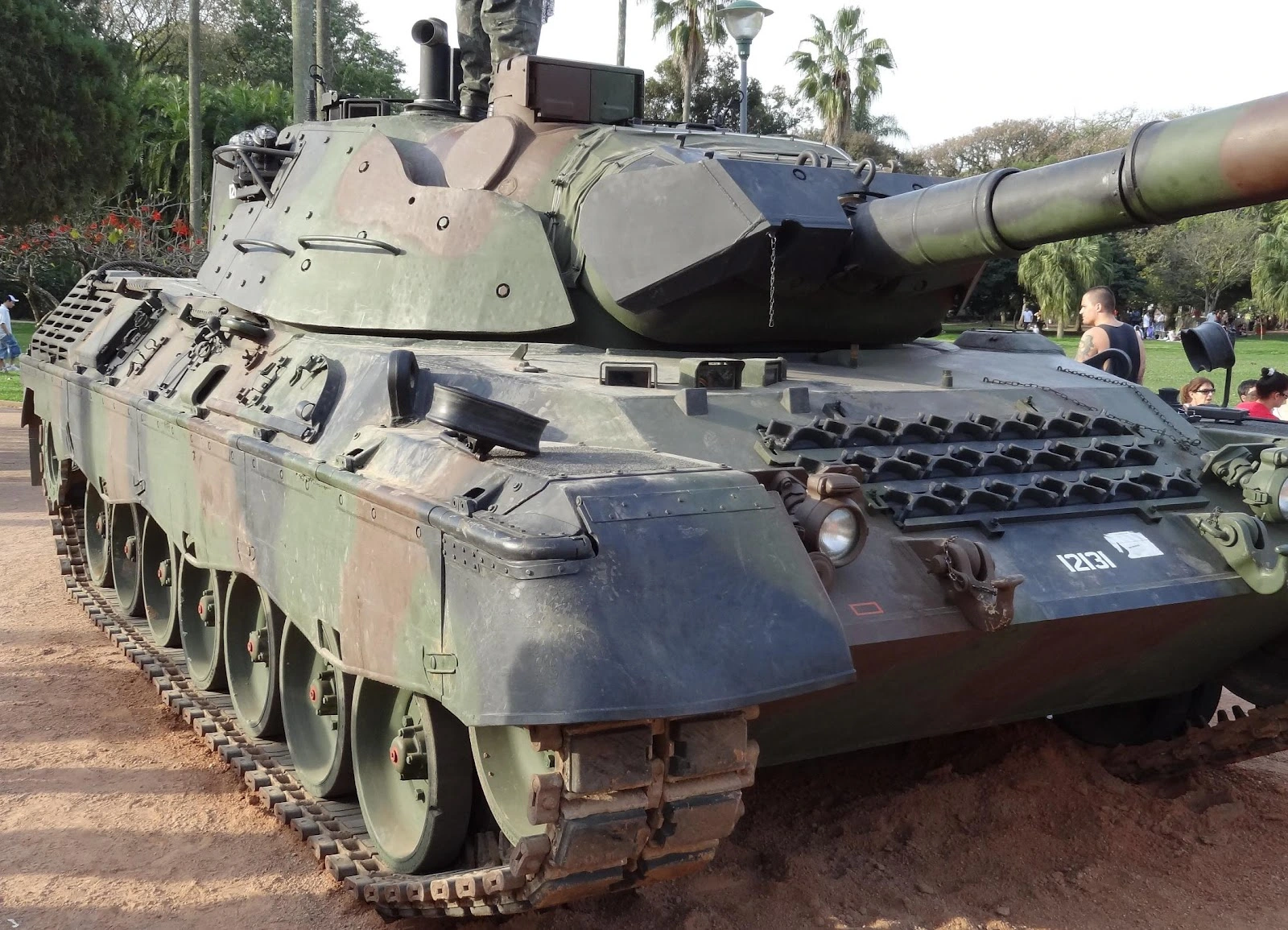
By 2027, when the support contract ends, Brazil must decide either to continue using the aging Leopards without support or find new solutions for its armored forces.
The Brazilian Army delayed its upgrade program indefinitely due to the high international demand for armored vehicle parts following the conflict in Ukraine.
This leaves Brazil’s tank future uncertain, with potential cannibalization of its current fleet to maintain a minimal operational presence.
Background
Brazil is at a crucial juncture in its military progression. As the Leopard 1A5 BR tank nears its end, the nation must rethink its defense strategy.
For years, Brazil has reshaped foreign military tech to fit its unique requirements. This process mirrors a global trend of adapting and localizing defense technologies.
The potential retirement of the Leopard tank is part of a global shift. Many countries now have to deal with the cost of aging equipment.
The changes in Brazil’s military approach also echo larger geopolitical currents.
In the modern world, nations with limited budgets face challenges in keeping up with military innovations.
This struggle could increase the divide between leading and lagging military powers. It highlights how crucial partnerships and alliances are for ensuring regional safety.
This article was produced by The Rio Times’ automated newsroom system. How we use AI · Report an error · Editorial responsibility: Matthias Camenzind, Editor-in-Chief
Read More from The Rio Times