Brazil has launched one of Latin America’s most sophisticated biology and biotechnology laboratories.
Located in Brasilia, this lab seeks to transform research by cloning spider silk genes from species in the Amazon, Atlantic Forest, and Cerrado.
The lab operates under Embrapa and is guided by INCT-BioSyn, merging their expertise.
Research director Ebilio Rech emphasized the lab’s capability to sequence spider genetics.
These advances could enable the synthesis of spider silk proteins in bacteria or plants, thereby eliminating direct extraction from nature.
This lab focuses heavily on biodiversity preservation using synthetic biology.
Scientists are replicating spider silk genes to explore ‘synthetic domestication’, using nature’s designs sustainably.
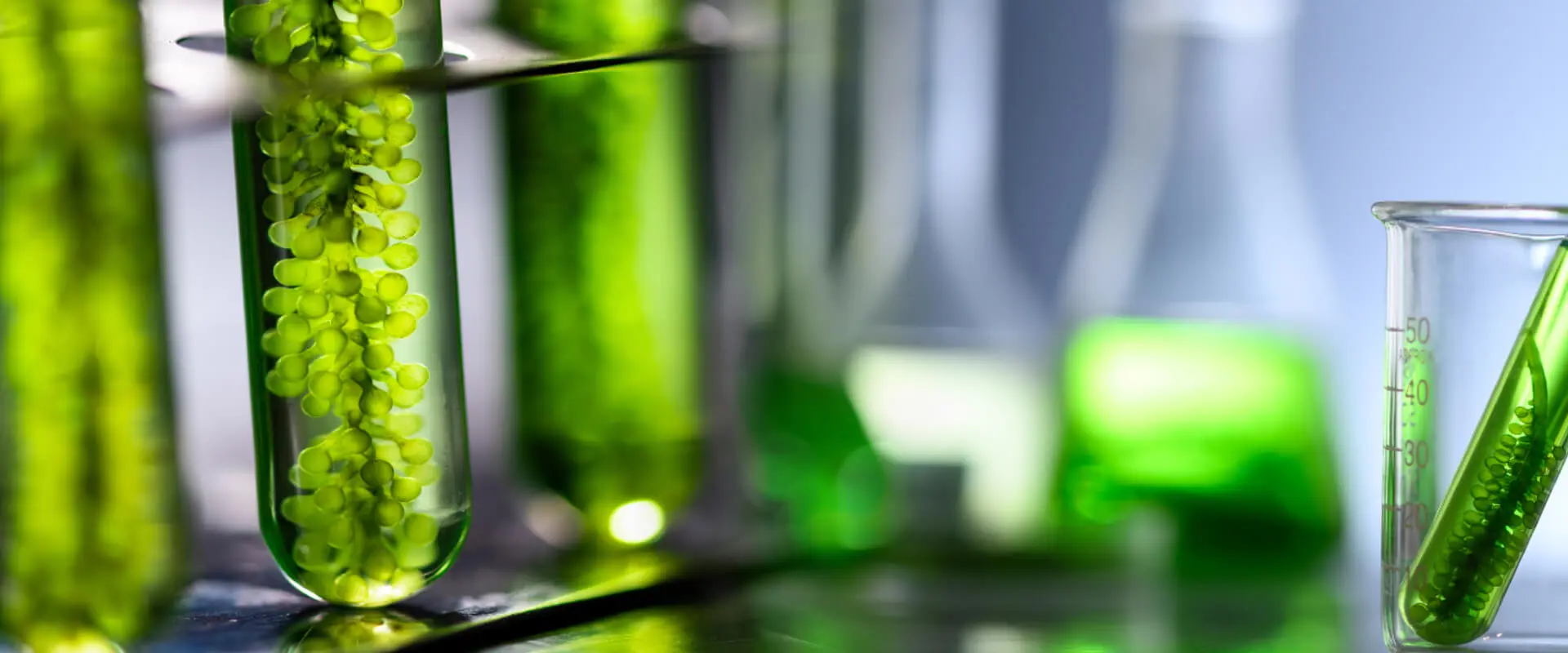
In addition, the facility is also mapping the metagenome of all Brazilian biomes.
This massive project aims to discover new molecules and bio-products across multiple industries, including agriculture and pharmaceuticals.
Researchers will analyze soil and root samples to achieve these discoveries.
Additionally, Embrapa has collaborated internationally to show that genetically modified soy can serve as an effective bioreactor.
Researchers have used this innovation to produce cyanovirin, an algae-derived protein effective against various viruses. It has shown effectiveness against HIV.
Also, the team is investigating soy’s potential as a sustainable resource for biofuel and health improvement through metabolic engineering.
These initiatives will boost Brazil’s scientific prowess. The new lab will lead in environmental conservation and resource management.
This marks a significant stride in integrating technological advances with sustainable development efforts.
This article was drafted with automated assistance and reviewed before publication. How we use AI · Report an error
Read More from The Rio Times