Brazil Audit Court Swears in Rodrigo Pacheco, Passed Over for Supreme Court
BRAZIL · POLITICS
Key Facts
- —What happened Rodrigo Pacheco, a former president of Brazil’s Senate, took office as a minister of the federal audit court (TCU) on 30 September 2026, the court said.
- —The seat He fills the vacancy left by Bruno Dantas, who left the court for the private sector, Hoje em Dia reported on 30 September 2026.
- —How long TCU ministers serve for life until compulsory retirement at 75; Pacheco is 49, according to Hoje em Dia (30 September 2026).
- —The court The TCU has nine ministers: Congress chooses six and the president of Brazil chooses three, Hoje em Dia reported.
- —The backstory Pacheco had been mentioned as a possible Supreme Court nominee and chose not to run for governor of Minas Gerais in October, Hoje em Dia reported.
Brazil audit court gains a seasoned politician for life, as Rodrigo Pacheco leaves the Senate days before the 4 October general election.
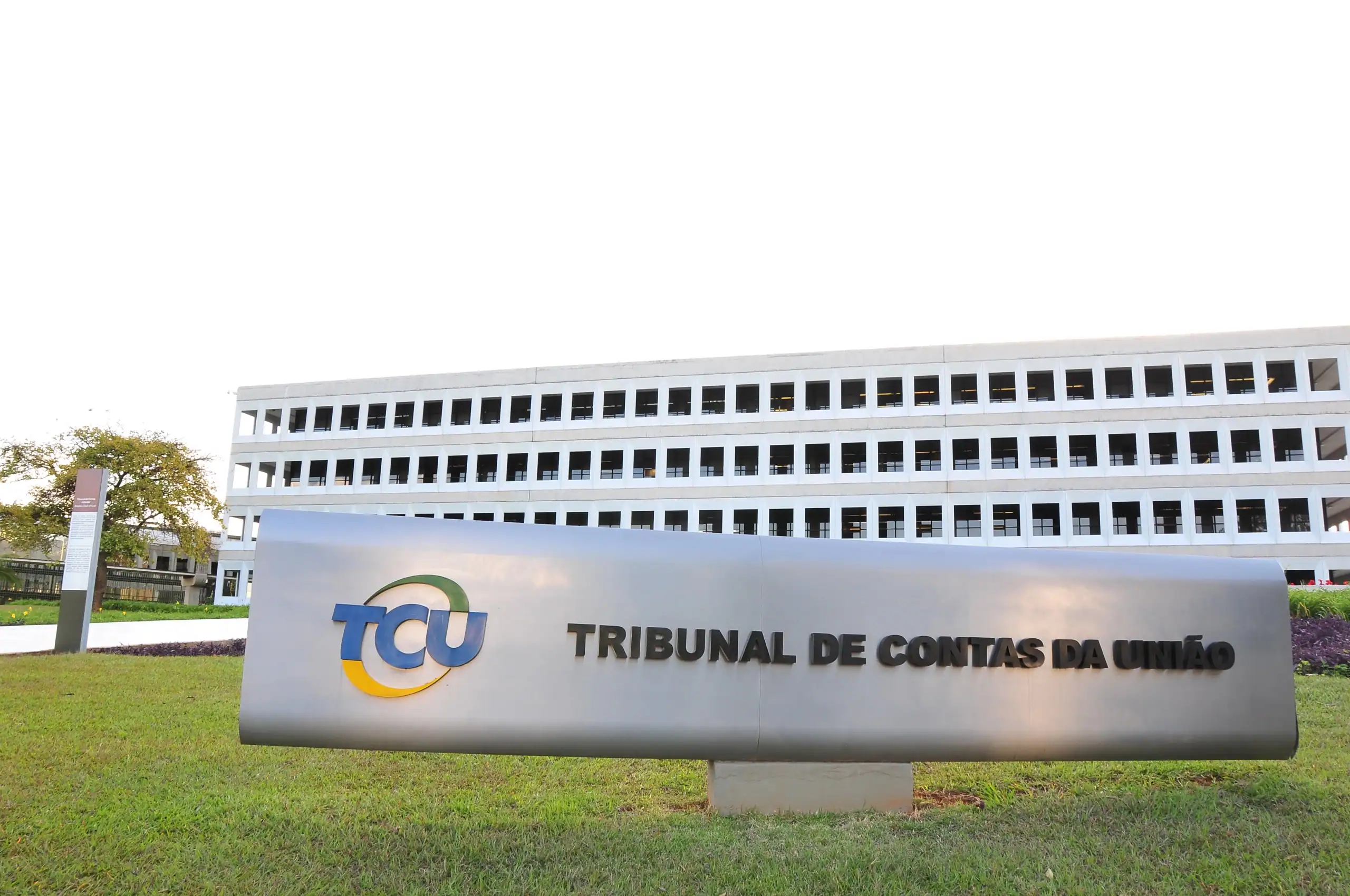
Rodrigo Pacheco, a former president of Brazil’s Senate, became a minister of the Federal Court of Accounts (TCU) on 30 September 2026. The TCU is Brazil’s federal audit court, which checks how the national government spends public money.
A morning ceremony in Brasília
The ceremony took place on Wednesday morning at the court’s headquarters in Brasília, the capital, the TCU said in a statement. Pacheco takes the seat left by Bruno Dantas, a former TCU president.
Dantas left the court to work in the private sector, the Minas Gerais newspaper Hoje em Dia reported. Pacheco’s appointment appeared in an extra edition of the official gazette earlier this week.
Vice President Geraldo Alckmin attended, the TCU said. So did four Supreme Court justices: Gilmar Mendes, Alexandre de Moraes, Kassio Nunes Marques and Cristiano Zanin.
Prosecutor-General Paulo Gonet, Brazil’s top federal prosecutor, was also present. The heads of two other national courts completed the list of guests.
The Supreme Court seat that went to someone else
Hoje em Dia reported that Pacheco was mentioned in recent months as a possible nominee to the Supreme Federal Court (STF). The STF is Brazil’s highest court, and President Luiz Inácio Lula da Silva passed Pacheco over.
The seat in question opened when Justice Luís Roberto Barroso retired in October 2025. Lula’s chosen candidate, Jorge Messias, then failed in the Senate.
Senators rejected Messias on 29 April 2026 by 42 votes to 34, the Senate’s news agency reported. A nominee needs at least 41 votes in favour.
Pacheco also weighed a run for governor of Minas Gerais, a large state in the southeast, but chose not to stand. The audit court gives him a different path, outside elected politics.

Who Rodrigo Pacheco is
Pacheco was born in Porto Velho, in the Amazon state of Rondônia, and grew up in Minas Gerais. He is a lawyer who practised criminal law, according to the TCU.
He was elected to the Chamber of Deputies, the lower house, in 2014. There he chaired the Constitution and Justice Committee, which reviews whether bills are lawful.
In 2018 he won a Senate seat for Minas Gerais. He became president of the Senate and of the National Congress in February 2021 and was later re-elected to the post.
The TCU says he helped negotiate the 2022 “Transition PEC”. This constitutional amendment widened spending room for Lula’s incoming government. He also filed bills on rules for artificial intelligence and on updating the Civil Code.
What the audit court does
The TCU audits federal spending and oversees the national administration, the court said. Despite the name, it is not part of the judiciary; it advises Congress on public accounts.
Its decisions reach far beyond Brasília. The court reviews large federal contracts and public works, which matters to companies bidding for state business.
The court has nine ministers, Hoje em Dia reported. Congress picks six, and the president of the republic picks three.
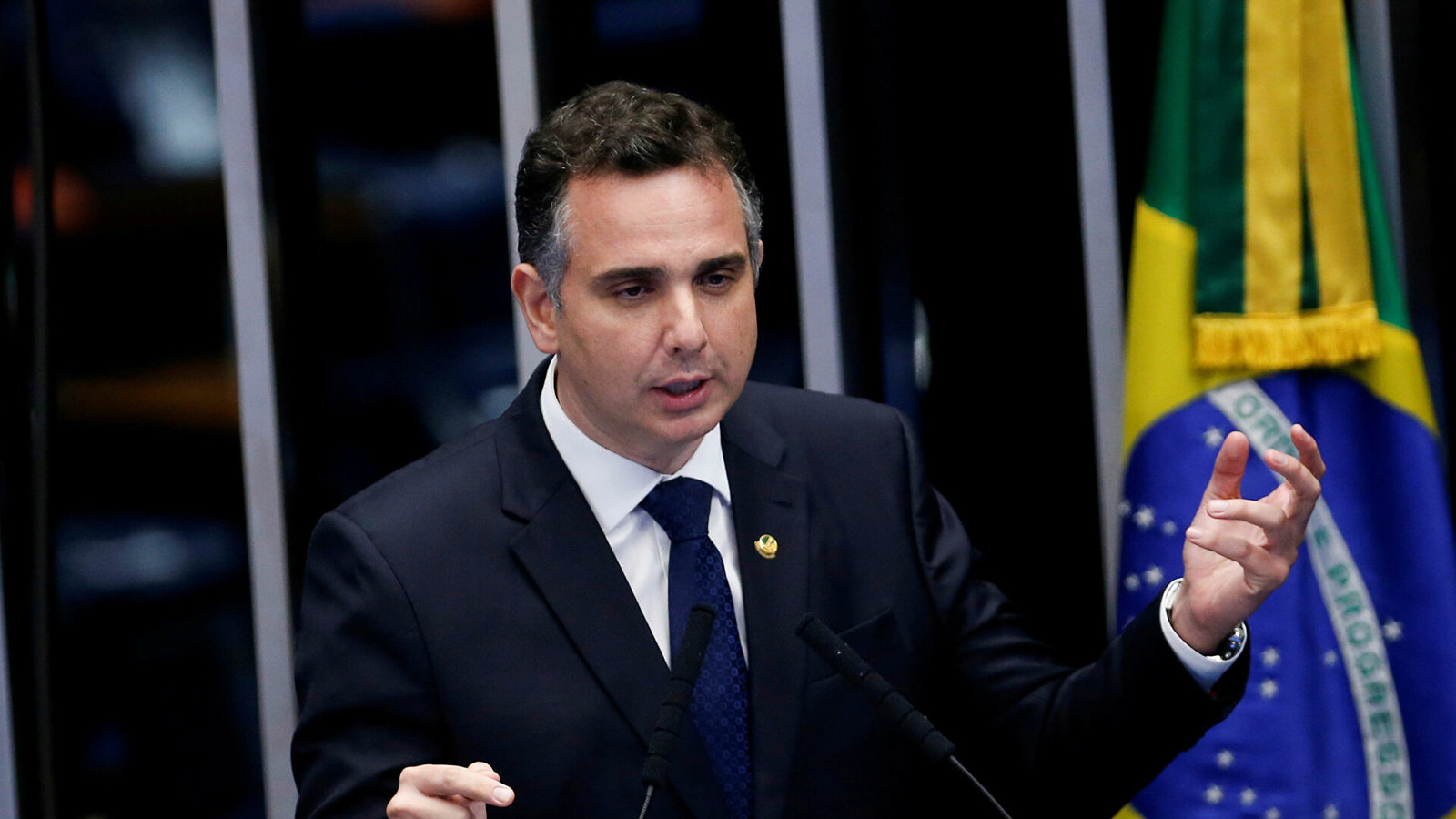
A job for life
TCU ministers hold their posts for life, until compulsory retirement at 75. Pacheco is 49, so he could sit on the court for about a quarter of a century.
Former politicians often fill the seats chosen by Congress. Vital do Rêgo, the current TCU president, and Antonio Anastasia, a former governor of Minas Gerais, both came from the Senate.
The TCU president framed that background as an asset for the court. The court has yet to say which areas of government Pacheco will oversee.
What the speakers said
Vital do Rêgo said Pacheco’s years in Congress would help the court’s work. “Parliamentary experience gives a very concrete understanding of how public decisions are built,” he said, according to the TCU.
Anastasia praised Pacheco’s record of building consensus. “We are receiving someone who knows from the inside what it means to turn public decisions into results,” he said.
Pacheco said citizens expect honesty and respect for the law from the state. He added that they also expect public policies to work and public money to produce results.
He argued that independence and dialogue can coexist. “I believe institutional dialogue does not weaken institutions, it strengthens them,” he said.
What changes now
Pacheco leaves the Senate four days before Brazilians vote on Sunday 4 October in national and state elections. Under Brazilian rules, an elected substitute takes over his Senate seat for the rest of the term.
At the TCU, he now joins the panel that rules on audits of federal spending. His first votes will show how closely the former Senate leader keeps to the court’s watchdog role.
More: Pacheco’s move to Brazil’s federal audit court. Brazil news, every day from The Rio Times.
Frequently Asked Questions
What is the TCU in Brazil?
The Federal Court of Accounts, or TCU, is Brazil’s federal audit court. It checks how the national government spends public money and reviews large contracts. It works alongside Congress and is not part of the regular court system.
Why was Rodrigo Pacheco not appointed to the Supreme Court?
President Lula chose Jorge Messias, his government’s chief lawyer, for the seat left by Luís Roberto Barroso. The Senate rejected Messias on 29 April 2026 by 42 votes to 34. Pacheco had been mentioned as a possible nominee but was not picked.
How long will Pacheco serve on the audit court?
TCU ministers serve for life until compulsory retirement at 75. Pacheco is 49, so he could remain on the court for more than two decades.
Sources: Hoje em Dia · Tribunal de Contas da União · Agência Senado
This article was produced by The Rio Times’ automated newsroom system. How we use AI · Report an error
Read More from The Rio Times