IBOV 171,906.72 ▲ 0.51% IPSA 11,537.98 ▲ 1.76% IPC MEX 66,105.23 ▲ 0.57% MERVAL 2,995,129 ▲ 2.81% COLCAP 2,510.72 ▲ 2.09% BVL PERÚ 60,222.25 ▼ 0.17% USD/BRL5.16▲ 0.40% USD/MXN16.94▲ 0.18% USD/CLP911.58▼ 0.37% USD/COP3,050▲ 0.24% USD/PEN3.35▲ 0.01% USD/ARS1,509▲ 0.63% USD/UYU40.18▼ 0.03% USD/PYG5,989▼ 0.11% USD/BOB11.44▲ 0.09% USD/DOP58.53▼ 0.20% USD/CRC446.05▼ 0.89% USD/GTQ7.62▼ 0.04% USD/HNL26.82▲ 0.02% USD/NIO36.62— 0.00% USD/VES782.70▲ 0.48% USD/PAB1.00— 0.00% USD/BZD2.00— 0.00% USD/JMD 157.28 — 0.00% USD/TTD6.72▲ 0.25% EUR/BRL6.01▲ 0.27% BRENT 88.88 ▼ 0.03% WTI 83.11 ▼ 0.11% IRON ORE 161.91 — — COPPER 6.61 ▲ 0.03% GOLD 4,461 ▲ 1.78% SILVER 65.59 ▲ 1.26% SOY 1,184 ▲ 3.20% CORN 480.50 ▲ 10.02% WHEAT 655.00 ▲ 3.93% COFFEE 317.25 ▼ 5.51% SUGAR 16.43 ▼ 1.79% ORANGE JUICE 138.55 ▼ 0.47% COTTON 85.03 ▲ 2.33% COCOA 5,719 ▲ 3.18% BEEF 223.60 ▼ 3.93% CATTLE 339.10 ▼ 3.16% LITHIUM 75.20 ▲ 1.47% PETR4 41.64 ▼ 0.05% VALE3 72.97 ▲ 0.83% ITUB4 38.60 ▼ 1.03% BBDC4 16.85 ▲ 0.36% ABEV3 14.89 ▼ 0.80% BBAS3 19.37 ▲ 0.47% B3SA3 14.26 ▼ 0.21% WEGE3 47.59 ▲ 0.49% PRIO3 59.14 ▼ 0.19% SUZB3 41.33 ▲ 2.35% RENT3 34.68 ▼ 0.09% AZZA3 15.89 ▼ 2.63% CSAN3 3.22 ▼ 1.83% RAIZ4 0.25 — 0.00% PCAR3 2.75 ▼ 0.36% GMAT3 3.65 ▼ 1.08% PSSA3 48.13 ▼ 0.54% CVCB3 1.33 ▼ 2.92% POSI3 3.36 ▲ 2.44% SLCE3 13.34 ▲ 0.30% NATU3 8.14 ▼ 0.73% IBOV 171,906.72 ▲ 0.51% IPSA 11,537.98 ▲ 1.76% IPC MEX 66,105.23 ▲ 0.57% MERVAL 2,995,129 ▲ 2.81% COLCAP 2,510.72 ▲ 2.09% BVL PERÚ 60,222.25 ▼ 0.17% USD/BRL 5.16 ▲ 0.01% USD/MXN 17.06 ▼ 0.24% USD/CLP 913.98 ▲ 0.04% USD/COP 3,140 ▲ 0.03% USD/PEN 3.36 ▼ 0.66% USD/ARS 1,493 ▲ 0.10% USD/UYU 40.27 ▲ 1.24% USD/PYG 5,939 ▲ 1.68% USD/BOB 11.64 ▼ 0.76% USD/DOP 58.34 ▲ 1.25% USD/CRC 445.92 ▲ 0.89% USD/GTQ 7.62 ▲ 2.21% USD/HNL 26.79 ▲ 1.57% USD/NIO 36.62 ▲ 0.69% USD/VES 762.44 ▼ 0.13% USD/PAB 1.00 — 0.00% USD/BZD 2.00 — 0.00% USD/JMD 157.28 — 0.00% USD/TTD 6.70 ▲ 0.61% EUR/BRL 5.95 ▲ 1.01% BRENT 88.88 ▼ 0.03% WTI 83.11 ▼ 0.11% IRON ORE 161.91 — — COPPER 6.61 ▲ 0.03% GOLD 4,461 ▲ 1.78% SILVER 65.59 ▲ 1.26% SOY 1,184 ▲ 3.20% CORN 480.50 ▲ 10.02% WHEAT 655.00 ▲ 3.93% COFFEE 317.25 ▼ 5.51% SUGAR 16.43 ▼ 1.79% ORANGE JUICE 138.55 ▼ 0.47% COTTON 85.03 ▲ 2.33% COCOA 5,719 ▲ 3.18% BEEF 223.60 ▼ 3.93% CATTLE 339.10 ▼ 3.16% LITHIUM 75.20 ▲ 1.47% PETR4 41.64 ▼ 0.05% VALE3 72.97 ▲ 0.83% ITUB4 38.60 ▼ 1.03% BBDC4 16.85 ▲ 0.36% ABEV3 14.89 ▼ 0.80% BBAS3 19.37 ▲ 0.47% B3SA3 14.26 ▼ 0.21% WEGE3 47.59 ▲ 0.49% PRIO3 59.14 ▼ 0.19% SUZB3 41.33 ▲ 2.35% RENT3 34.68 ▼ 0.09% AZZA3 15.89 ▼ 2.63% CSAN3 3.22 ▼ 1.83% RAIZ4 0.25 — 0.00% PCAR3 2.75 ▼ 0.36% GMAT3 3.65 ▼ 1.08% PSSA3 48.13 ▼ 0.54% CVCB3 1.33 ▼ 2.92% POSI3 3.36 ▲ 2.44% SLCE3 13.34 ▲ 0.30% NATU3 8.14 ▼ 0.73%
since 2009
Tuesday, August 25, 2026

Brazil Business - Brazil

If Rio de Janeiro were a country, it would be the tenth largest oil producer in the world

By · August 11, 2022 · 3 min read

Daily Brief

The morning intel from across Latin America. Free.

By subscribing you agree to our privacy policy. We never share your email.

Rio’s experience in providing goods, services, and equipment to the offshore oil industry and the lower carbon footprint of Rio’s industrial production compared to the rest of the world give the state a competitive advantage in globally supplying the energy industry with inputs for the energy transition.

The conclusion is the coordinator of oil, gas, and marine content of the Federation of Industries of the State of Rio de Janeiro (Firjan), Fernando Montera.

“The Brazilian supplier has carbon emissions that are six times lower than China’s in the production of a commodity and 4.6 times lower than the global average. That’s a big difference,” he says.

Montera says Rio state is already positioned as a supplier to the onshore oil industry in the Northeast, which has heated up as Petrobras sells off mature fields.
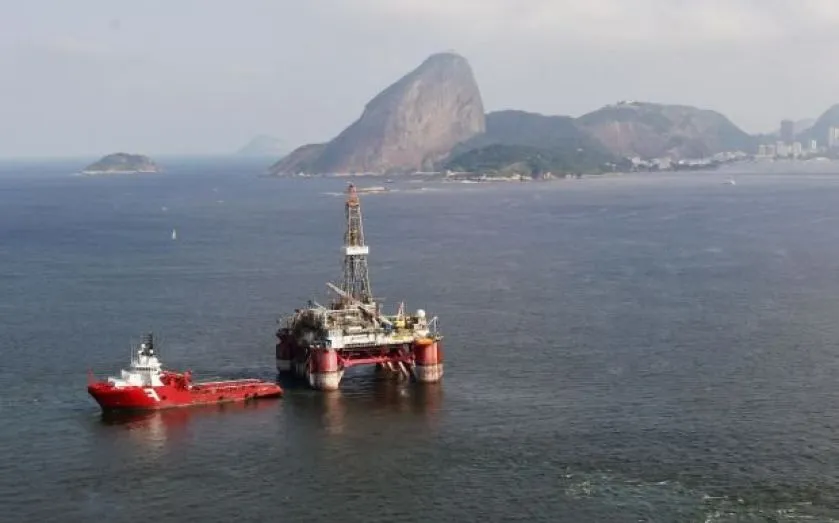
If Rio de Janeiro were a country, this Brazilian state would be the tenth largest oil producer in the world. (Photo internet reproduction)
One-stop reference
Company Intelligence
Every listed company in Latin America — financials, ownership and structure for 1,450+ companies across 26 exchanges, in one place.
Browse the directory →
RT
Ask Rio Times
Latin American markets, currencies and companies.
Open the full Ask Rio Times →

Firjan’s data shows that more than 50% of the labor force employed exclusively in Brazil’s oil market works in Rio. The state benefits from the country’s two largest production basins are here: Campos and Santos.

Rio produces nearly 2 million barrels of oil per day, about 80% of national production. If it were a country, the state would be the tenth largest producer in the world, Firjan points out.

According to estimates by the National Petroleum Agency (ANP) presented in the yearbook, the state is expected to receive R$380.71 (US$75) billion in oil production investments between 2022 and 2026.

This amount represents 89% of the R$427 billion projected for all of Brazil and includes activities such as drilling, new production units, and platform revitalization.

The amount has increased by 32% compared to estimates for the previous period. “Brazil manages to keep an effective schedule for auctioning area concessions, and therefore we will see an increase in exploration and production in the coming years,” says Firjan manager Karine Fragoso.

She points out that the increase in Rio de Janeiro oil production comes at a time of high prices. The war in Ukraine and the revival of global consumption after the most critical phase of the pandemic have kept the barrel of oil near $100 on the international market.

Thus, the price of a barrel of oil in reais this year is around R$600, higher than during the commodity supercycle between 2010 and 2015, when it was around R$200. The difference is explained by the current devaluation of the Brazilian currency. “We need to convert this into benefits for Rio, in more jobs and income,” Fragoso says.

According to Firjan, the number of job openings in Rio’s oil market has increased by 146% as the sector recovers. The manager points out that the changes in the industry will also change the profile of the workers to be hired: “The diversity and complementarity of energy sources have increased, and this will be reflected in the professionals that the industry will hire. Employees will need to be “multifunctional” and know how to talk about the energy industry as a whole, for example,” Fragoso says.

This article was produced by The Rio Times’ automated newsroom system. How we use AI · Report an error

Read More from The Rio Times

The Rio Times · Power Map
See who really holds power in Latin America
Click to open the Power Map

Rotate for Best Experience

This report is optimized for landscape viewing. Rotate your phone for the full experience.