Brazil Industry Fights Pesticide Freeze
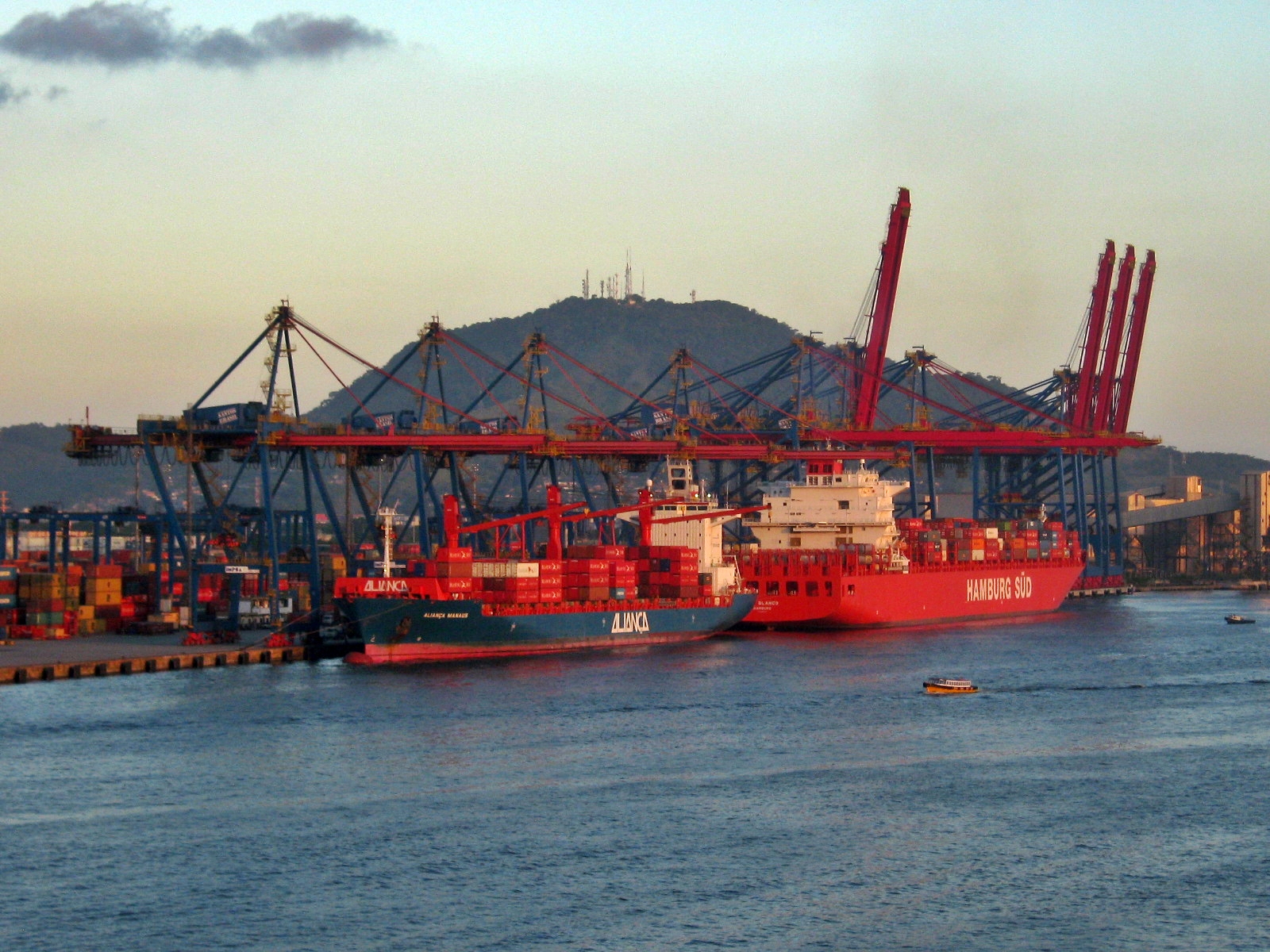
The case asks whether labour judges or federal regulators have the last word on pesticides sold across Brazil’s farm belt. Brazil shipped 108.2 million tonnes of soybeans in 2025, about 79% of it to China, according to the US Agriculture Department.

Economy: Brazil
Brazil’s national industry lobby has asked the Supreme Federal Court (STF) to stop labour courts from freezing national pesticide approvals. The Confederação Nacional da Indústria (CNI) filed ADI 8046, a direct action of unconstitutionality, meaning a challenge to a law at the Supreme Court.
The target is a Brasília labour court order of Friday 4 September 2026 that froze new approvals of glyphosate, a widely used weedkiller, for 90 days. No registrations were cancelled, and products already approved stay on sale.
Key Facts
- Who. The CNI, Brazil’s national industry confederation, against labour courts; Justice Cristiano Zanin handles it.
- What. ADI 8046 asks Brasília’s Supreme Court to bar labour courts from freezing federal pesticide approvals.
- When. November 2026; the labour court froze new approvals for 90 days in September 2026.
- Power Index. Brazil ranks 1st of 14 in The Rio Times Latin America Power Index, with 74.2 points (November 2026 edition).
- As of. 21 November 2026, 12:00 GMT.
The case asks whether labour judges or federal regulators have the last word on pesticides sold across Brazil’s farm belt. Brazil shipped 108.2 million tonnes of soybeans in 2025, about 79% of it to China, according to the US Agriculture Department.
The dispute began on Friday 22 May 2026, when the Ministério Público do Trabalho (MPT), the federal labour prosecutors’ office, sued the health regulator Anvisa and the federal government. It asked for a nationwide ban on glyphosate, including cancelling existing registrations and stopping its production, import, export, sale and use.
Judge Gustavo Carvalho Chehab of the 7th Labour Court in Brasília refused the ban in case 0000883-90.2026.5.10.0014. He froze new glyphosate registrations instead, including copies approved by equivalence and extensions to new uses.
His reasoning rests on Law 14.785 of 2023, Brazil’s pesticide law, which sets deadlines for re-assessing active ingredients already on the market. The judge found those deadlines had passed without finished reviews or technical explanations for the delay.
He left Anvisa’s position, that glyphosate can stay on sale, standing. Anvisa, the federal government, the environment agency Ibama and the MPT were given 20 days to file toxicology, environmental and health data.
In its filing, the CNI accepts that labour courts may rule on workers’ health and safety. It argues that they cannot suspend or void approvals issued by federal bodies such as the Agriculture Ministry (MAPA) and Anvisa when the effect reaches the whole national market.
The CNI asks the STF to send such disputes to the Federal Courts and to set limits on labour rulings. It questions parts of the Constitution, the labour code and Complementary Law 75 of 1993, the statute of the federal prosecution service, and its case covers chemicals and medicines as well as pesticides.
A second fight is already running over atrazine, another herbicide. In an MPT case opened in 2023, a labour court first said it had no jurisdiction, but the 10th Regional Labour Tribunal later ruled that labour courts can hear it.
The freeze lands after a very high year of approvals. MAPA’s annual tally shows 912 pesticide and bio-input product registrations in 2025, 323 of them technical products not sold directly to farmers.
The ministry added that a significant share followed court orders over missed Law 14.785 deadlines. Alan Tygel of the Campanha Permanente Contra os Agrotóxicos, a campaign against pesticides, calls the 2023 law the “Pacote do Veneno”, or poison package.
The MPT cites the 2015 classification of glyphosate as “probably carcinogenic to humans” by the International Agency for Research on Cancer, a World Health Organization body. The judge himself wrote that the evidence on record did not justify an immediate ban.
The case matters abroad because Brazil is a core soybean supplier. The US Agriculture Department’s transportation service, using Brazilian customs data, puts 2025 exports up 9.5% from 98.8 million tonnes in 2024.
The 90-day freeze that began on 4 September 2026 runs to about 3 December 2026, counting 90 days from 4 September. Brazil’s courts have not said whether the freeze will be extended.
Zanin has asked the President’s office and Congress for information before the case moves on. No ruling on the merits has been published, and the STF has not set a timetable.
Frequently Asked Questions
Has Brazil banned glyphosate?
No. The labour court froze only new registrations, and products already approved remain legal to sell and use.
Why does the CNI say labour courts overstepped?
It argues they may judge workplace safety but not overturn technical approvals by federal agencies for the whole country.
What happens next?
Justice Zanin is collecting information from the presidency and Congress. The Supreme Court has not yet said when it will decide.
Sources
Published Saturday 21 November 2026 · Source: Supremo Tribunal Federal notice on ADI 8046 (November 2026); labour court case 0000883-90.2026.5.10.0014; Agriculture Ministry (MAPA) 2025 registration tally; US Agriculture Department data · Supremo Tribunal Federal · USDA AMS
Connected Coverage
This article was produced by The Rio Times’ automated AI newsroom. Editorial responsibility: Matthias Camenzind, Publisher and Editor-in-Chief. The Rio Times also runs Ask Rio Times, which answers from 100,000+ of our own articles, the daily Latin America Power Map, and prediction-market odds on elections and markets.. How we use AI · Report an error
Brazil runoff, Sunday, October 25: When is the Brazil runoff election. Latest: Brazil runoff polls, Flávio 51%, Lula 49%.