Brazil Boosts Northern Border Defense with Advanced Missiles
In response to escalating tensions in South America, Brazil has advanced its deployment of troops and equipment to the northern border.
Originally planned for 2025, this acceleration directly results from the current Venezuelan government’s actions.
Brazil dispatched an initial batch of Siatt MSS 1.2 AC anti-tank missiles to bolster its mechanized cavalry in Roraima.
These missiles, effective up to 2 kilometers with laser guidance, enhance the army’s firepower.
Produced between 2014 and 2017, these missiles were part of a pilot batch used for live training.
Now, they’re upgrading the anti-tank capabilities of units stationed in Roraima.
Additionally, the Brazilian Army sent substantial ammunition for SAAB Carl Gustav 84 mm recoilless rifles to reinforce infantry units.
In collaboration with the Manufacturing Directorate, the Brazilian Army’s Science and Technology Directorate plans to produce more MSS 1.2 AC missiles.
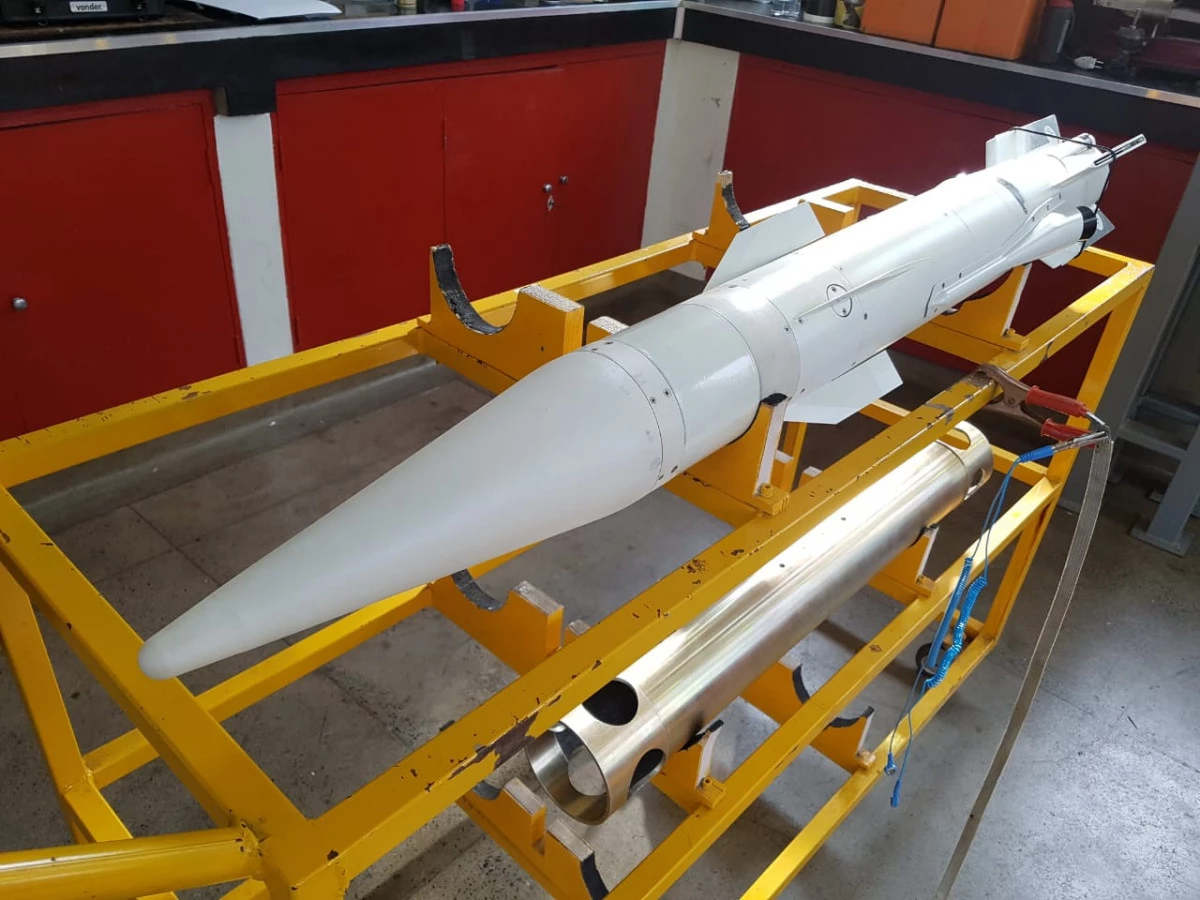
They aim to deliver additional missiles to Roraima by the first half of 2024. The Army’s Science, Technology, and Innovation System supports this effort.
Siatt, overcoming various hurdles, has transitioned the MSS 1.2 AC from prototype to mass production.
This includes missiles, launchers, and training systems.
Furthermore, the Army’s Science, Technology, and Innovation System supports this effort.
The MSS 1.2 AC is a versatile, laser-guided, surface-to-surface anti-tank system.
It is designed for use by ground troops and vehicles and offers increased portability, flexibility, and precision against armored targets.
This deployment strengthens Brazil’s border defense, showcasing its commitment to territorial integrity amidst regional uncertainties.
Background
Brazil’s accelerated deployment to its northern border, prompted by Venezuelan policies, marks a significant change in South American defense.
In contrast to neighboring countries’ passivity, Brazil asserts military self-reliance using domestically-produced MSS 1.2 AC anti-tank missiles.
This shift places Brazil at the forefront of regional military modernization, setting a new benchmark for preparedness and technological advancement.
By prioritizing indigenous weapon systems like the MSS 1.2 AC, Brazil not only bolsters its defense capabilities but also positions itself as a key player in the regional arms industry.
Brazil’s proactive defense strategy, emphasizing missile production by 2024, strengthens its national security and may influence regional defense.
This article was produced by The Rio Times’ automated newsroom system. How we use AI · Report an error · Editorial responsibility: Matthias Camenzind, Editor-in-Chief
Read More from The Rio Times