Brazil: beans production should remain stable, despite the fall in the planting area, indicates Conab
By Fernanda Pressinott
Despite the fall in the bean planting area, already announced by the National Supply Company (Conab) and private consultants, the national production in 2022/23 should remain in line with the historical average, around 3 million tonnes.
The result is explained by the better productivity verified in the country’s plantations, said Conab in its monthly bulletin.
The agency added that the market is waiting for good volumes in the second harvest, which should result in lower prices.
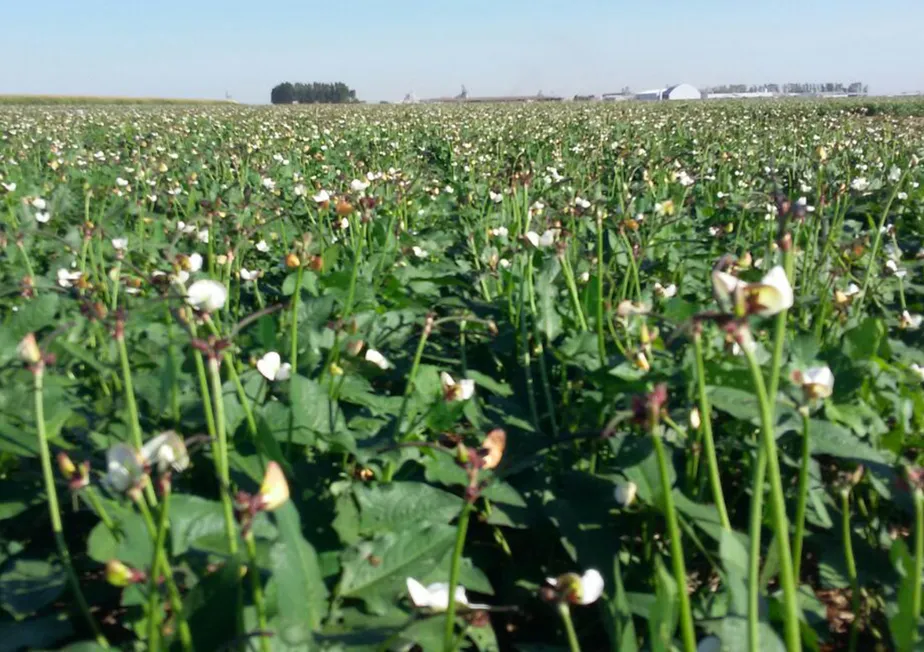
The planting area of the legume has been falling every season due to high costs, unstable marketing, and lower profitability for the producer compared to other products such as soybeans and corn.
“We must guarantee profitability to those who want to produce food.”
“We have to encourage production through the existing tools so that there is no shortage of a product like beans, consumed by every Brazilian.”
This way, we ensure quality food on the Brazilian plate and support to the producer,” said the president of Conab, Edegar Pretto, in the text.
In the last 12 years, beans lost 1.2 million hectares to soybean and corn crops.
“The biggest retreat can be seen in the Northeast, where a drop of about 33% was registered in the region,” said João Ruas, Conab’s market analyst.
The production incentive can also contribute to greater consumption of beans by Brazilians since prices tend to fall with the greater supply.
“However, this reduction needs to reach the retail market,” said the Conab analyst.
PRICES
Until the penultimate week of March, when the price of the legume skyrocketed, a 30% drop in sales was identified.
Currently, the prices are in a downward trend influenced by the expectation of a good production volume in the second harvest of the product.
In Paraná, the main producing state in this cycle, the crops are mostly in the stages from fructification to harvest.
About 15% of the sown area in the Paraná state has already been harvested and should reach its peak in the next 15 days.
PRODUCTIVITY
Besides the weather conditions and the better handling of the crops by producers, the research of new types of seeds has influenced the productivity of the crop.
“The industry has been investing in technology, developing more productive cultivars with slow darkening, which guarantees a production that meets the domestic demand, and at the same time tends to facilitate the storage of the product,” analyzed Ruas.
With information from Valor
News Brazil, Brazilian news, Brazilian agribusiness
More: Brazil news in English, every day from The Rio Times.
Editorial responsibility: Matthias Camenzind, Editor-in-Chief · Editorial standards · Report an error