IBOV 206,646.34 ▼ 0.13% IPSA 11,139.52 ▲ 0.13% IPC MEX 64,975.08 ▲ 0.69% MERVAL 2,897,435 ▲ 0.97% COLCAP 2,596.95 ▲ 0.55% BVL PERÚ 60,220.93 ▲ 0.51% USD/BRL4.97▼ 0.38% USD/MXN17.97▼ 0.64% USD/CLP972.23▼ 0.04% USD/COP3,230▲ 1.15% USD/PEN3.44▼ 0.17% USD/ARS1,520— 0.00% USD/UYU40.09▲ 2.87% USD/PYG5,835▲ 3.25% USD/BOB11.90▲ 2.31% USD/DOP60.36▲ 4.52% USD/CRC454.50▲ 2.57% USD/GTQ7.64▲ 3.36% USD/HNL26.86▲ 3.49% USD/NIO36.62▲ 2.96% USD/VES870.21▼ 0.13% USD/PAB1.00— 0.00% USD/BZD2.00— 0.00% USD/JMD 157.28 — 0.00% USD/TTD6.68▲ 1.99% EUR/BRL5.60▼ 4.63% BRENT 88.88 ▼ 0.03% WTI 83.11 ▼ 0.11% IRON ORE 161.91 — — COPPER 6.61 ▲ 0.03% GOLD 4,461 ▲ 1.78% SILVER 65.59 ▲ 1.26% SOY 1,184 ▲ 3.20% CORN 480.50 ▲ 10.02% WHEAT 655.00 ▲ 3.93% COFFEE 317.25 ▼ 5.51% SUGAR 16.43 ▼ 1.79% ORANGE JUICE 138.55 ▼ 0.47% COTTON 85.03 ▲ 2.33% COCOA 5,719 ▲ 3.18% BEEF 223.60 ▼ 3.93% CATTLE 339.10 ▼ 3.16% LITHIUM 75.20 ▲ 1.47% PETR4 41.64 ▼ 0.05% VALE3 72.97 ▲ 0.83% ITUB4 38.60 ▼ 1.03% BBDC4 16.85 ▲ 0.36% ABEV3 14.89 ▼ 0.80% BBAS3 19.37 ▲ 0.47% B3SA3 14.26 ▼ 0.21% WEGE3 47.59 ▲ 0.49% PRIO3 59.14 ▼ 0.19% SUZB3 41.33 ▲ 2.35% RENT3 34.68 ▼ 0.09% AZZA3 15.89 ▼ 2.63% CSAN3 3.22 ▼ 1.83% RAIZ4 0.25 — 0.00% PCAR3 2.75 ▼ 0.36% GMAT3 3.65 ▼ 1.08% PSSA3 48.13 ▼ 0.54% CVCB3 1.33 ▼ 2.92% POSI3 3.36 ▲ 2.44% SLCE3 13.34 ▲ 0.30% NATU3 8.14 ▼ 0.73% IBOV 206,646.34 ▼ 0.13% IPSA 11,139.52 ▲ 0.13% IPC MEX 64,975.08 ▲ 0.69% MERVAL 2,897,435 ▲ 0.97% COLCAP 2,596.95 ▲ 0.55% BVL PERÚ 60,220.93 ▲ 0.51% USD/BRL 5.16 ▲ 0.01% USD/MXN 17.06 ▼ 0.24% USD/CLP 913.98 ▲ 0.04% USD/COP 3,140 ▲ 0.03% USD/PEN 3.36 ▼ 0.66% USD/ARS 1,493 ▲ 0.10% USD/UYU 40.27 ▲ 1.24% USD/PYG 5,939 ▲ 1.68% USD/BOB 11.64 ▼ 0.76% USD/DOP 58.34 ▲ 1.25% USD/CRC 445.92 ▲ 0.89% USD/GTQ 7.62 ▲ 2.21% USD/HNL 26.79 ▲ 1.57% USD/NIO 36.62 ▲ 0.69% USD/VES 762.44 ▼ 0.13% USD/PAB 1.00 — 0.00% USD/BZD 2.00 — 0.00% USD/JMD 157.28 — 0.00% USD/TTD 6.70 ▲ 0.61% EUR/BRL 5.95 ▲ 1.01% BRENT 88.88 ▼ 0.03% WTI 83.11 ▼ 0.11% IRON ORE 161.91 — — COPPER 6.61 ▲ 0.03% GOLD 4,461 ▲ 1.78% SILVER 65.59 ▲ 1.26% SOY 1,184 ▲ 3.20% CORN 480.50 ▲ 10.02% WHEAT 655.00 ▲ 3.93% COFFEE 317.25 ▼ 5.51% SUGAR 16.43 ▼ 1.79% ORANGE JUICE 138.55 ▼ 0.47% COTTON 85.03 ▲ 2.33% COCOA 5,719 ▲ 3.18% BEEF 223.60 ▼ 3.93% CATTLE 339.10 ▼ 3.16% LITHIUM 75.20 ▲ 1.47% PETR4 41.64 ▼ 0.05% VALE3 72.97 ▲ 0.83% ITUB4 38.60 ▼ 1.03% BBDC4 16.85 ▲ 0.36% ABEV3 14.89 ▼ 0.80% BBAS3 19.37 ▲ 0.47% B3SA3 14.26 ▼ 0.21% WEGE3 47.59 ▲ 0.49% PRIO3 59.14 ▼ 0.19% SUZB3 41.33 ▲ 2.35% RENT3 34.68 ▼ 0.09% AZZA3 15.89 ▼ 2.63% CSAN3 3.22 ▼ 1.83% RAIZ4 0.25 — 0.00% PCAR3 2.75 ▼ 0.36% GMAT3 3.65 ▼ 1.08% PSSA3 48.13 ▼ 0.54% CVCB3 1.33 ▼ 2.92% POSI3 3.36 ▲ 2.44% SLCE3 13.34 ▲ 0.30% NATU3 8.14 ▼ 0.73%
since 2009
Tuesday, October 6, 2026

Latin America Bolivia

Bolivia’s Cocaine Trade Surpasses Gas Exports, Candidate Warns in Presidential Runoff

By · August 20, 2025 · 2 min read

Former Bolivian president and current presidential candidate Jorge “Tuto” Quiroga told Folha de S.Paulo on August 19, 2025, that Bolivia now exports more cocaine through Brazil than natural gas.

He warned that organized crime groups, including Brazil’s First Capital Command and Comando Vermelho, operate inside Bolivia and use the country as a corridor.

He proposed direct cooperation with Brazil’s Federal Police by opening joint offices in Bolivia to share intelligence and logistics. Bolivia’s coca cultivation rose to around 31,000 hectares in 2023, according to United Nations Office on Drugs and Crime data.

This represents a 4 percent increase compared to the previous year. Seizures of processed cocaine doubled in 2024 to approximately 46 tons, according to Bolivia’s Ministry of Government.

These numbers confirm a steady expansion of the drug economy, even as the country’s natural gas exports decline due to falling reserves and weak infrastructure.
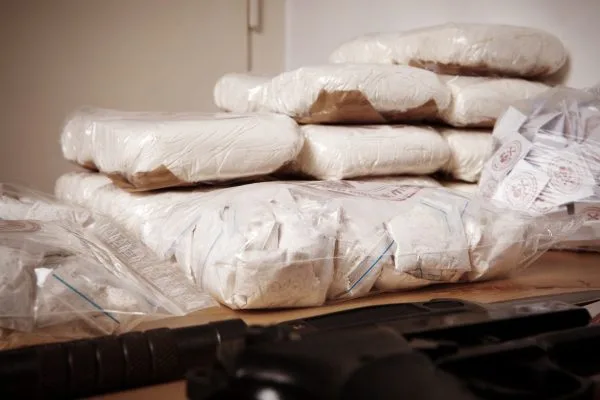
Bolivia’s Cocaine Trade Surpasses Gas Exports, Candidate Warns in Presidential Runoff
Bolivia’s Cocaine Trade Surpasses Gas Exports, Candidate Warns in Presidential Runoff.
RT
Ask Rio Times
17 years of Latin America reporting, on demand.
Open the full Ask Rio Times →

Quiroga, 65, argues that Bolivia once relied on gas exports to sustain public finances. During Evo Morales’s presidency from 2006 to 2019, gas revenues reached about 23 percent of annual GDP, according to official economic data.

The LatAm Brief

One email, every weekday morning. What moved in Latin American markets, politics and expat life.

Yesterday’s subject line: “Brazil stocks jump 7.7%, real up 4%, after the vote”

Free. We send a confirmation link first — nothing arrives until you click it. Unsubscribe with one click in any edition. If you stop opening us for 30 days we stop sending by ourselves, as we assume the interest is no longer there. See our privacy policy. We never share your email.

However, limited investment in pipelines and declining production have cut earnings sharply. Today, Bolivia imports fuel to meet domestic needs, while export volumes fall.

At the same time, the cocaine trade expands into Brazil, the Southern Cone, and European markets. The first round of Bolivia’s presidential election on August 17, 2025, produced no outright winner.

Quiroga, representing the center-right Free Alliance, and Rodrigo Paz, a centrist senator and former mayor, advanced to the October 19 runoff.

Both promise stronger institutions and reforms, but Quiroga places emphasis on fighting narcotrafficking and opening new markets abroad.

He said that the long-delayed Mercosur–European Union trade deal remains an illusion after 25 years of negotiation. He instead favors bilateral trade agreements with Asian countries and the United States.

He also supports free movement without passports in South America, mutual recognition of academic degrees, and expanded exchange programs. Bolivia’s economic instability frames this debate.

Inflation pressures, shortages of bread, gasoline, and dollars, and reduced state revenues dominate the campaign. Quiroga pledges to cut fiscal deficits, privatize loss-making state firms, remove taxes on dividends, and create 750,000 jobs during a five-year mandate.

The stakes extend beyond Bolivia. Brazil remains a key partner and transit country for both legal trade and cocaine flows.

Quiroga’s plan to embed Brazil’s Federal Police inside Bolivia signals a deeper level of bilateral cooperation. If implemented, this would directly affect organized crime networks operating across South America.

This article was produced by The Rio Times’ automated newsroom system. How we use AI · Report an error · Editorial responsibility: Matthias Camenzind, Editor-in-Chief

The Rio Times · Power Map
See who really holds power in Latin America
Click to open the Power Map →

Rotate for Best Experience

This report is optimized for landscape viewing. Rotate your phone for the full experience.