
KENYA · INDUSTRY
Key Facts
- —The country Kenya, with more than 50 million people, is a leading East African business hub and a major non-NATO US ally.
- —The background Kenya imports its fuel and most of its vehicles, many of them used cars from Japan, paying in hard currency.
- —Why now In May, amid a global fuel crisis, President William Ruto declared the first 100,000 imported electric vehicles duty-free.
- —What happened On Tuesday, 6 October, Kenya signed a memorandum with Endelevu Enterprise Corporation for a US$3 billion electric vehicle project.
- —The plan Endelevu and its Chinese partner Geely propose 50,000 cars and 100,000 two-wheelers a year, plus 1,000 charging hubs.
- —What it means for you Chinese electric cars face US tariffs of at least 100%, and Chinese carmakers are expanding in Africa instead.
- —The catch It is only a memorandum of understanding, not a contract, and no site, timeline or financing has been announced.
Kenya has signed a preliminary pact for a US$3 billion electric vehicle project, but no site, timeline or financing is public yet.
Kenya signed a memorandum for a proposed US$3 billion electric vehicle deal at State House in Nairobi on Tuesday, 6 October. President William Ruto witnessed the signing with Endelevu Enterprise Corporation, a company he presented alongside China’s Geely as Kenya’s partners.
The plan would assemble electric cars and motorcycles in a country that imports most of the vehicles on its roads. For Americans, it shows Chinese carmakers, largely shut out of the US by tariffs, building footholds in African markets instead.
What Kenya Signed and With Whom
Investment Principal Secretary Abubakar Hassan signed for the government, alongside an Endelevu official, The Star reported. Principal secretaries are Kenya’s most senior civil servants, ranking just below cabinet ministers.
The presidency’s press service, in a statement carried by state broadcaster KBC, confirmed that the memorandum was signed at State House. The statement says the memorandum is between the Kenyan government and Endelevu.
It named Endelevu’s chairman as Susong Tong, who called the memorandum a milestone for Kenya’s car industry. None of the Kenyan reports said where Endelevu is registered, who owns it or what it has built before.
Geely is a major Chinese carmaker based in Hangzhou that also controls Sweden’s Volvo Cars. The Standard described Geely Auto Group as a Fortune Global 500 company with annual revenue of about US$50 billion.
Geely is named as Endelevu’s partner, but its exact role and financial stake have not been published. Kenyan reports carried no comment from Geely itself.
What the Electric Vehicle Deal Promises
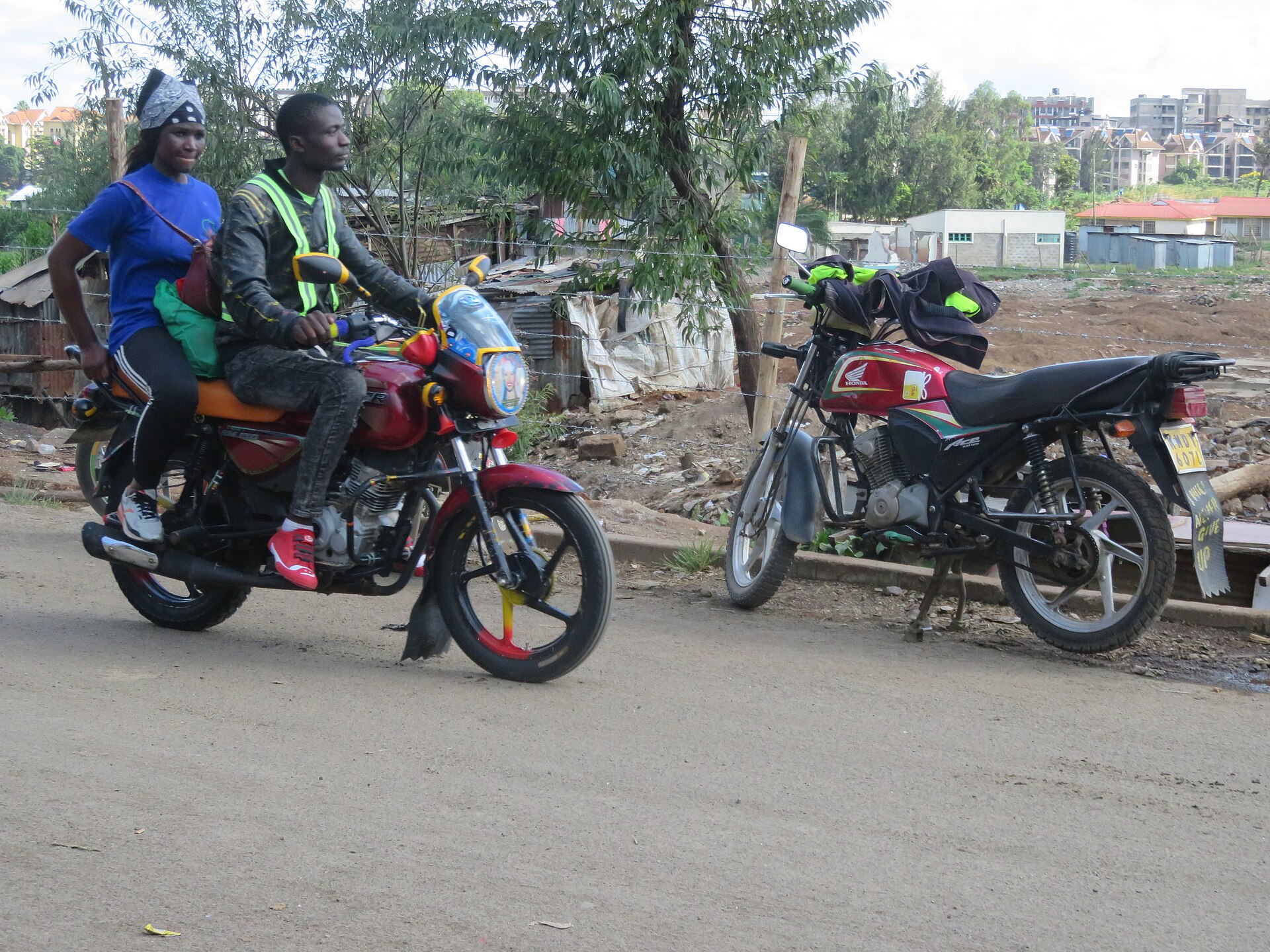
The first plant would assemble 50,000 four-wheel vehicles a year, according to The Star, The Standard and KBC. A second facility would build 100,000 two-wheelers and other light electric vehicles a year.
The package also lists 1,000 solar-powered charging hubs and a digital platform to manage up to 100,000 green vehicles. Officials projected about 2,000 direct jobs, more than 20,000 indirect jobs and up to 80,000 further roles in fleet services.
For scale, 50,000 vehicles a year is modest by global standards. A single large assembly plant in the United States often builds several hundred thousand vehicles a year.
The deal is also large for Kenya. In September 2025, a UAE-backed firm, Aquilastar, began building a KSh19.4 billion (about US$150 million) electric vehicle plant at Olkaria.
That project, backed by the Alsayegh Group, also targets 50,000 units a year, Business Daily reported. The new electric vehicle deal is about 20 times larger in money terms and also covers charging and software.
Why Kenya Wants to Build Its Own Cars
Ruto presented the project as a way to cut the import bill. “For decades, Kenya has imported the fuel that runs our vehicles, and the vehicles that burn that fuel,” he said.
Kenya has refined no crude oil since its Mombasa refinery stopped processing in 2013, so its petrol and diesel come from abroad. Most cars on its roads are used imports, many shipped from Japan.
Electric transport already has a foothold in Nairobi. Start-ups such as BasiGo, which runs electric buses, and Roam, which makes electric motorcycles, operate in the capital.
In May, Ruto declared that the first 100,000 imported electric vehicles would be duty-free. He also said the government was buying 3,000 electric vehicles for security and administration officers.
Ruto said Kenya wants to manufacture for East Africa and the wider continent, not only for its home market. Vehicles meeting the rules of the East African Community, an eight-country trade bloc, could be sold region-wide, The Star noted.
What It Means for US Readers
Geely’s role places the electric vehicle deal inside the wider contest between Chinese and Western carmakers. Chinese-made electric cars face US tariffs of at least 100%, and Chinese brands are pushing into Africa, Latin America and Asia instead.
Geely also has a direct US footprint. Its Volvo Cars unit builds the EX90 electric SUV at a plant in Ridgeville, South Carolina.
Kenya is a major non-NATO ally of the United States, a status President Joe Biden granted in 2024. China, for its part, financed Kenya’s Mombasa–Nairobi railway, so the two powers already compete for influence there.
The African Growth and Opportunity Act (AGOA) is a US law granting many African goods duty-free entry. A US spending law extended it in September to 31 December 2028, according to the bill text and The Standard.
What Is Not Known
Endelevu’s country of registration, owners and track record have not been disclosed. Whether Geely will put in its own money is also unclear.
No county, site or special economic zone has been named for either plant. Ruto directed the Ministry of Investments, Trade and Industry, through its investment promotion agency, to coordinate approvals, land and infrastructure.
No timeline for construction or production was given, and the financing structure is unknown. The text of the memorandum has not been published.
Kenyan outlets converted the US$3 billion figure into between KSh389 billion and KSh390 billion, depending on the exchange rate. Conversions here use exchange rates of 5 October 2026.
What Comes Next
Ruto said the parties must now move “from signature to definitive agreements, from agreements to groundbreaking, and from groundbreaking to production.” Binding contracts, a site and a groundbreaking date would be the next concrete signs of progress.
The electric vehicle deal does not yet mean a factory is certain. Nor does it mean Kenyan-made electric cars will reach showrooms soon.
Frequently Asked Questions
Who is Geely?
Geely is a Chinese carmaker based in Hangzhou that controls Sweden’s Volvo Cars. In Kenya it is named as the partner of Endelevu Enterprise Corporation, the company that signed the memorandum.
Is the deal legally binding?
It is a memorandum of understanding, a document that usually records intent rather than firm obligations. President Ruto said definitive agreements still have to follow.
Where will the plants be built?
No location has been announced. The president asked the trade ministry and its investment agency to arrange approvals, land and infrastructure.
Does Kenya already make vehicles?
Kenya assembles some buses, trucks and other vehicles from imported kits, but most cars on its roads are imported second-hand. Local start-ups already build electric motorcycles and run electric buses in Nairobi.
Why does this matter to the United States?
Kenya is a major non-NATO US ally, while Chinese electric cars face US tariffs of at least 100%. The deal shows Chinese carmakers expanding where Washington also seeks influence.
Sources: Presidential Communication Service statement via KBC (Kenya Broadcasting Corporation); Office of the President, Kenya (22 May 2026); US Congress, H.R. 6500 enrolled text; The Star; The Standard; Citizen Digital; Business Daily; The Standard (AGOA) (all accessed 6 October 2026).
This article was produced by The Rio Times’ automated newsroom system. How we use AI · Report an error · Editorial responsibility: Matthias Camenzind, Editor-in-Chief