Dominican Rice Farmers Say US Imports Risk 300,000 Jobs

DOMINICAN REPUBLIC · TRADE
Key Facts
- —The country The Dominican Republic shares Hispaniola with Haiti, trades with the US under the CAFTA-DR free-trade pact and eats rice daily.
- —What happened On Tuesday 6 October, Dominican rice farmers and farm groups warned that the end of rice import tariffs will depress prices and bankrupt producers.
- —Why it matters The repeal, sought by Washington, gives US rice freer access to a market the US Department of Agriculture estimates at 650,000 tonnes a year.
- —The trigger Decree 635-26, signed on Wednesday 9 September and first reported on Monday 5 October, scrapped rules that charged up to 99% on imported rice.
- —The numbers Farm groups count about 30,000 rice producers and more than 300,000 direct and indirect jobs that could be affected.
- —The government Agriculture Minister Oliverio Espaillat said the commitment to Dominican rice remains firm and announced a National Palace meeting for Tuesday afternoon.
- —Still open No support plan for Dominican rice farmers, no replacement rice tariff and no result from the palace meeting had been announced by Tuesday afternoon.
Dominican rice farmers warned on Tuesday 6 October that the end of tariffs shielding them from US rice will depress prices and bankrupt growers. The repeal, sought by Washington, gives US rice exporters freer access to a staple market of about 650,000 tonnes a year.
Marcelo Reyes Jorge, a leader of the national rice growers’ federation, called the measure a “ciclón batatero” for Dominican farming. Agriculture Minister Oliverio Espaillat replied that the government will not abandon rice growers and announced a meeting at the National Palace.
What the Rice Farmers Warned
Reyes Jorge spoke for Dominican rice farmers on Tuesday morning on Matinal, a programme of the broadcaster Telemicro. He represents growers in the northern Cibao region and sits on the board of Fenarroz, the National Federation of Rice Producers.
If the trade pact is applied as written, he said, the result “will be a ciclón batatero for the entire national agricultural system”. The Dominican expression describes a low, powerful storm that tears even sweet potatoes out of the ground.
Reyes Jorge argued that imported rice will depress prices and drive producers into bankruptcy. “It is very difficult to compete with US subsidies,” he said, according to El Día.
He also warned of a knock-on effect beyond rice. If the 1.3 million tareas under rice, roughly 200,000 acres, switch to plantain, cassava or sweet potato, those prices would fall too.
He said more than 300,000 people live from rice and that the sector will call an emergency meeting.
Fenarroz president Marcos Rodríguez told El Día that growers will meet on Wednesday 7 October in San Francisco de Macorís, a Cibao city. They will draft a paper setting out the sector’s position and then make it public.
Farm Groups Demand Answers and a Plan
The National Confederation of Agricultural Producers (Confenagro), a farm lobby, called the repeal a blow to national rice production on Tuesday. It urged the government to explain how it will protect producers and keep rice supplies flowing, El Nacional and Acento reported.
Confenagro noted that the old decree was to stay in force until CONASSAN recommended otherwise. CONASSAN is the national food security council, which by law can recommend import curbs on sensitive foods.
Confenagro asked whether the council had recommended the repeal and called for the documents behind it to be published. It counts about 30,000 rice producers and more than 300,000 direct and indirect jobs.
It proposed an urgent working table with farm organisations and a programme to modernise rice farming. That plan would cover machinery, efficient irrigation, credit, technical help and marketing, with set targets, budgets and deadlines.
Rice millers struck a calmer note. Heraldo Suero, director of the Dominican Association of Rice Mills (ADOFA), said the mills trust Abinader to defend national rice production, the presidency reported.
Suero said the country is negotiating a reciprocal trade agreement with the United States. ADOFA is waiting for the authorities to define and publish the mechanism that will protect Dominican rice in those talks, he said.
The Government Says It Will Not Abandon Growers
Agriculture Minister Oliverio Espaillat answered on Tuesday on the radio programme Ahora por la Super Siete, Proceso reported. He rejected the idea that the repeal means abandoning rice farmers.
“On the contrary, the commitment to Dominican rice remains firm,” he said. It must now be pursued “with more intelligence, more planning and more institutional strength,” he added.
Espaillat said President Luis Abinader is fully aware of what national rice production means. Abinader, of the centre-left Modern Revolutionary Party (PRM), has governed since 2020.
Espaillat said a meeting at the National Palace, the presidential seat in Santo Domingo, would take up the situation that afternoon. In April, Abinader met Fenarroz, ADOFA and other rice groups, and they discussed strengthening the crop pledge system, the presidency said.
The opposition was harsher. Adriano Sánchez Roa is farm secretary of the Dominican Liberation Party (PLD), which held the presidency from 2004 to 2020.
He called the 2024 decree a “propaganda botch”, El Faro reported. “What is at stake is not only the price of a pound of rice,” he said, but also the country’s sovereignty and food security.
Why Washington Wanted the Tariff Gone
CAFTA-DR is the 2004 free-trade agreement linking the United States, five Central American countries and the Dominican Republic. Under it, US rice was set to enjoy duty-free and unlimited access from 1 January 2025, the USDA said.
In 2024, the last year of the phase-out, US rice above the duty-free quota paid 11.9% until imports reached 30,290 tonnes. Beyond that, a safeguard tariff of 55.4% could apply.
Instead, Decree 693-24 of Tuesday 17 December 2024 capped duty-free US rice at a quota of 23,300 tonnes. A further 17,810 tonnes could enter at 20% under the World Trade Organization quota, and anything beyond paid 99%.
The USDA said the US quota covered less than 4% of Dominican rice consumption and said the rules appeared inconsistent with the trade pact. The Office of the US Trade Representative (USTR) asked for the repeal in public on Friday 11 September, El Nacional reported.
Abinader had signed Decree 635-26 two days earlier, on Wednesday 9 September, and Dominican newspapers first reported it on Monday 5 October. The repeal itself is covered in Dominican Republic Drops 99% Rice Tariff After US Push.
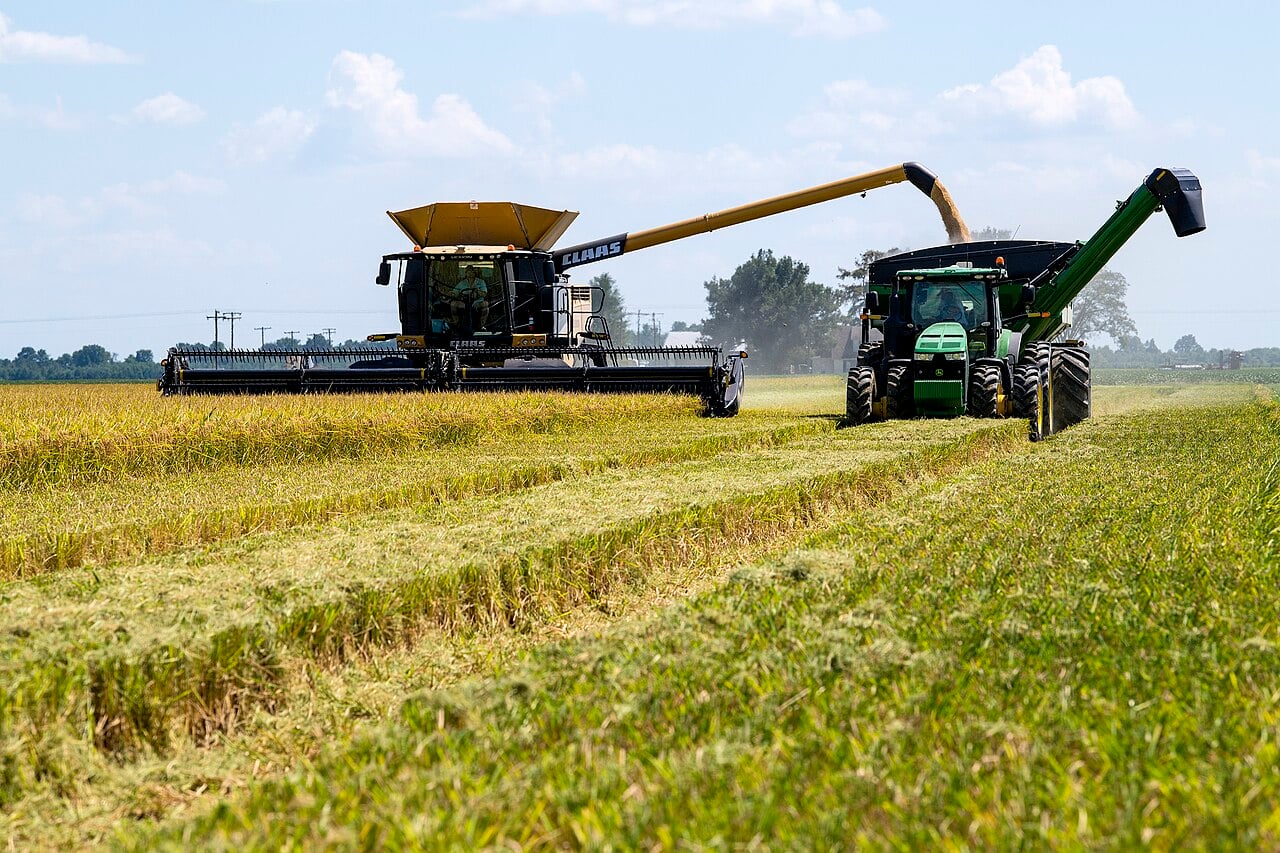
What It Means for You
For US rice growers and exporters, a capped market becomes an open one. Some 40% to 45% of the US rice crop is exported, the USDA’s Economic Research Service says.
Arkansas alone grows 56% to 58% of the US long-grain crop, according to the same service. Southwest Louisiana and Texas make up the Gulf Coast rice region, it adds.
US rice exports to the Dominican Republic rose 102% in 2024, to US$45.6 million year to date, industry group USA Rice reported. By October 2024, the United States supplied 46% of Dominican rice imports, or 52,414 tonnes, the USDA said.
Louisiana rice miller Bobby Hanks, then chair of the trade policy committee of USA Rice, criticised the 2024 curbs at the time. “The spirit and purpose of the CAFTA-DR was to provide a reliable environment for long-term investment opportunities,” he said.
For residents and visitors, rice is the daily staple, and the USDA values yearly consumption at US$450 million to US$500 million. Dominican rice farmers expect lower prices at the farm gate, but no change in shop prices has been announced.
Local supply remains large. The USDA says Dominican rice farmers have historically grown 550,000 to 600,000 tonnes a year, close to what the country eats.
What Is Not Known
The result of the National Palace meeting had not been announced by Tuesday afternoon in Santo Domingo. Nor has the government said whether it will offer growers credit, price support or irrigation money.
It is unclear which tariff customs now applies to rice from suppliers other than the United States. Whether CONASSAN backed the repeal, as Confenagro asked, has not been made public.
What Dominican rice farmers will demand after their Wednesday meeting is not yet known. How fast US shipments will grow, and whether the trade talks with Washington will add new terms for rice, is also open.
More: Dominican Republic news in English, every day from The Rio Times.
Frequently Asked Questions
What is a “ciclón batatero”?
It is a Dominican expression for a low, powerful storm that can tear sweet potatoes out of the ground. Marcelo Reyes Jorge used it on 6 October to describe what the end of the rice tariff means for Dominican rice farmers.
Why did the Dominican Republic drop its rice tariff?
President Luis Abinader repealed Decree 693-24 with Decree 635-26 on 9 September 2026. Washington argued that the old rules blocked the free access for US rice promised under the CAFTA-DR trade agreement.
Who gains in the United States?
US rice growers and exporters, including in Arkansas and Louisiana, gain freer access to a market of about 650,000 tonnes a year. US rice exports to the country rose 102% in 2024, to US$45.6 million year to date, according to USA Rice.
What do Dominican rice farmers want now?
Confenagro, a farm lobby, wants the government to explain its plans, an urgent working table and help with machinery, irrigation, credit and technical advice. Dominican rice farmers also want to know whether the CONASSAN food security council approved the repeal.
Sources: Noticias Telemicro (Matinal), 6 October 2026; USDA Foreign Agricultural Service, GAIN report DR2025-0001, 30 January 2025; USDA Economic Research Service, Rice Sector at a Glance, accessed 6 October 2026; Presidencia de la República Dominicana (ADOFA statement), 6 October 2026; Presidencia de la República Dominicana, 24 April 2026; USA Rice Daily, 13 January 2025; El Día, 6 October 2026; Proceso (Oliverio Espaillat), 6 October 2026; El Faro (Adriano Sánchez Roa), 6 October 2026; El Nacional, 5 October 2026; Acento (Confenagro), 6 October 2026; El Nacional (Confenagro and ADOFA), 6 October 2026; El Día (Marcos Rodríguez, Fenarroz), 6 October 2026.
This article was produced by The Rio Times’ automated newsroom system. How we use AI · Report an error · Editorial responsibility: Matthias Camenzind, Editor-in-Chief