Asia Intelligence Brief — Wednesday, October 21, 2026
Executive Summary
Asia Intelligence Brief, October 21: Bank Indonesia holds at 5.75%, while Seoul and Manila are expected to raise rates by 25 basis points.
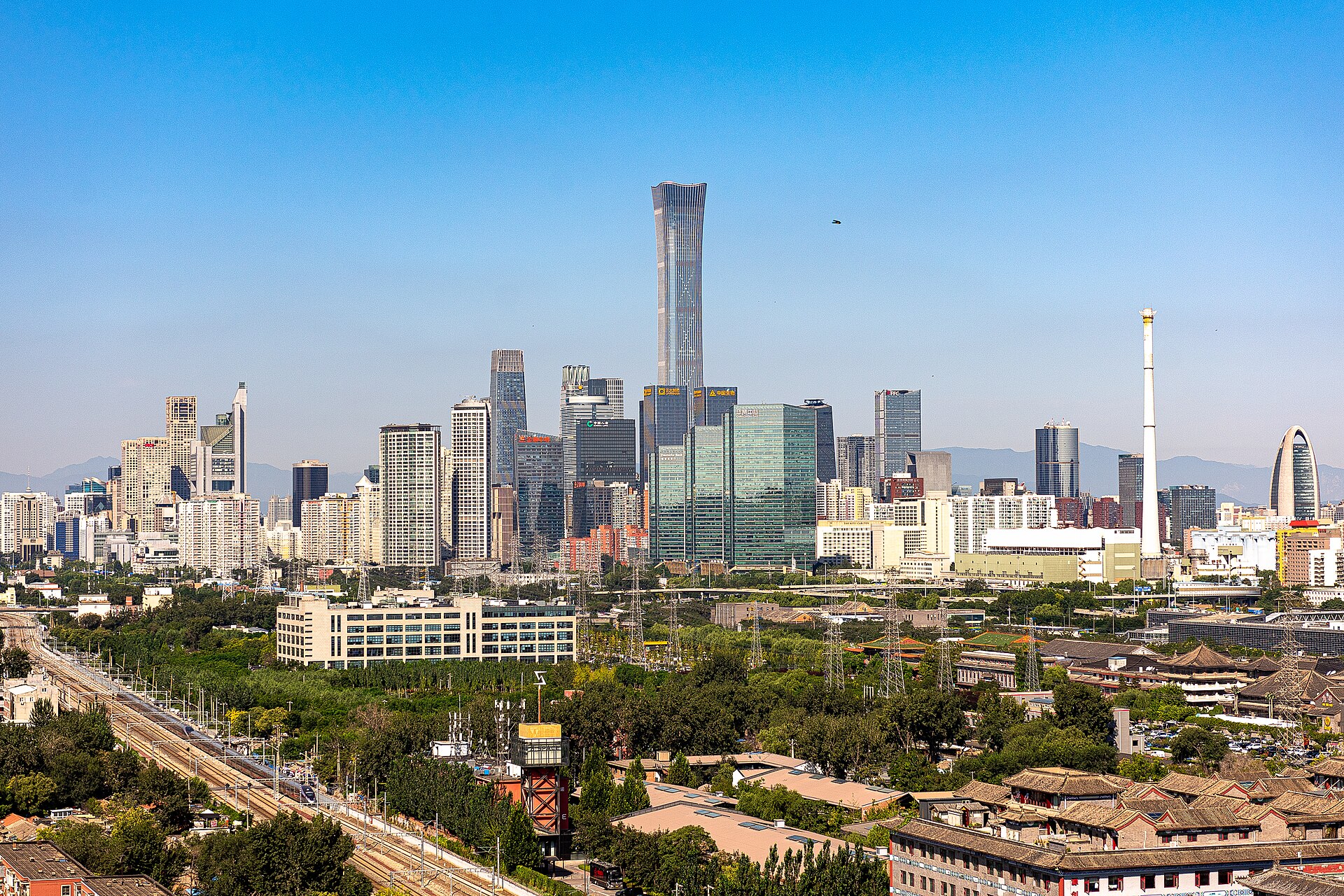
Asia’s mood on Wednesday is one of central banks adjusting their tools while the region waits for a run of inflation and business-survey data. Bank Indonesia held its main rate and changed two liquidity settings, and markets now look to Seoul and Manila, where increases of 25 basis points are expected.
The register is guarded and technical, with officials using small, targeted steps rather than large declarations. For a US reader, these decisions matter because they shape Asian currencies, the cost of capital for companies selling into American markets, and the pricing of Asian assets held by US funds.
The through-line is calibration: tighten at the edges, support liquidity where needed, and wait for the data. What is not yet known is whether the expected increases in South Korea and the Philippines will be confirmed, and what the coming inflation readings will show.
Key Facts
Indonesia policy. Bank Indonesia held its main rate at 5.75 per cent for a fourth review and raised its deposit rate to 5 per cent.
Indonesia liquidity. Bank Indonesia cut banks’ reserve requirements by 2 percentage points to support liquidity and lending.
South Korea. The Bank of Korea is expected to raise its rate by 25 basis points to 3 per cent on Wednesday, 21 October, at 9:00 p.m. ET.
Philippines. The central bank is forecast to raise its rate to 5.25 per cent from 5 per cent on 22 October.
New Zealand. Third-quarter inflation is forecast at 3.8 per cent year on year, down from 4.1 per cent, on Wednesday, 21 October, at 5:45 p.m. ET.
Indonesia: Calibrating Liquidity Without Cutting
Bank Indonesia held its main policy rate at 5.75 per cent on 21 October, the fourth review in a row without a change. At the same time it raised its deposit-facility rate by 25 basis points to 5 per cent, where one basis point is one hundredth of a percentage point.
It also cut banks’ reserve requirements by 2 percentage points, which frees cash that lenders would otherwise hold at the central bank. Together the steps support liquidity and lending without a headline rate cut.
For a US reader, the mix shows how an emerging-market central bank can ease funding conditions while keeping its main rate as an anchor. It is a measured adjustment rather than a turn toward easing.
What is not known from the decision itself is how quickly banks will pass the extra liquidity into loans. Whether the hold becomes a longer pause is also not yet clear.
South Korea: A Second Increase Expected
The Bank of Korea is expected to raise its rate by 25 basis points to 3 per cent when it decides on Wednesday, 21 October, at 9:00 p.m. ET, which is Thursday morning in Seoul. That would follow the July increase to 2.75 per cent.
For a US reader, a second increase would show that Seoul is still tightening, which matters for the won and for Korean companies that borrow in dollars. The decision date is confirmed, but the outcome remains a forecast until the bank announces it.
Philippines: Another Quarter Point Forecast
The Philippine central bank is forecast to raise its rate by 25 basis points to 5.25 per cent from 5 per cent on Thursday, 22 October, at 2:30 a.m. ET. The previous increase, to 5 per cent, came in late August.
For a US reader, the decision matters for the peso and for borrowing costs in one of Southeast Asia’s larger economies. Until the announcement, the move is a forecast and not a result.
Inflation And Business Surveys: A Data-Heavy Week
New Zealand reports third-quarter inflation on Wednesday at 5:45 p.m. ET, with a forecast of 3.8 per cent, down from 4.1 per cent. Japan follows on Thursday at 7:30 p.m. ET with core inflation forecast at 2.1 per cent, up from 1.7 per cent.
Australia’s S&P Global composite PMI, a business-activity survey in which 50 separates growth from contraction, is forecast at 50.5 for October, down from 51.3, on Thursday at 6:00 p.m. ET. India’s HSBC manufacturing PMI is forecast at 55.4, up from 55.1, on Friday at 1:00 a.m. ET.
For a US reader, these readings show whether inflation is cooling in New Zealand and firming in Japan, and whether activity is holding up in Australia and India. All of them are forecasts until the figures are released.
What This Means From Latin America
Asian central-bank decisions and activity surveys shape the financing conditions and demand of the commodity buyers that Latin American exporters rely on. An Indian manufacturing PMI at the forecast 55.4 would point to steady factory activity in one large buyer.
Higher rates in Seoul and Manila, if they arrive as expected, would also signal that Asian policymakers are not rushing to ease. Latin American exporters and investors should watch these decisions alongside the data releases listed below.
What We Are Watching
- Wednesday, 21 October, 5:45 p.m. ET: New Zealand inflation rate — Third-quarter inflation is forecast at 3.8 per cent year on year, down from 4.1 per cent. The reading will show whether price pressures are easing fast enough to give the Reserve Bank room to adjust policy.
- Wednesday, 21 October, 9:00 p.m. ET: South Korea interest rate decision — The Bank of Korea is expected to raise its rate by 25 basis points to 3 per cent. The stance will signal whether Seoul sees the technology rebound as durable or vulnerable to renewed volatility.
- Thursday, 22 October, 2:30 a.m. ET: Philippines interest rate decision — The central bank is forecast to raise its rate by 25 basis points to 5.25 per cent from 5 per cent. The decision will reveal how Manila balances inflation risk with support for domestic demand.
- Thursday, 22 October, 7:30 p.m. ET: Japan core inflation rate — Core inflation is forecast at 2.1 per cent, up from 1.7 per cent. The figure will test whether price pressures are broadening enough to shift Bank of Japan policy expectations.
- Friday, 23 October, 1:00 a.m. ET: India HSBC manufacturing PMI — The October reading is forecast at 55.4, up from 55.1. The survey will indicate whether Indian industrial momentum is holding up amid regional trade and energy pressures.
Frequently Asked Questions
How is Indonesia supporting its economy without cutting rates?
Bank Indonesia held its main policy rate at 5.75 per cent for a fourth consecutive review while raising the deposit-facility rate by 25 basis points to 5 per cent and reducing banks’ reserve requirements by 2 percentage points. The measures are intended to support liquidity and lending while keeping the overall policy stance steady.
Is the Bank of Korea expected to raise rates?
Yes, the Bank of Korea is expected to raise its rate by 25 basis points to 3 per cent on Wednesday, 21 October, at 9:00 p.m. ET. The July increase took the rate to 2.75 per cent, and the October outcome remains a forecast until the announcement.
What is expected from the Philippine central bank?
The central bank is forecast to raise its rate to 5.25 per cent from 5 per cent on 22 October. The previous increase, to 5 per cent, came in late August.
Which data releases matter this week?
New Zealand’s third-quarter inflation is due on 21 October (forecast 3.8 per cent, previous 4.1 per cent), and Japan’s core inflation on 22 October (forecast 2.1 per cent, previous 1.7 per cent). Australia’s composite PMI is forecast at 50.5 and India’s manufacturing PMI at 55.4, due on 22 and 23 October.
This article was produced by The Rio Times’ automated newsroom system. How we use AI · Report an error · Editorial responsibility: Matthias Camenzind, Editor-in-Chief
LatAm Markets: Live Signals → — real-time movers, turnover leaders and FX across Latin America.