Argentina · DIPLOMACY
Key Facts
- —Dates The delegation runs from Tuesday 1 to Thursday 3 September 2026.
- —Agenda Foreign Minister Mauro Vieira and Vice-Foreign Minister María Laura Da Rocha at Itamaraty, José Guimarães at the Planalto, and the Senate foreign relations committee.
- —Motivation Deputies say they are distancing themselves from Milei’s insults toward Lula.
- —Declaration A resolution tabled by Nicolás Massot on 26 August condemned the insults; the Chamber did not adopt it, the motion falling short of the votes needed.
- —Context Brazil is Argentina’s largest trading partner: Argentina’s statistics agency puts first-half 2026 exports to Brazil at US$6.25 billion and imports at US$7.65 billion.
- —The catch The Milei government did not back the trip, and each legislator paid their own way.
A group of opposition legislators is in Brasília this week. Their message is that Javier Milei’s stance toward Brazil does not speak for all of Argentina.
A group of opposition legislators has travelled to Brasília to thaw ties with President Lula. Eight deputies made the trip, led by Nicolás Massot of Encuentro Federal.
With him went Germán Martínez, Victoria Tolosa Paz, Oscar Herrera Ahuad, Eduardo Falcone, Esteban Paulón, Martín Lousteau and Maximiliano Ferraro.
Massot said the delegation would travel between Tuesday 1 and Thursday 3 September. The Milei government did not back the trip, and each legislator paid their own way.
What the Argentine Deputies Are Doing
The Argentine deputies frame their visit as parliamentary diplomacy, a term for legislators conducting foreign contacts in parallel to the executive. This approach carries no treaty power, but it signals that a government’s line is contested at home.
Nicolás Massot said they are travelling to hold meetings within that framework. He adds that Milei’s position on Lula is a minority view in Argentina.
In short, the trip is a direct counter to the presidential insults.
The government sees it differently. Foreign Minister Pablo Quirno and Chamber president Martín Menem both kept their distance from it.
No governing La Libertad Avanza legislator travelled.
Nor was the criticism confined to the ruling bloc. Some Unión por la Patria deputies called the move unilateral and said such contacts should run through established institutional channels.
Each participant paid their own costs; this is not a mission of the Chamber.
Agenda in Brasília
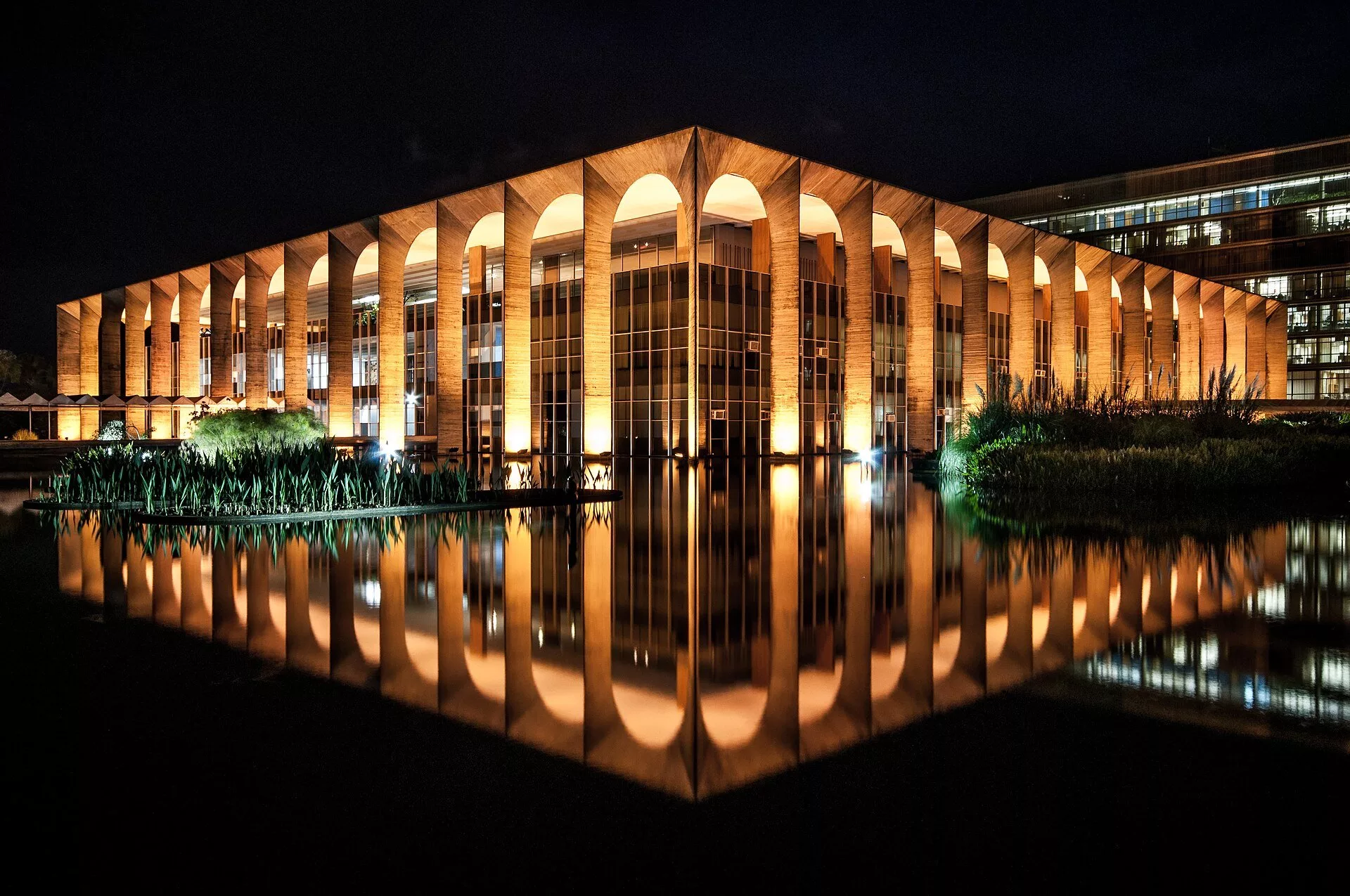
The delegation met Brazilian Foreign Minister Mauro Vieira at Itamaraty, the foreign ministry, and Vice-Foreign Minister María Laura Da Rocha. At the Planalto palace it saw José Guimarães, minister-chief of the Secretariat for Institutional Relations.
In the Senate it met the Foreign Relations and National Defence Committee and the Brazil-Argentina Parliamentary Group. Senator Nelsinho Trad of the PSD chairs both; he backs the government but is not in Lula’s party.
These are high-level contacts, though they stop short of executive negotiations. Meanwhile, the delegation hopes to strengthen institutional dialogue between the two parliaments.
They also want to advance an agenda of reciprocal visits, which could lay groundwork for future exchanges.
Distancing From Milei’s Insults
The deputies present the trip as distancing themselves from President Javier Milei’s insults directed at President Lula. On 25 July 2026 Milei spoke at the Liberal Party convention in São Paulo that nominated Flávio Bolsonaro.
He called Lula a convict and Supreme Court justice Alexandre de Moraes bald garbage.
He returned to it in interviews on 2 and 3 August. There he called Lula a thief and corrupt.
Brazil recalled its ambassador, Julio Bitelli, and on 4 August downgraded the relationship to chargé d’affaires level. Argentina’s ambassador in Brasília, Daniel Raimondi, returned to Buenos Aires, and the Milei government has not retracted the remarks.
As a result, the visit is an effort to recompose or unfreeze the bilateral relationship. It shows that not all of Argentina’s political class shares the president’s confrontational style.
A Declaration of Strategic Ties
The delegation links its mission to a resolution Massot tabled after the São Paulo speech. It condemned the insults and called Argentina-Brazil ties strategic.
The Chamber never adopted it. Massot moved it from the floor on 26 August, during a session on the central bank’s charter.
The motion to take it up fell short of the votes needed, with the governing bloc against.
The trip therefore carries no parliamentary mandate. Foreign Minister Pablo Quirno and Chamber president Martín Menem both declined to associate themselves with it.
No governing legislator travelled.
Why Brazil Matters to Argentina
Brazil is Argentina’s largest trading partner, which is why a rupture at head-of-government level has commercial weight beyond the rhetoric. INDEC, Argentina’s statistics agency, put exports to Brazil at US$6.25 billion in the first half of 2026.
Imports ran at US$7.65 billion, a deficit of about US$1.4 billion.
Every day of frosty relations can affect business, investment, and supply chains.
By contrast, these Argentine deputies are signaling that economic and strategic logic should prevail over personal animosity. Their visit is a reminder that the relationship is bigger than any single leader.
Signals Beyond the Executive
Parliamentary diplomacy is a tool used when executive relations are strained. It allows legislators to keep channels open without committing their governments.
For example, the Argentine deputies can meet Brazilian officials and express goodwill, even as Milei remains at odds with Lula. This dual-track approach is common in international relations.
The Minority View Argument
Massot’s claim is narrower than it sounds. He says the parties taking part hold about 60% of the seats in Congress.
On his account a parliamentary majority opposes what happened.
That is his estimate, not an audited count, and it says nothing about public opinion. The delegation spans several opposition blocs, but the PRO and the Radical Civic Union did not take part.
What the Visit Could Achieve
The stated goals are to reaffirm the strategic and permanent nature of the relationship. They also aim to strengthen institutional dialogue between the two parliaments.
While no agreement or commitment has been announced, the visit itself is a step toward thawing ties. In fact, just showing up can change the tone of a bilateral relationship.
Looking Ahead
After the three-day mission, the Argentine deputies will return home with a clearer picture of Brazilian positions. The hope is that this parliamentary track can help unfreeze the relationship over time.
Overall, the visit underscores that even when presidents clash, parliaments can keep diplomacy alive. For Argentina and Brazil, that may be the most valuable outcome.
Frequently Asked Questions
What is parliamentary diplomacy?
Parliamentary diplomacy means legislators conducting foreign contacts in parallel to the executive. It has no treaty power, but it signals that a government’s line is contested at home.
Why are Argentine deputies visiting Brasília?
They want to thaw ties with Brazil and distance themselves from President Milei’s insults toward Lula. They aim to show that Milei’s position is a minority view in Argentina.
Who is Nicolás Massot?
He is a deputy for Buenos Aires province in the Encuentro Federal bloc and the organiser of the trip. He said they are traveling to hold meetings within the framework of parliamentary diplomacy.
What is Itamaraty?
Itamaraty is the Brazilian foreign ministry, named after the palace that houses it. The delegation has meetings scheduled there.
Connected Coverage
- Argentina’s August tax revenue
- Brazil’s second-quarter GDP
Sources: Infobae; Parlamentario; Ámbito; Tiempo Argentino; INDEC; Poder360; CNN Brasil; Senado Federal.
This article was produced by The Rio Times’ automated newsroom system. How we use AI · Report an error · Editorial responsibility: Matthias Camenzind, Editor-in-Chief