Brazil Is Helping Angola Write a New Military Penal Code
Angola · DEFENSE
Key Facts
- —What happened Angola and Brazil are reinforcing military justice cooperation through support for Angola’s draft Military Penal Code and Military Criminal Procedure Code.
- —How it works Brazil’s Military Public Prosecutor’s Office is providing exchanges, technical know-how, seminars and joint training for Angolan magistrates.
- —The wider frame The cooperation sits inside Lusophone diplomacy and South Atlantic security, including Brazil-Angola defense talks on the Zone of Peace and Cooperation of the South Atlantic.
- —Earlier steps A formal Agreement on Security and Internal Order was signed in Luanda on 12 December 2019, and a bilateral memorandum on police cooperation was signed in Brasília on 23 May 2025.
- —Why it matters Angola is diversifying partners beyond traditional Western ties while using Brazil’s legal and military expertise to modernize its security institutions.
Brazil is helping Angola write a new military penal code and train its military magistrates. It is the quietest strand of a widening security relationship.
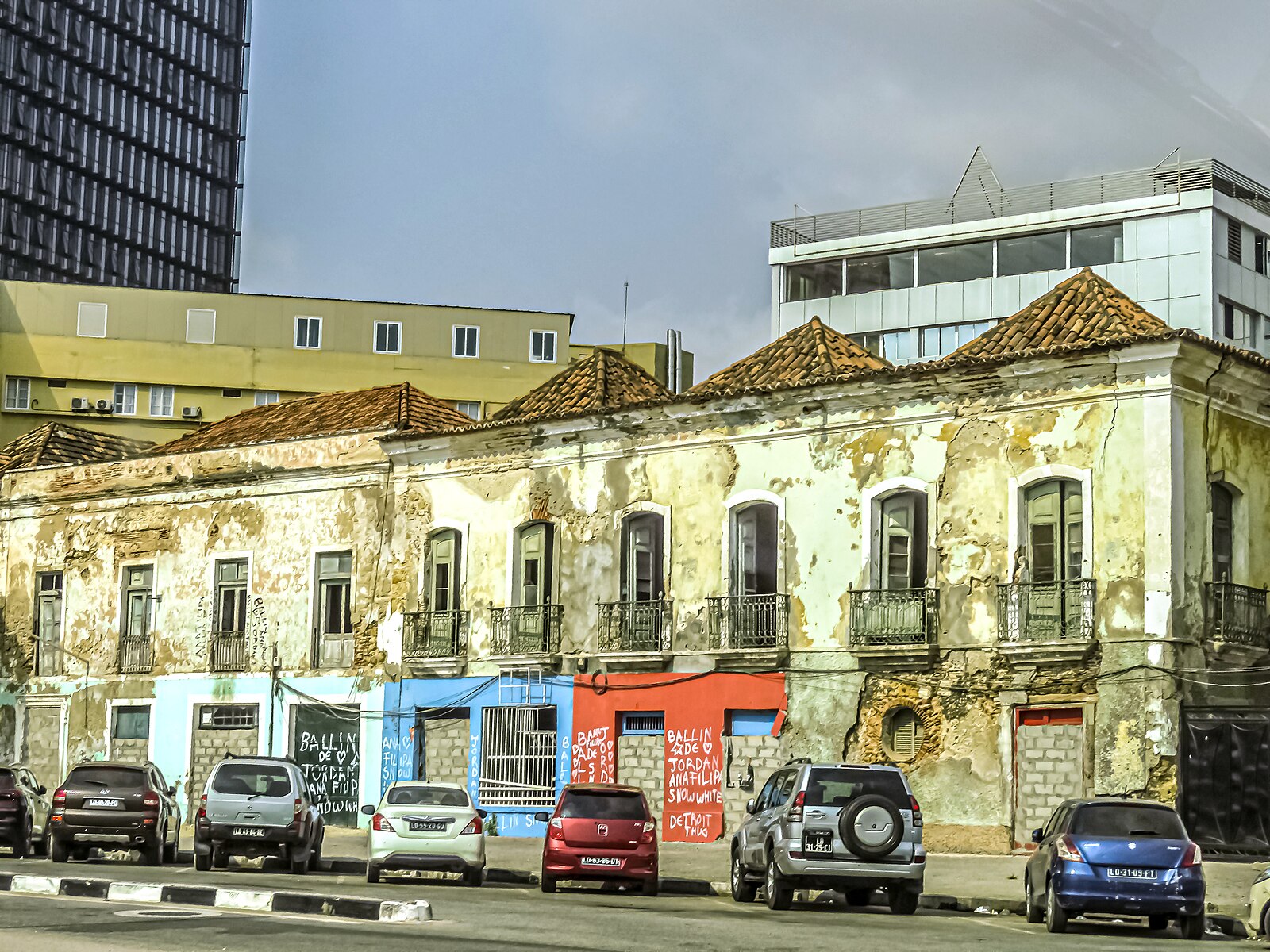
Angola’s ambassador in Brasilia, Manuel Eduardo dos Santos e Silva Bravo, met Brazil’s military prosecution service on 20 January 2026. The meeting was to advance a cooperation instrument with Angola’s military justice system.
What the military justice cooperation covers
The latest reported channel involves cooperation between Brazil’s military justice bodies and Angola’s counterparts. Brazil’s Military Public Prosecutor’s Office has said the relationship supports institutional strengthening through exchanges, technical know-how, seminars and joint training.
A central element is Brazilian assistance with Angola’s draft Military Penal Code and Military Criminal Procedure Code. The work also includes training for Angolan magistrates who will apply the new legal framework once it is enacted.
The cooperation is not a single event but an ongoing institutional relationship. It builds on years of defense and justice sector engagement between the two Portuguese-speaking countries.
A foundation of formal agreements
The military justice channel rests on a foundation of bilateral accords. Angola and Brazil signed a formal Agreement on Security and Internal Order in Luanda on 12 December 2019.
More recently, the two governments signed a bilateral memorandum on police cooperation in Brasília on 23 May 2025. That memorandum linked Brazil’s Federal Police with Angola’s National Police.
These agreements provide the legal and diplomatic scaffolding for the current military justice work. They also signal sustained political will on both sides of the Atlantic.
The South Atlantic strategic frame
The cooperation sits inside Lusophone diplomacy and South Atlantic security. Brazil and Angola have held defense talks on the Zone of Peace and Cooperation of the South Atlantic, known as ZOPACAS.
ZOPACAS brings together South American and African states bordering the South Atlantic. It aims to keep the ocean free of nuclear weapons and reduce great-power military competition in the region.
For Angola, the partnership offers access to Brazil’s legal, military and technical expertise as Luanda modernizes its security institutions. For Brazil, it reinforces a longstanding role as a security partner for Portuguese-speaking Africa.
Angola’s partner diversification strategy
The military justice cooperation reflects Angola’s effort to diversify partners beyond traditional Western ties. Luanda has sought to balance relationships with the United States, China, Europe and fellow Lusophone nations.
Brazil offers a politically palatable option: a large developing-world democracy with a shared language and no colonial baggage in Angola. That makes it an attractive source of legal and military training.
The cooperation also fits the broader South-South and BRICS-linked thread that runs through Angola’s foreign policy. Angola has deepened ties with emerging powers while maintaining pragmatic relations with established ones.
What the cooperation means for investors and professionals
For investors and professionals watching Angola, the military justice work signals a broader institutional modernization agenda. Stronger military legal frameworks can reduce arbitrary decision-making and improve governance inside the security sector.
The Brazil-Angola channel also points to growing South Atlantic economic and security integration. That integration can create opportunities for legal, technical and defense-related services.
The cooperation is one piece of a wider scramble for influence and resources across Africa. It connects to the strategic competition covered in Africa: The New Scramble.
What to watch next
The next concrete milestone will be progress on Angola’s draft Military Penal Code and Military Criminal Procedure Code. Enactment of those codes would mark a significant step in the military justice modernization effort.
Further training exchanges and seminars between Brazilian and Angolan military justice institutions are likely. The relationship has momentum and formal backing from both governments.
Watch also for any new bilateral agreements during high-level visits. The 2019 and 2025 accords suggest a pattern of signing security instruments when leaders meet.
Frequently Asked Questions
What is Angola and Brazil cooperating on in military justice?
Brazil is helping Angola draft a new Military Penal Code, and training its military magistrates. The instrument is an addendum signed in Luanda on 2 May 2023.
When did Angola and Brazil sign their key security agreements?
They signed an Agreement on Security and Internal Order in Luanda on 12 December 2019. Brazil’s congress has not yet ratified it.
Why does this military justice cooperation matter strategically?
It sits inside Lusophone diplomacy and South Atlantic security. Angola belongs to the Zone of Peace and Cooperation of the South Atlantic, which Brazil now chairs.
Connected Coverage
Sources
This article was produced by The Rio Times’ automated newsroom system. How we use AI · Report an error
Read More from The Rio Times