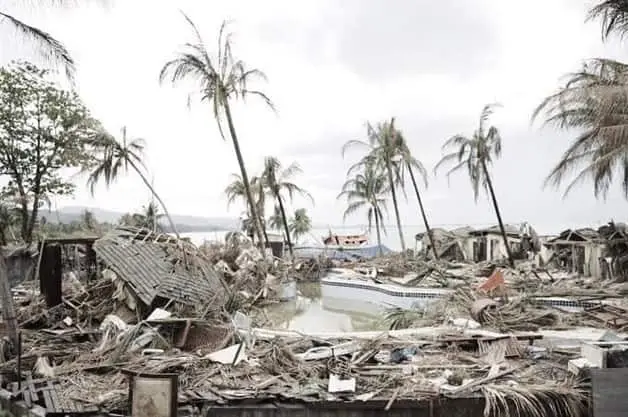
Hurricane Otis, a Category 5 storm, struck Acapulco, with social media images revealing widespread damage.
Buildings lay in ruins, glass windows shattered, and fallen trees blocked important roads. People, including tourists, faced severe difficulties.
Some tried to leave the city by dragging their luggage through debris-filled streets.
The coastal region from Acapulco to Zihuatanejo became isolated. Strong waves stopped rescue boats from docking.
Nearby, a military convoy got stuck in the state capital, Chilpancingo. The reason? Landslides and overflowing rivers blocked their way.
Likewise, the airport faced issues, too. Damaged radar and communication systems made flights impossible.
Officials remained unsure about the number of casualties. The destruction also affected the Sierra Madre del Sur.
La costera Miguel Alemán #Acapulco #Otis pic.twitter.com/w31Cnb6wgl
— Danielle Dithurbide (@daniellemx_) October 25, 2023
This mountain range houses vulnerable rural and indigenous communities. Data on damage here remained scant.
Key decision-makers, including military and public security heads, set up an emergency base in Chilpancingo. They couldn’t reach the affected areas directly from Mexico’s capital.
As for the aid convoys, they faced roadblocks. Huge traffic jams and natural barriers stalled their progress.
Military units are working to remove these obstacles. The President, Andrés Manuel López Obrador, mentioned the challenge of communication breakdowns.
Because of these, officials found it hard to estimate casualties or injuries. Most of the city still lacks electricity.
The Federal Electricity Commission reported that 60% of the service is still down.
The unusual warmth of the sea this fall fueled the storm’s power. Despite its speed and destructive path through the Sierra Madre del Sur, Otis later weakened inland.
Now, with more than 7,600 military personnel deployed and specialized units on standby, the focus is on assessing the impact and starting the recovery process.
Acapulco Grapples with Hurricane Otis Aftermath.
More: Mexico news in English, every day from The Rio Times.
This article was produced by The Rio Times’ automated newsroom system. How we use AI · Report an error · Editorial responsibility: Matthias Camenzind, Editor-in-Chief