10 Key Sports Developments in Latin America (September 2, 2025)
This concise roundup ranks today’s biggest Latin American sports developments by continental significance — highlighting championship victories, major transfers, fan upheavals, and strategic moves shaping titles, qualifications, and rivalries across the region.
1. Yago Dora clinches 2025 World Surf League title for Brazil
Key facts: Brazilian surfer Yago Dora won his first WSL championship at Cloudbreak, Fiji on Sept. 1, defeating American Griffin Colapinto 15.66–12.33 in the final and securing Brazil’s eighth men’s world surf crown.
Why picked: A Brazilian capturing a world championship underscores Latin America’s global sporting reach and injects momentum into the nation’s surf scene heading into the World Cup cycle.
2. Saudi Arabia opens “Big Four” clubs to investors, eyes Brazil
Key facts: Saudi Arabia’s government confirmed plans to privatize its top football clubs – Al-Nassr, Al-Ittihad, Al-Hilal, and Al-Ahli – which are currently 75% owned by the state’s PIF sovereign fund.
The Saudi Pro League has aggressively signed stars (João Félix, Kingsley Coman, etc.) and launched Portuguese-language broadcasts, with 26 Brazilian players now in Saudi and Brazilian viewership rivaling domestic levels.
Why picked: This seismic sports-business move abroad has continental significance – Saudi investment and recruitment are reshaping player pipelines from Latin America, while unprecedented outreach to Brazilian fans suggests a looming tug-of-war for talent and audiences.
3. Ángel Correa leaves Atlético Madrid to join Mexico’s Tigres
Key facts: Argentine forward Ángel Correa, 28, is moving to Liga MX after a decade at Atlético. Tigres UANL agreed an €8M + €2M deal for the 2016 Champions League finalist, and both clubs confirmed the transfer.
Why picked: A prime-age La Liga attacker signing with a Mexican giant marks a paradigm shift – boosting Liga MX’s profile as a destination and reflecting the region’s growing financial clout.
It strengthens Tigres for title and CONCACAF contention while signaling to Europe that top Latin talent may now choose marquee clubs at home.
4. Palmeiras debut Brazil-themed kit, reclaim second in Brasileirão
Key facts: São Paulo’s Palmeiras donned a yellow “Seleção” tribute jersey and defeated Sport Recife 3–0 on Aug. 25.
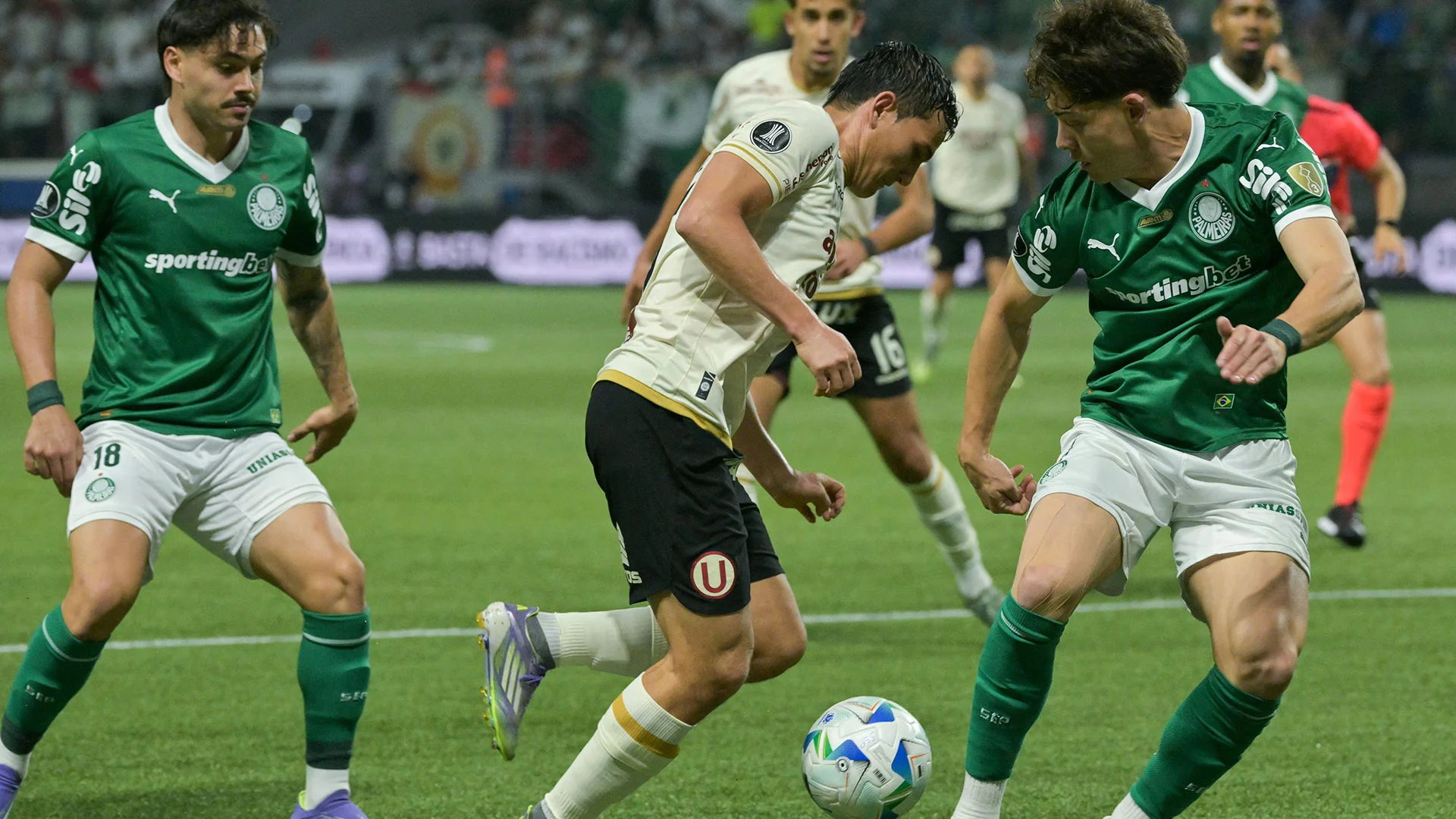
The win, fueled by two goals from Flaco López and one from captain Gustavo Gómez, lifted Palmeiras to 42 points – back into second place – just one point behind leaders Flamengo (43).
Why picked: A historic club embracing national colors amid a victory underlines Palmeiras’ ambitions and momentum in Brazil’s title race.
By halting a skid and closing the gap at the top, the Verdão’s resurgence shapes the championship outlook and sets the stage for an intense run-in.
5. Flamengo stay top of Brazil’s Série A entering international break
Key facts: Defending champions Flamengo maintained a slender lead in the Brasileirão with 43 points after 21 rounds. Despite rivals’ pressure, the Rio side’s depth and form – including a recent 2-0 win over Grêmio – have kept them first in the table.
Why picked: The Brazilian league lead at mid-season carries continental weight. Flamengo’s ability to fend off Palmeiras and others will influence Copa Libertadores qualification slots and reflects the strength of CONMEBOL’s most-watched club, as they juggle domestic duty with looming international cups.
6. Argentine clubs dominate Libertadores quarterfinal lineup
Key facts: All four Argentine entrants – River Plate, Racing Club, Estudiantes (LP), and Vélez Sarsfield – advanced through the Copa Libertadores Round of 16.
They make up half the quarterfinal field, alongside three Brazilian sides and Ecuador’s LDU Quito. Notably, Racing and Vélez will face each other, guaranteeing an Argentine semifinalist.
Why picked: A near-sweep by Argentina’s clubs in South America’s top tournament is apex-level significance. It highlights Argentine football’s depth and raises the stakes in the ongoing Argentina vs. Brazil rivalry, with powerhouses on a collision course for the continental title.
7. Saprissa crashes out of new Concacaf Central American Cup
Key facts: Costa Rican giants Deportivo Saprissa were eliminated in the group stage of the inaugural Concacaf Central American Cup after a 0–0 home draw with Honduras’ Motagua. Motagua topped Group C unbeaten, while Saprissa’s 2-1-1 record left them third on goal difference.
Why picked: A shock early exit for Central America’s most storied club alters the region’s competitive landscape. Saprissa missing out on continental qualification is a major upset, boosting smaller clubs’ hopes and reshuffling the favorites for Concacaf Champions Cup berths.
8. Guadalajara fans boo Chivas as slump deepens in Liga MX
Key facts: Chivas de Guadalajara’s supporters voiced their discontent following the team’s 1-2 home loss to Cruz Azul, which handed Chivas a fourth defeat in seven Apertura matches. Fans at Estadio Akron booed players like Roberto Alvarado (“Piojo”) amid the club’s worst start in years.
Why picked: A crisis at Mexico’s most popular club is a national storyline with continental repercussions. Fan unrest and poor form for Chivas – a perennial TV ratings draw and talent base – put coaching staff on the hot seat and could open the door for rivals in the Liguilla (playoffs) race.
9. Calls to end homophobic chant grow ahead of 2026 World Cup
Key facts: On Sept. 2, Mexican activists and officials renewed appeals for fans to stop the infamous anti-gay goalkeeper chant.
Despite FIFA sanctions in past qualifiers, the chant has persisted at Liga MX and national team games. With Mexico co-hosting the 2026 World Cup, pressure is mounting to change fan behavior.
Why picked: This issue transcends sports. Tackling the discriminatory chant is crucial for Latin America’s image and World Cup readiness.
The campaign signifies a cultural shift attempt in one of the region’s biggest markets, aiming to ensure an inclusive atmosphere (and avoid point deductions) on the road to 2026.
10. Botafogo sign Danilo for €25M in record Brazilian transfer
Key facts: Rio’s Botafogo broke the bank to acquire 22-year-old midfielder Danilo from England’s Nottingham Forest for €25 million. Danilo, a Palmeiras product, returned to Brazil after just one Premier League season.
Why picked: An eye-popping fee by a Brazilian club for a Europe-based talent signals the financial muscle emerging in South America’s leagues.
Botafogo’s ambitious move – likely a national record – boosts their title credentials and reflects a broader trend of top-flight Brazilian teams repatriating players to compete with foreign leagues, redefining regional transfer dynamics.
This article was produced by The Rio Times’ automated newsroom system. How we use AI · Report an error · Editorial responsibility: Matthias Camenzind, Editor-in-Chief
Read More from The Rio Times