IBOV 179,722.48 ▲ 1.30% IPSA 11,315.26 ▼ 1.14% IPC MEX 65,314.78 ▼ 0.18% MERVAL 3,049,455 ▲ 0.51% COLCAP 2,470.26 ▲ 1.86% BVL PERÚ 59,450.29 ▲ 0.11% USD/BRL5.15▼ 0.60% USD/MXN16.99▼ 0.02% USD/CLP936.45▲ 0.24% USD/COP3,155▼ 1.44% USD/PEN3.36▼ 0.18% USD/ARS1,513▲ 0.25% USD/UYU40.24▲ 0.68% USD/PYG5,873▲ 0.47% USD/BOB12.08▲ 3.98% USD/DOP58.56▲ 0.38% USD/CRC446.47▲ 1.09% USD/GTQ7.62▲ 1.63% USD/HNL26.84▲ 1.11% USD/NIO36.62▲ 0.14% USD/VES796.33▼ 0.13% USD/PAB1.00— 0.00% USD/BZD2.00— 0.00% USD/JMD 157.28 — 0.00% USD/TTD6.69▼ 0.06% EUR/BRL5.97▼ 0.61% BRENT 88.88 ▼ 0.03% WTI 83.11 ▼ 0.11% IRON ORE 161.91 — — COPPER 6.61 ▲ 0.03% GOLD 4,461 ▲ 1.78% SILVER 65.59 ▲ 1.26% SOY 1,184 ▲ 3.20% CORN 480.50 ▲ 10.02% WHEAT 655.00 ▲ 3.93% COFFEE 317.25 ▼ 5.51% SUGAR 16.43 ▼ 1.79% ORANGE JUICE 138.55 ▼ 0.47% COTTON 85.03 ▲ 2.33% COCOA 5,719 ▲ 3.18% BEEF 223.60 ▼ 3.93% CATTLE 339.10 ▼ 3.16% LITHIUM 75.20 ▲ 1.47% PETR4 41.64 ▼ 0.05% VALE3 72.97 ▲ 0.83% ITUB4 38.60 ▼ 1.03% BBDC4 16.85 ▲ 0.36% ABEV3 14.89 ▼ 0.80% BBAS3 19.37 ▲ 0.47% B3SA3 14.26 ▼ 0.21% WEGE3 47.59 ▲ 0.49% PRIO3 59.14 ▼ 0.19% SUZB3 41.33 ▲ 2.35% RENT3 34.68 ▼ 0.09% AZZA3 15.89 ▼ 2.63% CSAN3 3.22 ▼ 1.83% RAIZ4 0.25 — 0.00% PCAR3 2.75 ▼ 0.36% GMAT3 3.65 ▼ 1.08% PSSA3 48.13 ▼ 0.54% CVCB3 1.33 ▼ 2.92% POSI3 3.36 ▲ 2.44% SLCE3 13.34 ▲ 0.30% NATU3 8.14 ▼ 0.73% IBOV 179,722.48 ▲ 1.30% IPSA 11,315.26 ▼ 1.14% IPC MEX 65,314.78 ▼ 0.18% MERVAL 3,049,455 ▲ 0.51% COLCAP 2,470.26 ▲ 1.86% BVL PERÚ 59,450.29 ▲ 0.11% USD/BRL 5.16 ▲ 0.01% USD/MXN 17.06 ▼ 0.24% USD/CLP 913.98 ▲ 0.04% USD/COP 3,140 ▲ 0.03% USD/PEN 3.36 ▼ 0.66% USD/ARS 1,493 ▲ 0.10% USD/UYU 40.27 ▲ 1.24% USD/PYG 5,939 ▲ 1.68% USD/BOB 11.64 ▼ 0.76% USD/DOP 58.34 ▲ 1.25% USD/CRC 445.92 ▲ 0.89% USD/GTQ 7.62 ▲ 2.21% USD/HNL 26.79 ▲ 1.57% USD/NIO 36.62 ▲ 0.69% USD/VES 762.44 ▼ 0.13% USD/PAB 1.00 — 0.00% USD/BZD 2.00 — 0.00% USD/JMD 157.28 — 0.00% USD/TTD 6.70 ▲ 0.61% EUR/BRL 5.95 ▲ 1.01% BRENT 88.88 ▼ 0.03% WTI 83.11 ▼ 0.11% IRON ORE 161.91 — — COPPER 6.61 ▲ 0.03% GOLD 4,461 ▲ 1.78% SILVER 65.59 ▲ 1.26% SOY 1,184 ▲ 3.20% CORN 480.50 ▲ 10.02% WHEAT 655.00 ▲ 3.93% COFFEE 317.25 ▼ 5.51% SUGAR 16.43 ▼ 1.79% ORANGE JUICE 138.55 ▼ 0.47% COTTON 85.03 ▲ 2.33% COCOA 5,719 ▲ 3.18% BEEF 223.60 ▼ 3.93% CATTLE 339.10 ▼ 3.16% LITHIUM 75.20 ▲ 1.47% PETR4 41.64 ▼ 0.05% VALE3 72.97 ▲ 0.83% ITUB4 38.60 ▼ 1.03% BBDC4 16.85 ▲ 0.36% ABEV3 14.89 ▼ 0.80% BBAS3 19.37 ▲ 0.47% B3SA3 14.26 ▼ 0.21% WEGE3 47.59 ▲ 0.49% PRIO3 59.14 ▼ 0.19% SUZB3 41.33 ▲ 2.35% RENT3 34.68 ▼ 0.09% AZZA3 15.89 ▼ 2.63% CSAN3 3.22 ▼ 1.83% RAIZ4 0.25 — 0.00% PCAR3 2.75 ▼ 0.36% GMAT3 3.65 ▼ 1.08% PSSA3 48.13 ▼ 0.54% CVCB3 1.33 ▼ 2.92% POSI3 3.36 ▲ 2.44% SLCE3 13.34 ▲ 0.30% NATU3 8.14 ▼ 0.73%
since 2009
Tuesday, September 1, 2026

Venezuela Analysis

Venezuela’s Energy Crisis: A Struggle Beyond Oil

By · June 14, 2024 · 2 min read

Daily Brief

The morning intel from across Latin America. Free.

By subscribing you agree to our privacy policy. We never share your email.

(Analysis) In the 2010s, Venezuela aimed for decarbonization, cutting carbon emissions from 198 million tons in 2013 to 62 million in 2020.

This reduction stemmed not from proactive policies but from a drop in oil production due to U.S. sanctions and mismanagement.

The US targeted PDVSA, Venezuela’s state oil company, crippling its ability to export crude and acquire production supplies.

As Venezuela’s oil output plummeted from 2.32 million barrels daily in 2013 to just 786,000 in 2023, so did its emissions.

Yet, the country’s reliance on oil revenue remained, frustrating efforts to enact climate protection laws and diversify energy sources.

Amidst this economic turmoil, Mérida, a city known for its scenic vistas, suffered frequent power outages due to neglected infrastructure and rampant corruption.
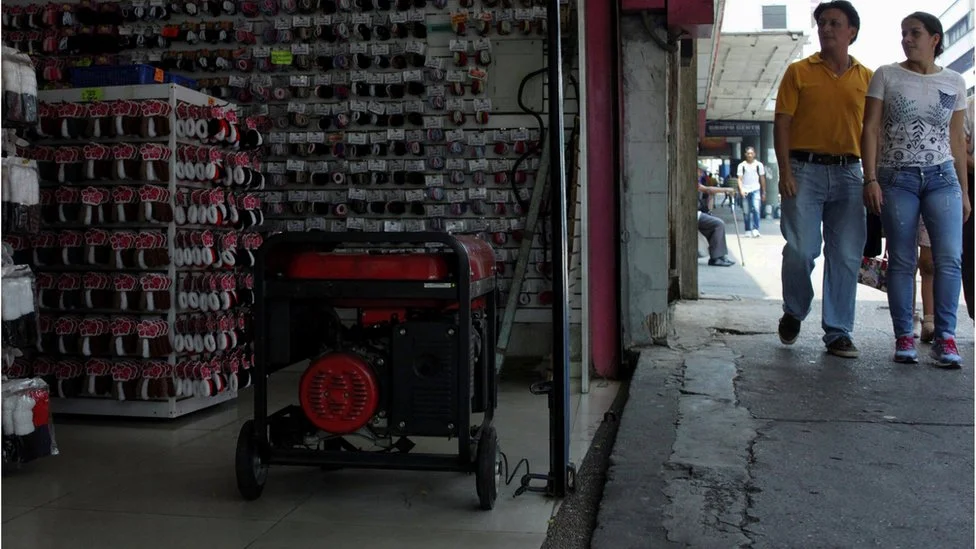
Venezuela's Energy Crisis: A Struggle Beyond Oil. (Photo Internet reproduction)
Venezuela’s Energy Crisis: A Struggle Beyond Oil – Power Generators in Storefronts. (Photo Internet reproduction)
One-stop reference
Company Intelligence
Every listed company in Latin America — financials, ownership and structure for 1,450+ companies across 26 exchanges, in one place.
Browse the directory →
RT
Ask Rio Times
17 years of Latin America reporting, on demand.
Open the full Ask Rio Times →

The city’s residents, like many in Venezuela, turned to fossil-fueled generators, contradicting the nation’s apparent carbon cutback.

The industrial sector echoed this dependency, with over 90% of businesses using generators to bypass the unstable grid.

Despite hydropower’s dominance, Venezuela’s reliance on thermoelectric power rose, increasing its share from 25% to 34% between 2001 and 2010.

Meanwhile, renewable alternatives like wind and solar remained negligible. Venezuela’s energy policy continued to focus on fossil fuels.

Venezuela’s Energy Crisis: A Struggle Beyond Oil

PDVSA sought new partnerships to boost dwindling oil production, with no visible plans for decarbonization or investment in clean energy.

This stance was highlighted by a 2023 report showing PDVSA and a few others lagged in renewable energy commitments.

Despite potential legal frameworks like the renewable energy bill, Venezuela’s legislative progress on energy transition stalled.

The country missed opportunities to tap international green financing, crucial for recovering from economic strife.

This energy paradox illustrates Venezuela’s broader challenges: a reliance on an outdated oil economy, inadequate infrastructure, and unexecuted environmental reforms.

This article was produced by The Rio Times’ automated newsroom system. How we use AI · Report an error

Read More from The Rio Times

The Rio Times · Power Map
See who really holds power in Latin America
Click to open the Power Map

Rotate for Best Experience

This report is optimized for landscape viewing. Rotate your phone for the full experience.