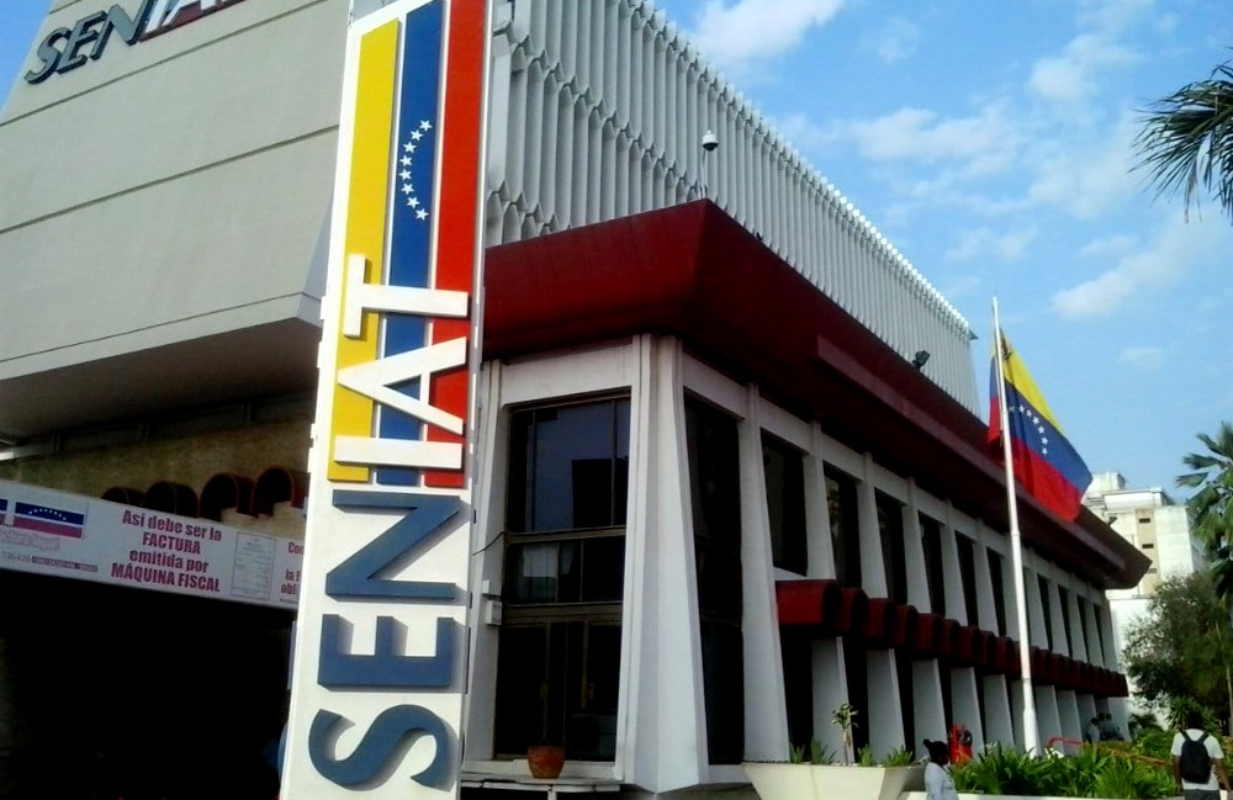
On Wednesday, Venezuelan President Nicolás Maduro reported a 93% tax revenue increase in the first five months of this year compared to last.
Amid 930 sanctions imposed by the U.S. and its allies, this surge paints a picture of an economy in recovery.
In 2020, Venezuela collected $645 million in taxes during the same timeframe. By 2021, this figure grew to $800 million.
The upward trajectory continued, reaching $1.776 billion in 2022, and $2.229 billion in 2023. This year, collections skyrocketed to $4.320 billion.
Maduro connected this financial boom to broader economic gains, including rises in indexed incomes and pensions.
These enhancements aim to funnel more resources into social protection initiatives. Additionally, the president outlined plans to channel funds into vital infrastructure.
This includes revamping Venezuela’s National Electric System and water services, directly impacting the populace’s daily lives.
Furthermore, Venezuela’s GDP experienced a robust 7% growth in the first quarter of the year.
Maduro confidently projected that Venezuela would lead Latin American countries in economic growth.
On the oil front, the nation hit nearly one million barrels per day in production, a milestone facilitated by innovations from Petróleos de Venezuela S.A. (PDVSA), the state oil company.
These fiscal and economic developments highlight the nation’s efforts to stabilize and grow amid external challenges.
The strategy for managing the economy emphasizes the critical role of Venezuela’s fiscal health for both its residents and international observers.
This focus reflects the broader implications of how the country maneuvers through its intricate geopolitical landscape.
More: Venezuela news in English, every day from The Rio Times.
This article was produced by The Rio Times’ automated newsroom system. How we use AI · Report an error
In depth
Read More from The Rio Times