USA & Canada Intelligence Brief — Monday, September 28, 2026
Executive Summary
USA & Canada Intelligence Brief for September 28: US import bans on Canadian goods take effect at midnight, Washington says it is comfortable with the
USA & Canada Intelligence Brief — Monday, 28 September 2026
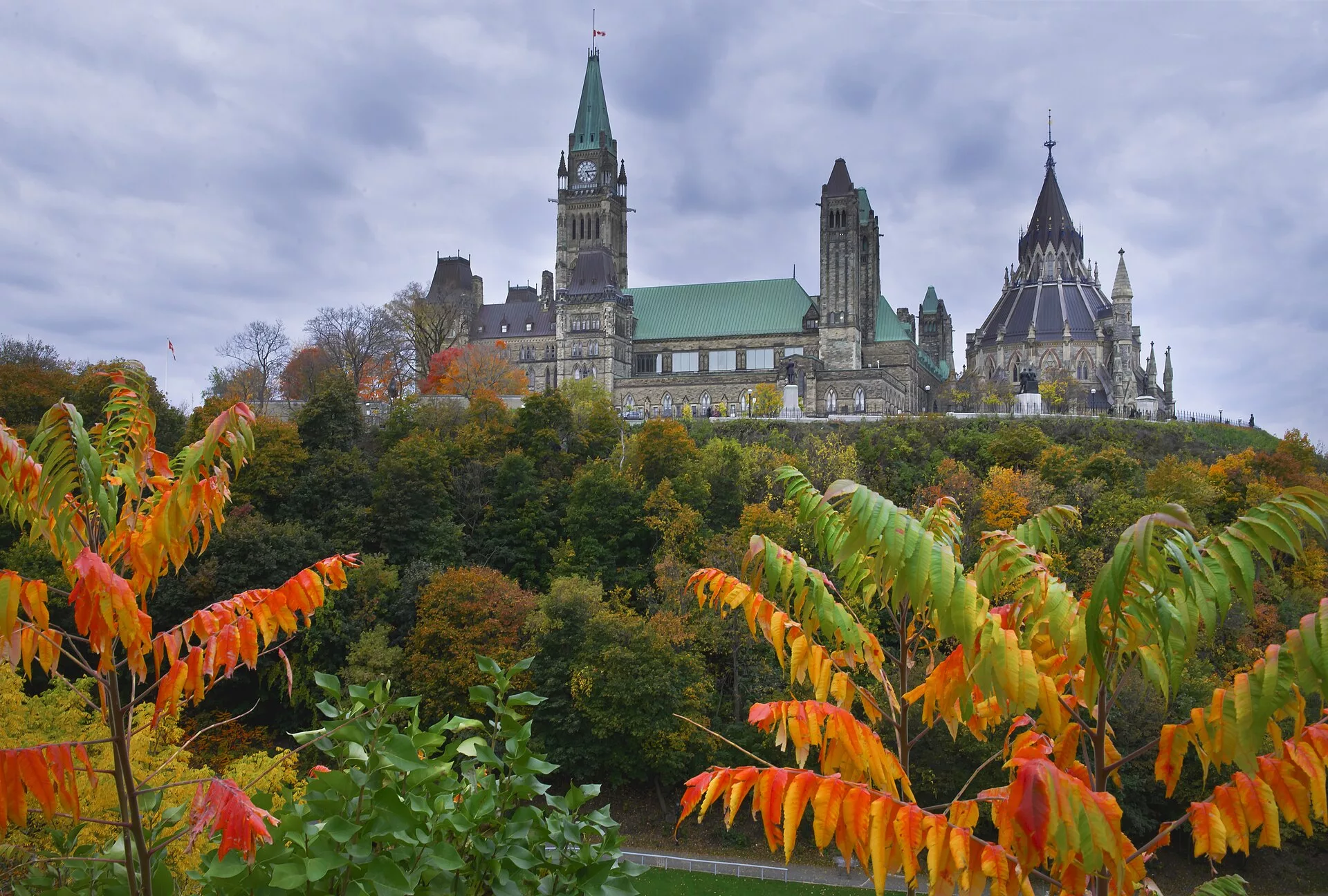
The region’s temper this Monday is the specific anxiety of a deadline both sides can read. Tomorrow morning, American import bans on Canadian goods take effect, and the two largest trading partners on the continent will wake up in a trade war neither government is pretending to hurry out of.
The register is hardening on both sides of the border. Washington’s trade chief says he is comfortable with the standoff; Ottawa has stopped describing the dispute as temporary; and the businesses caught between them have stopped expecting a phone call.
Washington’s second fight is with its own information environment. A judge ordered the White House on Thursday to restore the access of three news outlets; by Saturday, CNN had been removed from the press pool again, court order notwithstanding.
What steadies the region is thin but real. Canada’s deficit came in slightly lower than a year earlier, the courts are still answering their mail, and Quebec’s election on 5 October is proceeding on schedule — under a cloud of suspicion, but on schedule.
Key Facts
—The bans take effect tomorrow. US import bans on Canadian alcohol, motorcycles and some dairy products take effect on 29 September, under a measure published on the White House website; cheese products were moved onto a 50 per cent tariff list rather than banned outright, Reuters and the AP reported.
—Ottawa’s answer is already live. Canada’s retaliatory tariffs on about C$27.6 billion of American goods took effect earlier this month, CBC reported.
—Washington is in no hurry. US Trade Representative Jamieson Greer said on 25 September that the administration is “comfortable maintaining its trade standoff with Canada” and sees “no urgency” for a deal, Reuters reported, with 50 per cent tariffs on Canadian autos, parts and steel threatened from January.
—The pool pass, restored and re-pulled. A federal judge ordered the White House on 24 September to “immediately” restore access for CNN, Politico and MS NOW; networks resumed coverage on 25 September, but France 24 reported on 26 September that CNN was removed from the press pool again despite the order.
—The citizenship machine runs on. The Supreme Court allowed continued use of an overhauled citizenship-check data system that has erroneously flagged US citizens, NPR reported, while declining Missouri’s redistricting request.
—Quebec’s suspicion, on the record. Quebec’s premier said he was “very concerned” about possible American interference in the province’s 5 October election, CBC reported on 26 September.
—The Bureau’s cold shoulder. The FBI temporarily halted some cooperation with Canadian partners after the CBC reminded its journalists not to call the September 11 attacks “terrorism” without attribution, the New York Times reported — a wording rule turned into a diplomatic incident.
—Canada’s quieter ledger. The federal deficit for the first four months of 2026/27 came in at C$5.14 billion, slightly lower than a year earlier, Reuters reported.
Ottawa Wakes Up Tomorrow In A Trade War With A Name
Canada’s Monday is the last quiet day of an argument that ends tonight. At midnight, American import bans on a broad set of Canadian goods — alcohol, motorcycles, a slice of the dairy shelf — take legal effect, under a measure the White House published with the title “excluding certain Canadian products from importation”.
The list’s design is political before it is economic. Alcohol and motorcycles are the classic instruments of American trade retaliation: visible in the states that make them, trivial in the national accounts, and photographed in every news package. Cheese escaped the ban only into a 50 per cent tariff list, which is the same message sent by a different envelope.
Ottawa’s retaliation is already running. Canada’s tariffs on about C$27.6 billion of American goods took effect earlier this month, dollar-for-dollar in the government’s own framing, and the border economy has now had three weeks to price it.
What changed this week is not the measure but the manner. US Trade Representative Jamieson Greer said on 25 September that the administration is “comfortable maintaining its trade standoff with Canada” and sees “no urgency” for a deal — the clearest statement yet that Washington treats the rupture as a resting state rather than a negotiating position.
Behind tomorrow’s bans stands the heavier ordnance. The White House has threatened 50 per cent tariffs on Canadian autos, parts and steel from January — the three categories at the heart of Canadian manufacturing — and Greer’s comfort reads, in Ottawa, as a signal that the threat is not theatre.
The register in the Canadian business press has shifted this month from anger to planning. The pages that spent the summer demanding retaliation now write about supply chains and currency hedges; the country has begun, quietly and at cost, to behave as if the largest trade relationship in its history is a risk factor to be managed rather than a foundation to be presumed.
There is a ledger entry working in Ottawa’s favour, and the government is holding it close. The federal deficit for the first four months of the fiscal year came in at C$5.14 billion, slightly lower than a year earlier — a small number doing heavy rhetorical work for a government that needs to fund a trade war and an industrial policy at the same time.
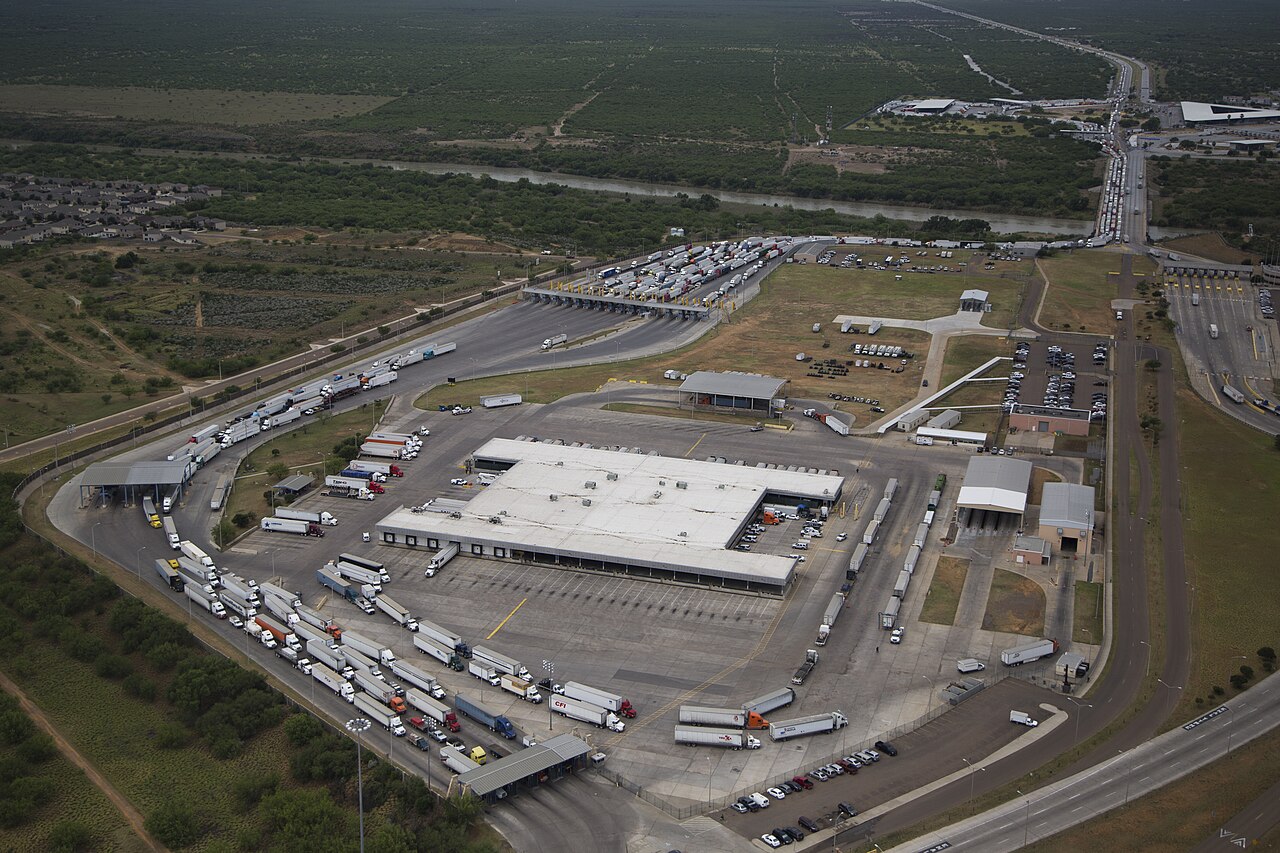
A Judge Restores The Pass; The Pool Pulls It Again
Washington’s institutional story this week fits in four days. On 24 September, a federal judge ordered the White House to restore access for CNN, Politico and MS NOW, finding the ban likely unconstitutional and directing that access be “immediately” restored — in one account, to “return, reinstate, and restore” it.
The networks went back. Reuters reported on 25 September that television crews resumed covering White House events under the ruling, and the story was briefly filed as a clean institutional win: the court spoke, the executive complied.
Saturday delivered the correction. France 24 reported on 26 September that CNN was removed from the presidential press pool again, notwithstanding the order — a move press advocates described as reading the judgment narrowly enough to void its purpose.
The judge in the case was appointed by President Trump himself, a detail the plaintiffs cite and the White House does not. It matters because it removes the argument’s easiest exit: this was not a hostile court reaching for a theory, but the president’s own nominee applying the First Amendment’s most settled clause.
The register in American newsrooms has moved past outrage into logistics. Washington bureaus now staff the White House the way foreign correspondents staff a hostile capital: pooled where possible, litigated where necessary, and never assuming that yesterday’s credential works today.
The Bureau Hangs Up On Its Oldest Partner
The strangest casualty of the season is a style rule. The FBI temporarily halted some cooperation with Canadian partners after the CBC reminded its journalists not to describe the September 11 attacks as “terrorism” without attribution, the New York Times reported — an editorial guideline, aimed at neutrality, landing in Washington as an insult.
Neither government has publicly confirmed the scope of the pause. But security cooperation between the two countries is the load-bearing wall of the relationship — older than the trade agreements and, until now, exempt from their quarrels.
The register in Ottawa’s security community is disbelief. Joint files on drug routes and Arctic surveillance do not pause cleanly; they simply age, and a wording dispute is a strange reason to let them.
Quebec Counts To 5 October Watching The Border
Quebec votes in a week, and the campaign’s loudest theme is a country that is not on the ballot. The premier said he was “very concerned” about possible American interference in the 5 October provincial election, CBC reported on 26 September.
The accusation is deliberately unspecific, and in Quebec that is the point. A province whose politics runs on language and sovereignty does not need a named operative to make Washington an issue; the trade war has already done the work, and the premier’s phrase gives every candidate permission to run against a neighbour.
The register is defensive pride. Quebec’s parties now compete to seem least purchasable — an uncomfortable new axis for a provincial campaign, and an awkward one for Ottawa, which must defend the federation’s elections without conceding the premise that they need defending.
The Court Lets The Machine Keep Flagging Citizens
The Supreme Court’s week was a study in selective intervention. It allowed the administration to keep using an overhauled citizenship-check data system that has erroneously flagged US citizens; a lower court had found the system violated federal privacy protections, NPR reported.
In the same week, the Court refused Missouri’s redistricting request — declining to hand one party a map while permitting the other branch a database. The combination is the term’s emerging signature: deferential to administration, withholding from partisans.
The register among civil-liberties lawyers is a particular exhaustion: the error rate is stipulated, the harm is documented, and the remedy is a promise of future review. The machine, meanwhile, keeps flagging.
Washington’s Mood Number Falls Everywhere At Once
The University of Michigan’s long-running survey of household sentiment fell this month across every political group at once — Republicans, Democrats and independents each gloomier than a month ago.
A uniform decline reads differently from a deep one: less a verdict on a policy than a weather report on the republic. The public is not arguing about direction this autumn; it is agreeing, across every line it usually fights on, that it does not like the forecast.
What This Means From Latin America
Tomorrow’s import bans are the region’s preview, not its news. Mexico has lived under its own version of the exclusion-list method since spring, and Ottawa’s experience this week — retaliation answered with escalation, escalation answered with “comfort” — is the playbook every Latin American treasury now assumes for its own file.
The trade numbers make the stakes concrete. Canada is among the largest buyers of American goods in the world, and the integrated supply chains that bind it to the United States run south through Mexico into Brazil’s and Argentina’s parts suppliers.
The press-pool fight travels too. Latin American newsrooms that treat White House access as a proxy for institutional health have watched the ban, the ruling and the re-pull as a three-act demonstration: the courts still speak, and the executive now answers in the grammar of minimal compliance.
The comparison is set out at greater length elsewhere. The dossier carries the leader, the deep dive and the outcome table with its Latin America column — open the USA & Canada Intelligence Dossier.
There is a hemispheric date worth holding beside tomorrow’s. Quebec votes on 5 October; Bolivia’s hauliers and Brazil’s Congress both test their governments the same week — three democracies in one hemisphere, all discovering whether their institutions bend or hold.
What We Are Watching
- Tomorrow, 29 September: the bans go live — US import bans on Canadian alcohol, motorcycles and selected dairy take effect. The first customs refusals, and Ottawa’s response within 48 hours, set the tone for the autumn.
- This week: the cheese list — Products moved from the ban onto the 50 per cent tariff list are the tell. Widening that list is Washington’s cheaper escalation; watch whether it grows.
- Sunday 5 October: Quebec votes — The premier’s “very concerned” warning has made election integrity the campaign’s closing theme. Any incident at the count becomes an international story by Monday morning.
- The fortnight: the press-pool judgment, round two — CNN’s renewed exclusion despite the court order sends the case back to the same judge. A contempt finding against the White House would be the year’s institutional landmark.
- Ongoing: the FBI’s paused channels — Neither government has confirmed the scope of the cooperation pause. A named joint operation failing quietly is how this story will next surface.
- January: the 50 per cent wall — The threatened tariffs on Canadian autos, parts and steel remain dated for January. Every week Greer calls the standoff comfortable moves that date from scenario to schedule.
Frequently Asked Questions
What exactly does the US ban from Canada tomorrow?
Alcohol, motorcycles and a defined set of dairy products are excluded from importation as of 29 September, under a measure published on the White House website. Cheese products were spared the ban but moved onto a 50 per cent tariff list. Canada has already answered with tariffs on about C$27.6 billion of American goods, and Washington has threatened 50 per cent tariffs on Canadian autos, parts and steel from January.
Why did a judge order the White House to readmit CNN?
Because excluding a news outlet for its coverage is the First Amendment’s clearest violation. On 24 September a federal judge — a Trump appointee — found the ban likely unconstitutional and ordered access “immediately” restored for CNN, Politico and MS NOW. Networks resumed coverage the next day, but France 24 reported that CNN was removed from the press pool again on 26 September despite the order.
Is the FBI really limiting cooperation with Canada?
The New York Times reported that the bureau temporarily halted some cooperation after the CBC reminded journalists not to call the September 11 attacks “terrorism” without attribution. Neither government has detailed the scope. It is best read as a warning shot inside the relationship’s most trusted channel — significant less for what stopped than for the fact that anything stopped at all.
What is Quebec actually accusing Washington of?
The premier said he was “very concerned” about possible American interference in the province’s 5 October election, CBC reported on 26 September — deliberately without specifics. With the trade war already the campaign’s loudest background, the phrase functions as both a genuine security worry and a sovereignty signal to Quebec voters a week before they cast ballots.
This article was produced by The Rio Times’ automated newsroom system. How we use AI · Report an error