US Bird Flu Death Linked to Dairy Cows
The virus is a familiar cattle strain, officials call the risk to the public low, and Latin America had logged no human case in 2026 as of August.

Health: United States
A dairy farmworker in Washington State has died of H5N1 bird flu after exposure to infected cattle, the Yakima Health District, the county’s public health agency, announced in early November. The death came weeks after the virus first reached dairies in Yakima County, in the state’s farm belt.
This account rests on local, US federal and regional health agencies, because we could not confirm a WHO report on the case.
Key Facts
- Who. A dairy farmworker in Yakima County, Washington, with underlying health conditions.
- What. Death from H5N1 bird flu after exposure to infected dairy cattle; two co-workers also infected.
- Where. Yakima County, Washington State, where 40 farms in two counties have tested positive.
- As of. 24 November 2026, 23:30 GMT
The virus is a familiar cattle strain, officials call the risk to the public low, and Latin America had logged no human case in 2026 as of August.
The Yakima Health District, the county’s public health agency, said the person had underlying health conditions and was hospitalised when symptoms turned severe. It did not release a name, age or gender, citing the family’s privacy.
Two other Yakima farmworkers caught the virus after exposure at a dairy but have not been severely ill or hospitalised, the district said. The first case, confirmed on 15 October according to the European Centre for Disease Prevention and Control (ECDC), the EU’s disease agency, was mild and needed no hospital care.
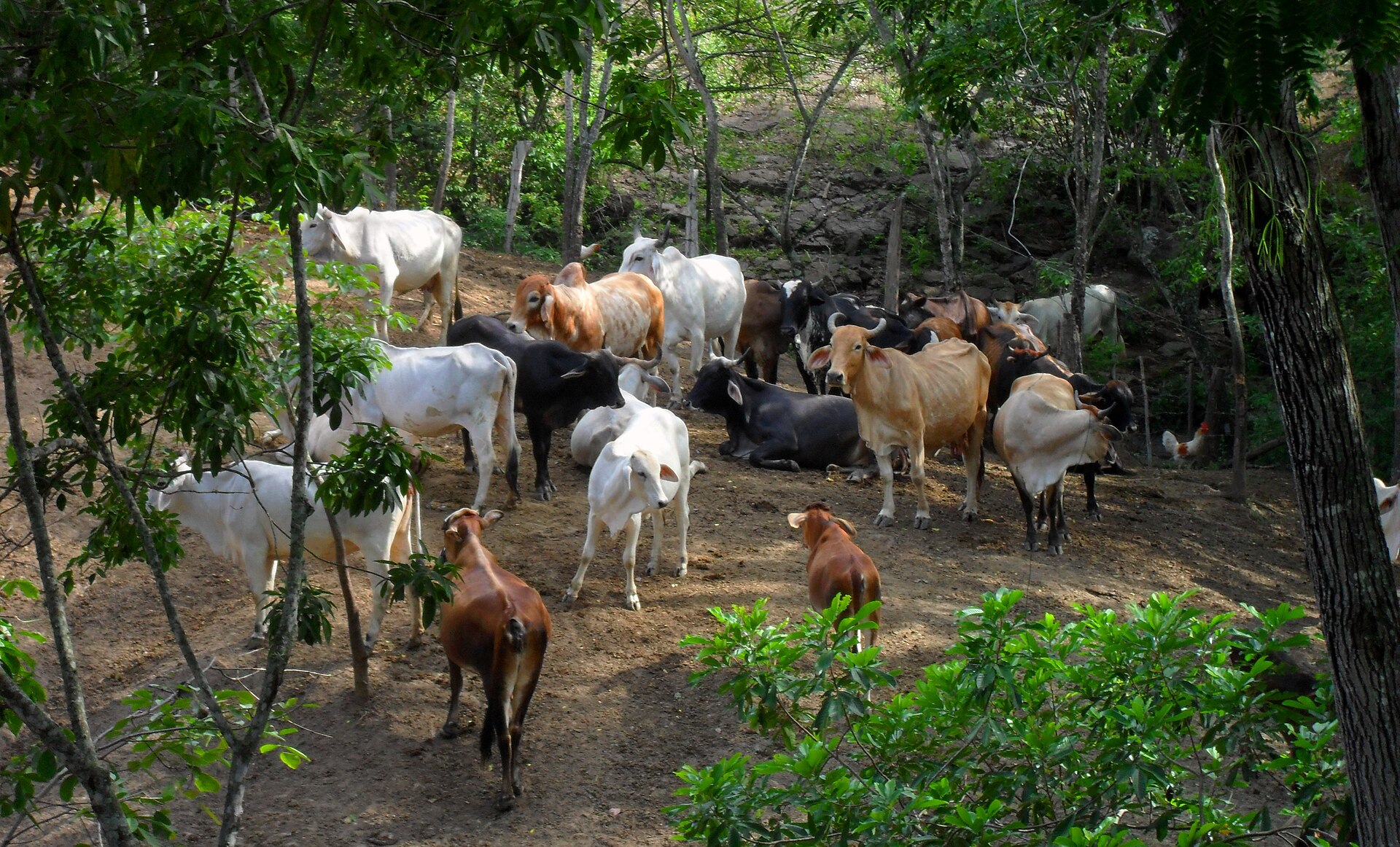
The health district says animals at 40 farms in Yakima and Benton counties have now tested positive for the virus. The state’s animal disease laboratory ran more than 7,000 farm tests over two years, and all were negative until early October.
The strain is a familiar one. ECDC reports that recent US human samples belong to clade 2.3.4.4b, genotype B3.13, the lineage that has circulated in US dairy cattle since 2024.
The US Centers for Disease Control and Prevention (CDC) counted 75 human H5 bird flu cases nationwide since February 2024 as of 20 November, 68 of them found by monitoring people with animal contact. The agency says the current risk to the public is low and that it is watching the situation carefully.
Sustained spread between people has not been shown, the CDC and the district say. We could not confirm from a primary source that Yakima is the first dairy-linked human death anywhere, as some headlines say.
Dr Dave Atteberry, the health district’s health officer, called the death “a serious and heartbreaking outcome.” He said “the risk to the general public remains low.”
Washington’s Department of Labor and Industries, the state workplace-safety agency, is inspecting two central Washington dairies where the worker was employed. Officials say people who work closely with infected cattle carry the greater risk, and they have found no evidence of spread between people.
For Latin America the case is a reminder, not an alarm. The Pan American Health Organization (PAHO), the WHO’s regional office, said on 27 August that no human H5 case had been reported in the Americas in 2026 up to then.
From 2022 to 2025 the region logged 75 human infections, in Canada, Chile, Ecuador, Mexico and the United States, PAHO said. The most recent was in November 2025.
PAHO’s own assessment, together with its partners, rates the risk to the general public as low. It rates the risk as low to moderate for people with regular contact with potentially infected animals.
PAHO counted 455 animal outbreaks in 10 countries of the Americas from January to 15 July 2026, about 26% fewer than a year earlier. In Chile, a preventive bird flu alert remains in force in the southern Los Ríos Region (Chile Keeps Bird Flu Alert in Los Ríos).
PAHO advises that properly cooked poultry and eggs are not linked to transmission, and it recommends pasteurised milk over raw milk. It also asks countries to monitor exposed people for 14 days after their last contact with infected animals.
The district has not said how the worker was exposed beyond contact with infected cattle, and it has not released the age. The CDC updates its national count on its situation page, so the figure may change.
Frequently Asked Questions
Can people catch bird flu from milk or meat?
PAHO says cooked poultry and eggs have not been linked to transmission and advises pasteurised milk. Raw milk carries more risk.
Is this a pandemic threat?
The CDC and PAHO call the risk to the general public low. Sustained spread between people has not been shown.
Sources
Published Tuesday 24 November 2026 · Source: Yakima Health District · Washington State Department of Labor and Industries · US CDC · ECDC · PAHO
Connected Coverage
This article was produced by The Rio Times’ automated AI newsroom. Editorial responsibility: Matthias Camenzind, Publisher and Editor-in-Chief. The Rio Times also runs Ask Rio Times, which answers from 100,000+ of our own articles, the daily Latin America Power Map, and prediction-market odds on elections and markets.. How we use AI · Report an error