U.S. Moves Fast to Build First Nuclear Reactor on the Moon, Aims to Dominate Off-Earth Resources and Tech
The United States government has officially told NASA to speed up its plan to build and deploy a nuclear reactor on the Moon by 2030.
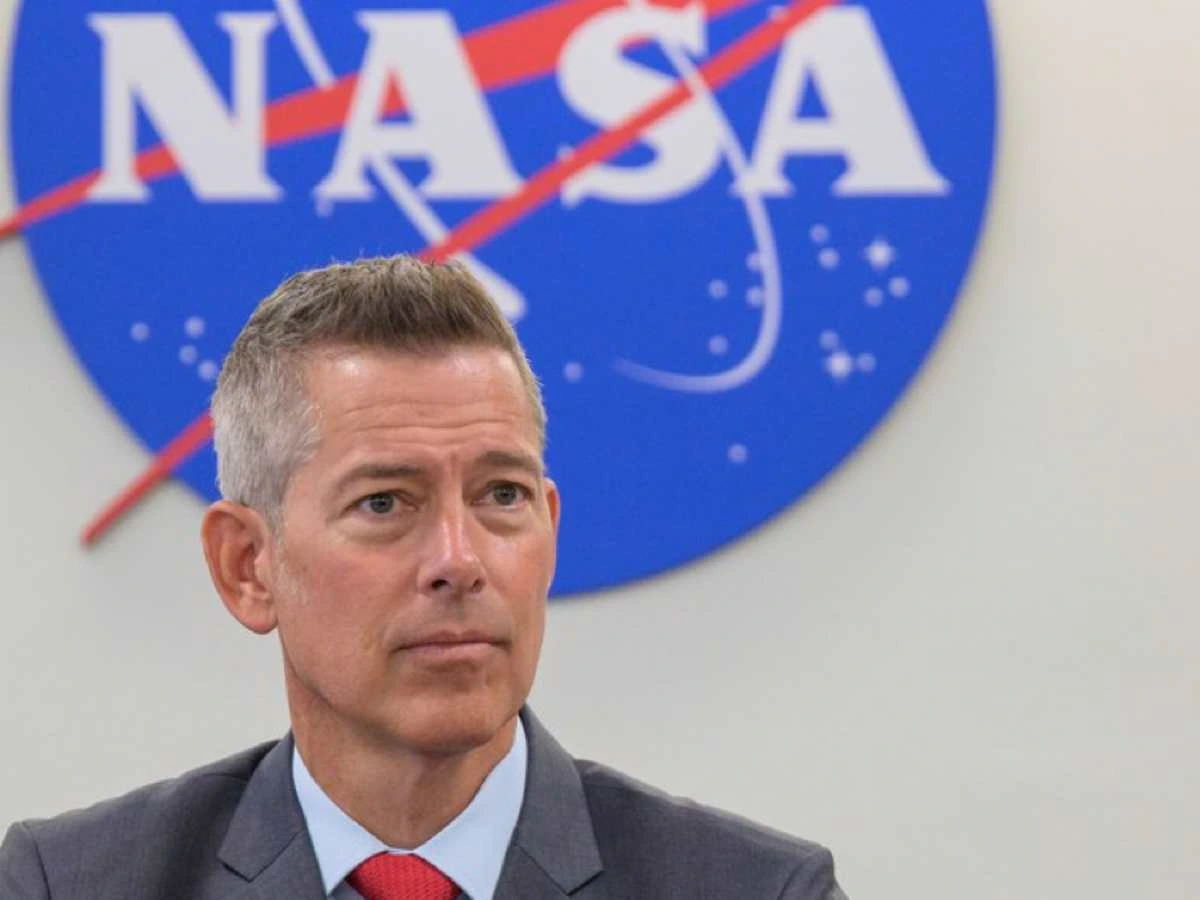
This is part of a direct push by NASA’s acting chief, Sean Duffy, and follows clear orders confirmed in public documents and NASA statements.
The core goal is simple: NASA wants private companies to design a small but powerful fission reactor that can produce at least 100 kilowatts of electricity—enough to run a future lunar base.
This is needed because the Moon has nights that last about two weeks, making solar power alone unreliable. NASA notes this is vital not just for science, but for any permanent US presence on the Moon, and for possible Mars missions.
Meanwhile, China and Russia have announced they are working together on their own lunar reactor, aiming for the mid-2030s. U.S. officials worry that the first country to set up a working reactor could claim control over the best lunar locations.
This might allow them to block rivals from accessing key zones. The story beneath this move is the quiet but intense race to control lunar resources and future business in space.
NASA’s Strategic Shift
US Defense Department and NASA statements describe how energy installations could give a country major advantages, allowing longer missions and future mining.
At the same time, NASA accepts it needs a new approach with private companies. The International Space Station is set to retire by 2030. NASA is shifting to let private firms build and run new stations, keeping options open if budgets change.
Recently, NASA and Russian space chiefs met to discuss this new era, as confirmed by both agencies in official releases. But with partnerships in doubt and competition heating up, both sides seem to be keeping their real plans close.
This article was produced by The Rio Times’ automated newsroom system. How we use AI · Report an error · Editorial responsibility: Matthias Camenzind, Editor-in-Chief
Read More from The Rio Times