IBOV 206,911.89 ▲ 7.70% IPSA 11,124.65 ▲ 1.91% IPC MEX 64,975.08 ▲ 0.69% MERVAL 2,869,488 — 0.00% COLCAP 2,582.65 ▲ 2.69% BVL PERÚ 59,860.04 ▲ 0.60% USD/BRL4.95▼ 0.78% USD/MXN17.92▼ 0.86% USD/CLP963.60▼ 0.92% USD/COP3,197▲ 0.10% USD/PEN3.43▼ 0.53% USD/ARS1,520▼ 0.32% USD/UYU40.34▼ 0.30% USD/PYG5,844▲ 0.40% USD/BOB11.95▲ 0.17% USD/DOP60.06▲ 4.00% USD/CRC455.71▼ 0.15% USD/GTQ7.63▼ 0.09% USD/HNL26.86▼ 0.01% USD/NIO36.62▲ 2.96% USD/VES870.21▼ 0.01% USD/PAB1.00— 0.00% USD/BZD2.00— 0.00% USD/JMD 157.28 — 0.00% USD/TTD6.68▼ 0.14% EUR/BRL5.59▼ 4.73% BRENT 88.88 ▼ 0.03% WTI 83.11 ▼ 0.11% IRON ORE 161.91 — — COPPER 6.61 ▲ 0.03% GOLD 4,461 ▲ 1.78% SILVER 65.59 ▲ 1.26% SOY 1,184 ▲ 3.20% CORN 480.50 ▲ 10.02% WHEAT 655.00 ▲ 3.93% COFFEE 317.25 ▼ 5.51% SUGAR 16.43 ▼ 1.79% ORANGE JUICE 138.55 ▼ 0.47% COTTON 85.03 ▲ 2.33% COCOA 5,719 ▲ 3.18% BEEF 223.60 ▼ 3.93% CATTLE 339.10 ▼ 3.16% LITHIUM 75.20 ▲ 1.47% PETR4 41.64 ▼ 0.05% VALE3 72.97 ▲ 0.83% ITUB4 38.60 ▼ 1.03% BBDC4 16.85 ▲ 0.36% ABEV3 14.89 ▼ 0.80% BBAS3 19.37 ▲ 0.47% B3SA3 14.26 ▼ 0.21% WEGE3 47.59 ▲ 0.49% PRIO3 59.14 ▼ 0.19% SUZB3 41.33 ▲ 2.35% RENT3 34.68 ▼ 0.09% AZZA3 15.89 ▼ 2.63% CSAN3 3.22 ▼ 1.83% RAIZ4 0.25 — 0.00% PCAR3 2.75 ▼ 0.36% GMAT3 3.65 ▼ 1.08% PSSA3 48.13 ▼ 0.54% CVCB3 1.33 ▼ 2.92% POSI3 3.36 ▲ 2.44% SLCE3 13.34 ▲ 0.30% NATU3 8.14 ▼ 0.73% IBOV 206,911.89 ▲ 7.70% IPSA 11,124.65 ▲ 1.91% IPC MEX 64,975.08 ▲ 0.69% MERVAL 2,869,488 — 0.00% COLCAP 2,582.65 ▲ 2.69% BVL PERÚ 59,860.04 ▲ 0.60% USD/BRL 5.16 ▲ 0.01% USD/MXN 17.06 ▼ 0.24% USD/CLP 913.98 ▲ 0.04% USD/COP 3,140 ▲ 0.03% USD/PEN 3.36 ▼ 0.66% USD/ARS 1,493 ▲ 0.10% USD/UYU 40.27 ▲ 1.24% USD/PYG 5,939 ▲ 1.68% USD/BOB 11.64 ▼ 0.76% USD/DOP 58.34 ▲ 1.25% USD/CRC 445.92 ▲ 0.89% USD/GTQ 7.62 ▲ 2.21% USD/HNL 26.79 ▲ 1.57% USD/NIO 36.62 ▲ 0.69% USD/VES 762.44 ▼ 0.13% USD/PAB 1.00 — 0.00% USD/BZD 2.00 — 0.00% USD/JMD 157.28 — 0.00% USD/TTD 6.70 ▲ 0.61% EUR/BRL 5.95 ▲ 1.01% BRENT 88.88 ▼ 0.03% WTI 83.11 ▼ 0.11% IRON ORE 161.91 — — COPPER 6.61 ▲ 0.03% GOLD 4,461 ▲ 1.78% SILVER 65.59 ▲ 1.26% SOY 1,184 ▲ 3.20% CORN 480.50 ▲ 10.02% WHEAT 655.00 ▲ 3.93% COFFEE 317.25 ▼ 5.51% SUGAR 16.43 ▼ 1.79% ORANGE JUICE 138.55 ▼ 0.47% COTTON 85.03 ▲ 2.33% COCOA 5,719 ▲ 3.18% BEEF 223.60 ▼ 3.93% CATTLE 339.10 ▼ 3.16% LITHIUM 75.20 ▲ 1.47% PETR4 41.64 ▼ 0.05% VALE3 72.97 ▲ 0.83% ITUB4 38.60 ▼ 1.03% BBDC4 16.85 ▲ 0.36% ABEV3 14.89 ▼ 0.80% BBAS3 19.37 ▲ 0.47% B3SA3 14.26 ▼ 0.21% WEGE3 47.59 ▲ 0.49% PRIO3 59.14 ▼ 0.19% SUZB3 41.33 ▲ 2.35% RENT3 34.68 ▼ 0.09% AZZA3 15.89 ▼ 2.63% CSAN3 3.22 ▼ 1.83% RAIZ4 0.25 — 0.00% PCAR3 2.75 ▼ 0.36% GMAT3 3.65 ▼ 1.08% PSSA3 48.13 ▼ 0.54% CVCB3 1.33 ▼ 2.92% POSI3 3.36 ▲ 2.44% SLCE3 13.34 ▲ 0.30% NATU3 8.14 ▼ 0.73%
since 2009
Tuesday, October 6, 2026

World-News North America

U.S. Factories Struggle While Shoppers Keep Spending: The Contradictory Economy Explained
By · September 16, 2025 · 2 min read
U.S. Factories Struggle While Shoppers Keep Spending: The Contradictory Economy Explained
U.S. Factories Struggle While Shoppers Keep Spending: The Contradictory Economy Explained.

The flood of economic numbers coming out of Washington and Wall Street can feel overwhelming, even contradictory.

One day, reports show strong growth; the next, factory output shrinks or wages slip. To make sense of it, it helps to step back and see how the pieces fit together.

RT
Ask Rio Times
17 years of Latin America reporting, on demand.
Open the full Ask Rio Times →

Today’s Picture: Industrial Production and Shopping

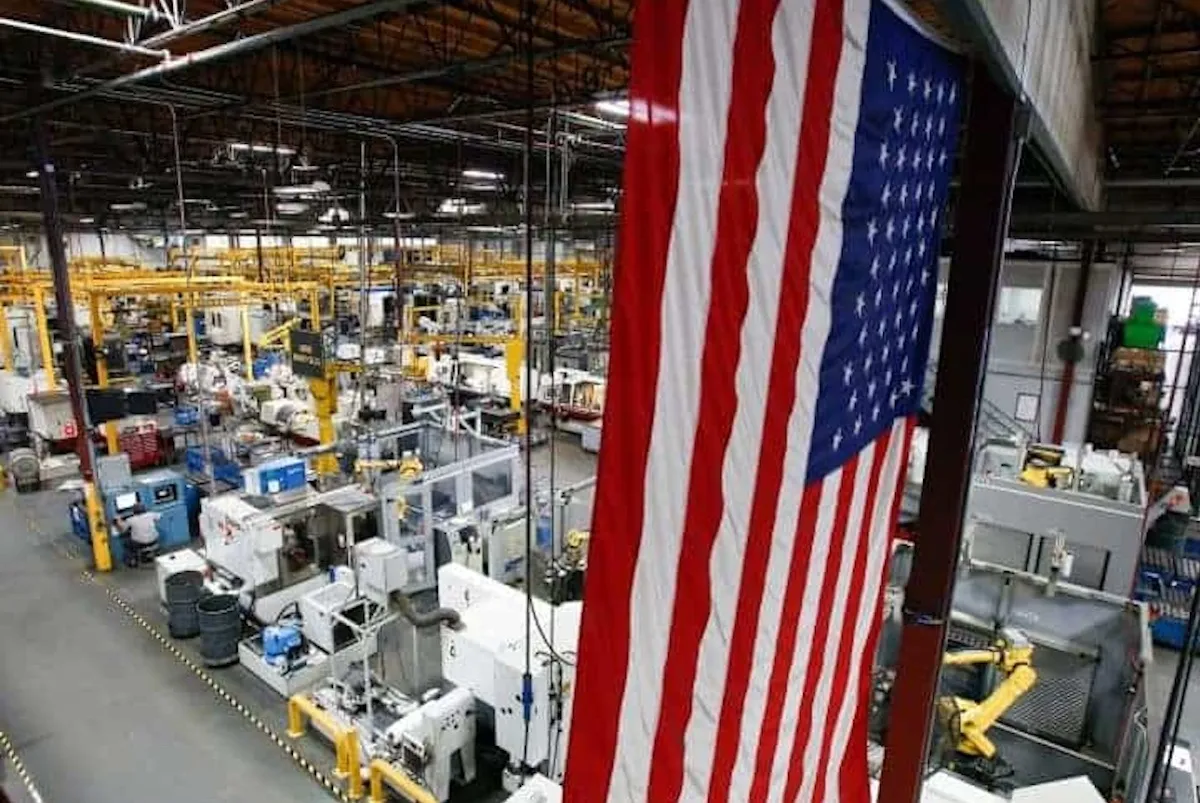
On September 16, industrial production rose just 0.1 percent in August, a tiny rebound after July’s drop.

Manufacturing managed a 0.2 percent gain, but utilities fell, leaving overall output stuck below its long-term average. In short: U.S. factories are working, but not at full steam.

At the same time, consumers keep spending. Retail sales jumped 0.6 percent in August, triple what analysts expected, and are up 5 percent compared with last year.

The LatAm Brief

One email, every weekday morning. What moved in Latin American markets, politics and expat life.

Yesterday’s subject line: “Brazil stocks jump 7.7%, real up 4%, after the vote”

Free. We send a confirmation link first — nothing arrives until you click it. Unsubscribe with one click in any edition. If you stop opening us for 30 days we stop sending by ourselves, as we assume the interest is no longer there. See our privacy policy. We never share your email.

Online shopping, clothing, and back-to-school purchases all boosted sales. Businesses are keeping inventories in check, a sign that demand hasn’t collapsed.

Yesterday’s Warning: Factories Contracting

But just a day earlier, the Empire State Manufacturing Index—a forward-looking survey—plunged to minus 8.7. That tells us factory managers see fewer orders, slower shipments, and leaner inventories ahead.

Industrial production measures what’s already been made; the survey suggests the months ahead could be rougher.

The Broader Context: Jobs, Inflation, Wages

Jobs are no longer the safety net they once were. Only 22,000 positions were added in August, the weakest gain in years, and past data was revised down by nearly a million. Unemployment has ticked up to 4.3 percent.

At the same time, inflation is cooling but not gone: consumer prices rose 2.9 percent in August, with core inflation still above 3 percent. Real wages slipped 0.1 percent last month, meaning paychecks didn’t keep up with prices.

What’s Really Happening?

The U.S. economy is being pulled in two directions. Consumers are still willing to spend, helped by online retail and pockets of service-sector strength.

However, factories and traditional industries are under pressure from weak global demand, tariffs, and the rapid shift toward automation and artificial intelligence. Businesses are investing heavily in technology, which boosts productivity but does little to create jobs.

Why It Matters

For the Federal Reserve, this creates a dilemma. Growth looks decent on the surface, with GDP expanding at a 3.3 percent pace in the spring, but the foundation is shaky.

Manufacturing is weakening, wages aren’t keeping up with costs, and inflation is sticky enough to limit how much interest rates can be cut.

In plain terms: America is still growing, but more narrowly. Consumers and tech are carrying the load, while factories and workers are feeling squeezed.

That imbalance may keep the recovery alive in the short run—but it risks leaving the economy more fragile over time.

This article was produced by The Rio Times’ automated newsroom system. How we use AI · Report an error · Editorial responsibility: Matthias Camenzind, Editor-in-Chief

The Rio Times · Power Map
See who really holds power in Latin America
Click to open the Power Map →

Rotate for Best Experience

This report is optimized for landscape viewing. Rotate your phone for the full experience.