U.S. Census Fight: Immigration, Power, and Why It Matters Worldwide
This summer, official U.S. government data revealed that the country now holds 53.3 million foreign-born residents, or almost 16% of the total population.
Of these, roughly 15.8 million live without legal permission, with a sharp increase—over 8 million more—arriving since early 2021.
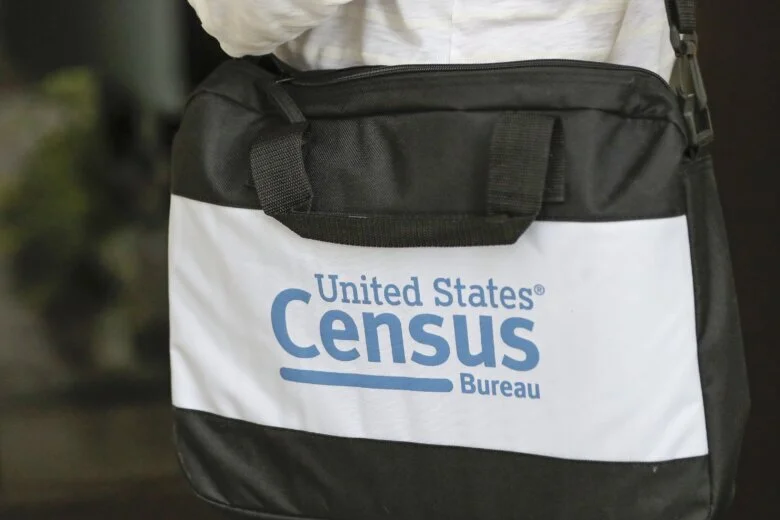
These demographic shifts create big political questions, because every ten years the U.S. census counts people for sharing out seats in Congress and dividing federal spending.
Traditionally, the census has always counted everyone—citizens, legal residents, and undocumented migrants—following the 14th Amendment to the U.S. Constitution.
This practice ensures every person influences the shape of political districts and how money gets used locally. But things changed recently. President Donald Trump ordered a new approach: count only those lawfully present and leave out undocumented immigrants.
Supporters of this move argue that letting states with large undocumented populations, like California and Texas, boost their representation by including these residents is unfair. They say this gives Democrats an edge, since high-immigrant states tend to lean left.
On the other side, Democrats call the new order unconstitutional. They stress that removing millions of residents from the count will strip certain communities of influence and reduce funding for essential services.
The debate is passionate, but government data shows the actual effect remains moderate. Even if all undocumented immigrants vanished from the census, the shift would change only about two or three congressional seats—enough to matter, but not to overturn U.S. politics.
At the heart of the matter is a core democratic principle: who counts. With billions of dollars and political seats on the line, the census defines power not just for Americans, but for how the world sees U.S. governance.
Changing the rules risks damaging public trust and setting uncertain precedents. This heated but technical dispute serves as a reminder to the world that, in America, the question of who gets recognized still shapes everything from politics to the nation’s future.
This article was produced by The Rio Times’ automated newsroom system. How we use AI · Report an error · Editorial responsibility: Matthias Camenzind, Editor-in-Chief