Trump Freezes Aid To Colombia, Deepening Rift Over Drugs, Sovereignty And Trade
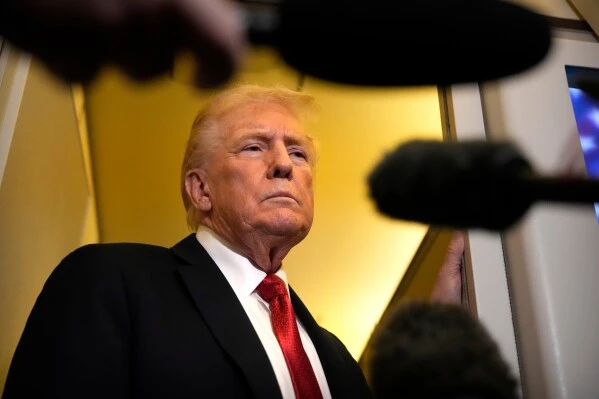
October 22–23 brought the sharpest break in U.S.–Colombia ties in years. Speaking at the White House after meeting NATO’s secretary-general on October 22, President Donald Trump said the U.S. had “stopped all payments to Colombia.”
He also called President Gustavo Petro “a thug” and “a bad guy,” and warned of “very serious action.” Petro fired back online, vowing to defend himself in U.S. courts against slander.
Bogotá has recalled its ambassador to Washington, underscoring how fast a decades-old partnership has unraveled. The fight is about more than insults.
In mid-September, Washington officially ruled that Colombia had “failed demonstrably” to meet anti-drug obligations, a rare decertification that can squeeze assistance unless waived.
Trump’s October 22 remarks go further, signaling potential new tariffs and broader pressure. For two countries bound by security cooperation since Plan Colombia and a 2012 free-trade pact, this is a hard turn.
Behind the headlines are clashing narratives about facts on the ground. U.N. monitoring estimates coca cultivation at roughly 253,000 hectares in 2023—near record highs. Trump cites those numbers to argue Petro’s approach has failed.
Colombia-U.S. Tensions Ripple Beyond Borders
Petro’s government counters with record cocaine seizures and lab destruction this year, saying enforcement is working and that U.S. demand—not Colombian policy—drives the trade.
The backdrop is even hotter after recent U.S. maritime strikes on suspected drug boats; Petro condemned them, alleging at least one civilian vessel was hit.
The economic stakes are concrete. The United States is Colombia’s top partner, with about $36.6 billion in goods trade and roughly $53.3 billion when services are included in 2024.
New tariffs or a prolonged aid freeze would ripple through energy, agriculture, apparel, and auto supply chains, and could chill investment just as Colombia grapples with security setbacks and slow growth.
What this reveals to readers outside the region is the fragility of a relationship often taken for granted. For years, Washington backed Bogotá with funds, training, and market access while Colombia supplied energy, coffee, flowers, and metals—and increasingly, tech and services.
That model depends on trust between presidents and clear rules for joint security operations. Once those fray, cartels and armed groups gain room to maneuver, and businesses lose predictable terms.
Why you should care: a diplomatic rupture here doesn’t stay local. It affects migration patterns, regional security cooperation in the Caribbean, and pricing for everyday goods.
Watch for three indicators of how far this goes: whether U.S. agencies publish formal guidance detailing which funds are frozen; whether tariff proclamations land and on which sectors; and whether back-channel diplomacy can pull the two leaders back from escalation.
More: Colombia news in English, every day from The Rio Times.
This article was produced by The Rio Times’ automated newsroom system. How we use AI · Report an error · Editorial responsibility: Matthias Camenzind, Editor-in-Chief