Methanol Giant Methanex Idles a Trinidad Plant as the Gas Runs Short
Energy
Key Facts
—The decision. Methanex, the world’s largest methanol producer, said on June 29 it will indefinitely idle its Titan plant in Trinidad and Tobago.
—The cause. The company could not agree a new natural gas contract before the current deal expires in the third quarter of 2026.
—The scale. Titan can make about 860,000 tonnes of methanol a year, and will be preserved for a possible restart rather than scrapped.
—Not the first. The company’s Atlas plant on the island, a joint venture in which it holds a 63.1 percent stake, is already idled in the same way.
—The contrast. Next door, Guyana pumps close to a million barrels of oil a day and Suriname is racing to follow, while Trinidad’s mature fields run down.
—The calendar. Methanex will give updated production and financial guidance with its second-quarter results on July 28.
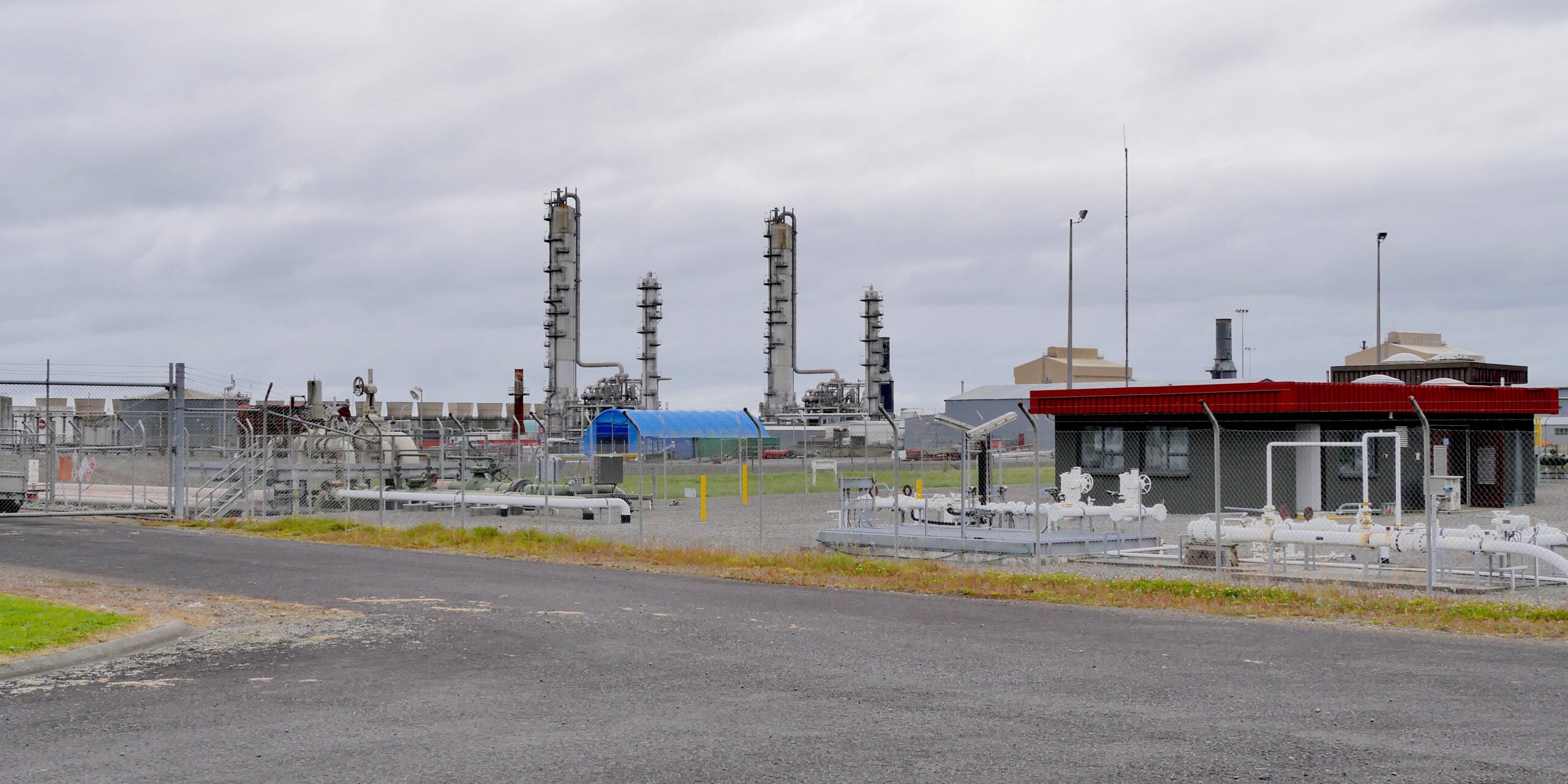
The Trinidad gas shortage just claimed a headline casualty, as the world’s largest methanol maker moves to shut a major plant it can no longer feed. It is the clearest sign yet that the island’s century-old energy engine is running down even as its neighbours boom.
For an investor watching from London or Munich, the story is less about one factory and more about a country’s business model coming under strain. Trinidad has sold gas-based products to the world for decades, and that model now depends on gas it is struggling to supply.
What Methanex actually decided
In a statement on June 29, Methanex said it had been unable to agree a new natural gas contract for its Titan plant, whose current supply deal expires in the third quarter of this year. As a result, it will begin the process of indefinitely idling the site.
The plant will not be torn down. Instead the company will place it in what it calls a preserved state, a kind of careful mothballing that keeps open the option of a restart if gas supply and prices improve.
Methanex was careful to reassure its own shareholders. It said Titan is no longer contributing to its core earnings or cash flow, and that it does not expect to book meaningful cash costs from the shutdown.
Why the Trinidad gas shortage matters beyond one plant
Methanol is made from natural gas, and Trinidad built a cluster of world-scale plants on the promise of cheap, plentiful supply. That promise has weakened as the island’s offshore fields age and output slips.
The squeeze is not new, but it is deepening. Methanex’s Atlas plant, a venture in which it owns just over sixty percent, was already idled and preserved before this latest move, so the company is now stepping back from Trinidad methanol on two fronts at once.
The wider damage shows up in the national accounts. The World Bank expects Trinidad to grow by less than one percent this year, a reminder that when the gas falters, the whole economy feels it.
A tale of two energy stories in one basin
The timing is striking because Trinidad sits beside the most exciting oil story in the hemisphere. Guyana, just to the south, is pumping close to a million barrels of oil a day and reshaping the regional map.
Suriname is chasing the same path, with a string of offshore discoveries moving toward development. The Rio Times notes the irony that all three share the same stretch of coast, yet Trinidad is managing decline while its neighbours manage a boom.
There is a possible bridge. Trinidad has the region’s only mature network of plants that can turn gas into methanol, ammonia and fertiliser, and it is courting gas from its neighbours to keep those plants fed.
Its energy minister has openly pushed for a regional alliance, appearing this year alongside counterparts from Guyana and Suriname to talk up shared development. The pitch is that Trinidad’s factories could process gas its neighbours cannot yet use themselves.
For now, that is a promise rather than a fix. Each idled plant is lost output, lost jobs and lost export earnings in a country that already struggles to bring in enough foreign currency, and the Methanex decision makes the problem harder to ignore.
What caused the Trinidad gas shortage at the Titan plant?
Methanex could not agree a new natural gas contract for Titan before the existing deal runs out in the third quarter of 2026. The island’s ageing offshore fields are producing less gas, making it harder and costlier to supply the large plants built during the boom years.
Is the Titan plant closing for good?
No. Methanex is placing Titan in a preserved state rather than dismantling it, which keeps open the option of restarting the plant if gas supply and prices improve enough to make it viable again.
More: Latin America news in English, every day from The Rio Times.
How does this compare with Guyana and Suriname?
Guyana is in the middle of a major oil boom, producing close to a million barrels a day, and Suriname is developing its own offshore finds. Trinidad, by contrast, is a mature producer whose output is declining, which is squeezing the gas-hungry industries at the heart of its economy.
Connected Coverage
Trinidad and Tobago Tech Hub Push Targets Life Beyond Gas
Vaca Muerta Gas Could Reshape South America’s Energy Map
Jamaica Buys Its Biggest Storm Bond Yet After Melissa Paid Out in Full
This article was produced by The Rio Times’ automated newsroom system. How we use AI · Report an error · Editorial responsibility: Matthias Camenzind, Editor-in-Chief