Vaca Muerta Gas Could Reshape South America’s Energy Map
Argentina · Markets
Key Facts
—The plan. South America is weighing a pipeline network, with investment topping $10bn, to carry Argentine Vaca Muerta gas across the region.
—The prize. Vaca Muerta holds an estimated 308 trillion cubic feet of gas, among the world’s largest unconventional reserves.
—The contest. Bolivia, Paraguay and Uruguay are vying to route the gas to Brazil, the region’s biggest consumer.
—The financing. Citigroup, Santander and JPMorgan are arranging a roughly $1bn package for a TGS gas-liquids project.
—The date. Representatives of five countries are due to meet in Paraguay on September 16-17 on energy integration.
A vast shale field in Argentine Patagonia is no longer just a national story. Its gas is becoming the prize in a contest that could rewire how energy flows across South America.
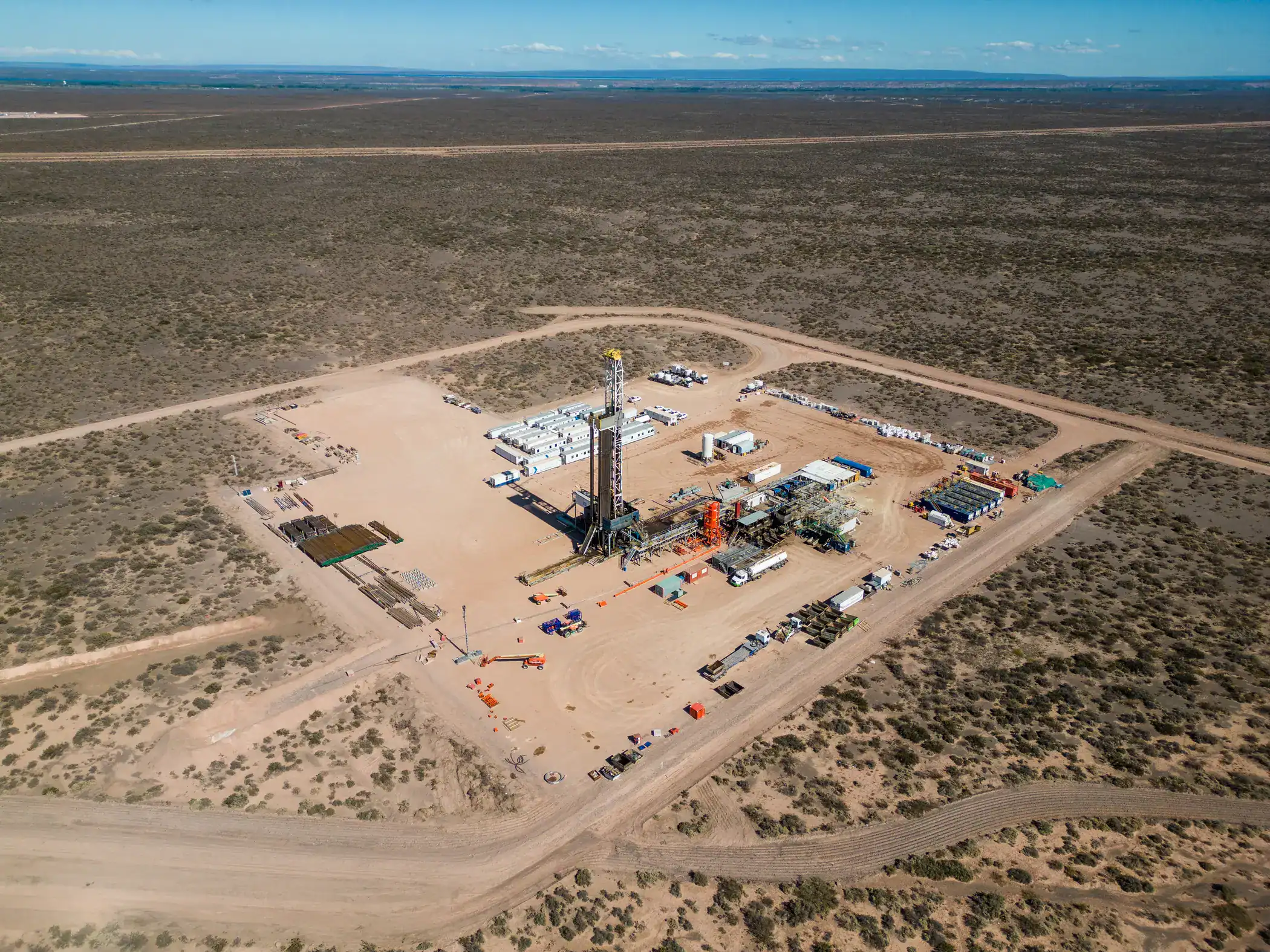
South America’s long-discussed dream of energy integration is taking concrete shape around a single resource: the natural gas locked in Argentina’s Vaca Muerta formation. Countries across the region are studying a network of pipelines, with combined investment that could exceed $10bn, to move that gas to neighboring markets, in what would be one of the most ambitious cross-border energy projects the continent has attempted.
The race to carry Vaca Muerta gas to Brazil
At the center of the contest is Brazil, the region’s largest energy consumer and the natural destination for surplus Argentine gas. Bolivia, Paraguay and Uruguay are each positioning themselves as the transit route to carry Vaca Muerta gas north, while pipelines to other markets such as Peru could also emerge.
Bolivia argues it holds the advantage: its state energy company says existing infrastructure could be repurposed without major new investment, a claim that matters as the region weighs the cost of building from scratch. Representatives of five countries are scheduled to gather in Paraguay on September 16 and 17 to discuss how to knit their systems together, a meeting that could determine which routes advance.
Banks line up behind the build-out
The financing needed to monetize Vaca Muerta is starting to materialize. Citigroup, Banco Santander and JPMorgan are among lenders assembling a package of roughly $1bn for a project by Transportadora de Gas del Sur, the company that moves about 60% of Argentina’s gas.
The money would support a $3bn natural-gas-liquids development that TGS has called the largest of its kind in the region and a critical investment to overcome one of the country’s main infrastructure bottlenecks, and which it expects to generate around $1.2bn in annual exports once running. It follows a pattern: last year, the Vaca Muerta Sur oil pipeline secured a $2bn syndicated loan, and state-controlled YPF is pursuing financing for an LNG export plan that could draw commitments in the region of $14bn.
Why it matters for the region
For Argentina, turning Vaca Muerta into an export engine is central to President Javier Milei‘s hopes of rebuilding foreign-currency reserves and steadying the economy. For its neighbors, access to cheaper, closer gas would reduce reliance on imported and seaborne fuel and could lower energy costs across the Southern Cone.
The stakes extend to the wider competitive map: as Argentina ramps up output, it reshapes the calculus for other regional suppliers and for any eventual recovery of Venezuelan production. The obstacles remain substantial, including the sheer cost of pipelines, the coordination of multiple governments and the pace of building infrastructure fast enough to match production.
But the September meeting and the arrival of international bank financing mark a moment when a decades-old aspiration is, for the first time, backed by money and a timetable.
Frequently Asked Questions
What is the South America gas integration plan?
A proposed pipeline network, with investment that could top $10bn, to carry gas from Argentina’s Vaca Muerta formation to neighboring countries, chiefly Brazil.
Which countries are competing to transit the gas?
Bolivia, Paraguay and Uruguay are each vying to route Vaca Muerta gas to Brazil, with possible pipelines to other markets such as Peru.
What is the TGS financing?
A roughly $1bn package from Citigroup, Santander and JPMorgan to support a $3bn TGS natural-gas-liquids project expected to generate about $1.2bn in annual exports.
How big are Vaca Muerta’s reserves?
About 308 trillion cubic feet of gas, according to U.S. estimates, among the largest unconventional reserves in the world.
Connected Coverage
The gas push parallels Argentina’s scramble on the oil side, where it is racing to build pipes fast enough for Vaca Muerta crude, part of a wider reshaping of the country’s energy sector.
This article was produced by The Rio Times’ automated newsroom system. How we use AI · Report an error · Editorial responsibility: Matthias Camenzind, Editor-in-Chief