The global billionaire club is reaching new heights, with a record-breaking 15 individuals now holding fortunes exceeding $100 billion.
This elite group’s collective wealth has ballooned by 13% this year to a staggering $2.2 trillion.
This growth has been propelled by advancements in artificial intelligence, the luxury goods sector, and notable geopolitical changes.
Notably, individuals like Françoise Bettencourt Meyers of L’Oréal, Michael Dell of Dell Technologies, and Carlos Slim have seen their wealth skyrocket.
For instance, Dell’s net worth surged past the $100 billion mark, driven by a high demand for AI technology.
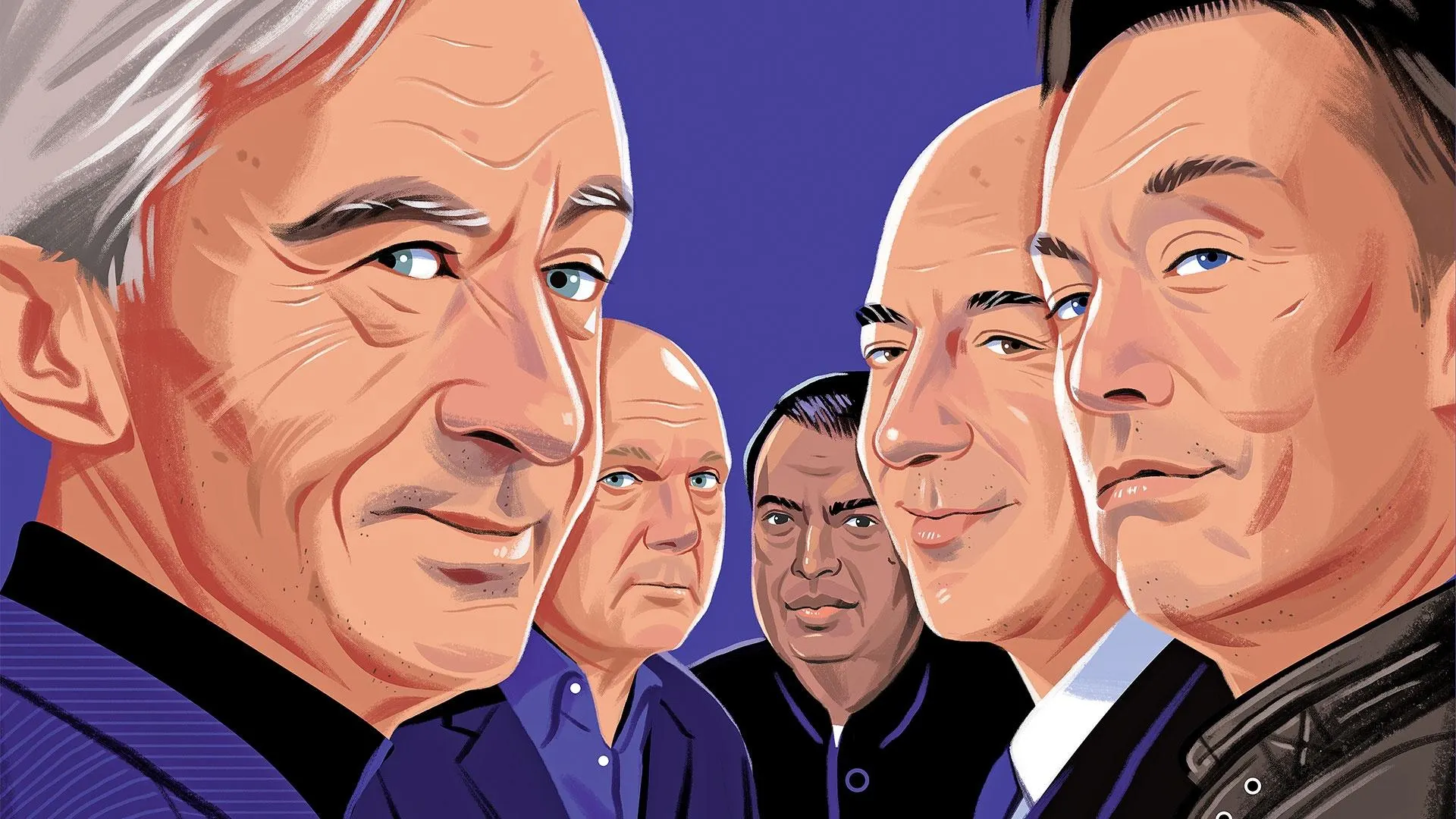
This reflects the broader trend where tech magnates dominate the top tiers of global wealth.
However, this accumulation of wealth prompts critical discussions about economic disparity and its wider societal implications.
The influence these billionaires exert on global economies and their potential impact on political and social realms is substantial.
This highlights the need for conversations about wealth distribution and the responsibilities of the super-rich.
As the gap between these billionaires and the rest of the world widens, the conversation around the concentration of wealth becomes increasingly urgent.
This scenario not only reshapes the economic landscape but also raises questions about the role of wealth in shaping future societal and economic policies.
This unprecedented wealth concentration among a few individuals highlights their significant economic influence. It also emphasizes the growing disparities in wealth distribution globally.
As these billionaires’ visibility and influence expand, they play an increasingly pivotal role on the world stage.
This article was produced by The Rio Times’ automated newsroom system. How we use AI · Report an error · Editorial responsibility: Matthias Camenzind, Editor-in-Chief