SpaceX Rocket Failure Grounds Florida Flights After Second Explosion
Reuters reports SpaceX’s Starship rocket exploded during its eighth test flight on March 6, forcing the Federal Aviation Administration (FAA) to temporarily suspend flights at several major Florida airports.
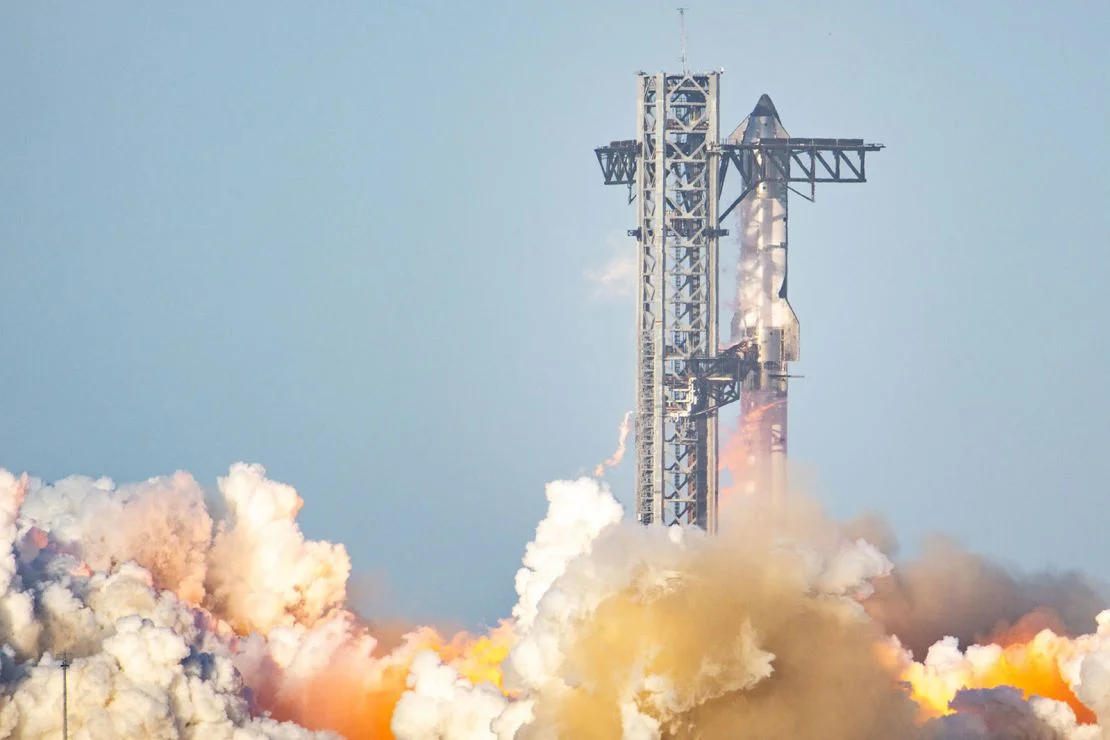
The 403-foot spacecraft lifted off from SpaceX’s Boca Chica facility in Texas before experiencing what the company called a “rapid unscheduled disassembly” in space. Multiple engines on Starship’s upper stage shut down unexpectedly during the mission.
The spacecraft then spun out of control and exploded at approximately 90 miles altitude while traveling nearly 12,427 mph. Fiery debris rained down over southern Florida and the Bahamas following the explosion.
The FAA quickly established a Debris Response Area and halted air traffic in affected zones. Major hubs including Miami, Orlando, Palm Beach, and Fort Lauderdale airports faced temporary closures.
The restrictions lasted approximately 90 minutes and caused average delays of 30 minutes for Miami flights. This marks the second consecutive Starship failure in 2025. A similar explosion occurred on January 16 during the seventh test flight.
That incident scattered debris over Caribbean islands and disrupted dozens of flights. SpaceX made several modifications after January’s failure including revised fuel lines and new venting systems. These changes evidently failed to prevent the latest disaster.
FAA Investigates SpaceX Starship Failure
The FAA has ordered a comprehensive investigation into the incident. The agency will monitor SpaceX’s internal probe to ensure regulatory compliance. SpaceX acknowledged the failure on social media platform X, stating they immediately coordinated with safety officials.
Starship plays a crucial role in NASA’s Artemis lunar program and Elon Musk’s Mars ambitions. The repeated failures threaten to delay both SpaceX’s timeline for reaching Mars and NASA’s plans to return humans to the Moon.
SpaceX spokesperson Dan Huot remained optimistic despite the setback. “The primary reason we do these flight tests is to learn,” Huot said during the live broadcast. “We’ll be right back here in the not-too-distant future.”
The company promises to analyze all flight data to determine the root cause of the explosion.
This article was produced by The Rio Times’ automated newsroom system. How we use AI · Report an error · Editorial responsibility: Matthias Camenzind, Editor-in-Chief