SpaceX Reaches $400 Billion Value as Starlink and Rocket Business Soar
SpaceX, Elon Musk’s private space company, has reached a valuation of $400 billion, making it the most valuable private firm in the world. This number comes from an internal share sale that puts the stock price at $212 per share, up from $185 just six months ago.
This jump reflects more than just investor interest — it shows SpaceX is now a dominant force in both space launches and satellite internet. Its Starlink broadband network already serves over 6 million customers and brought in around $2.7 billion in 2024.
Revenue from the company’s launch business, which now conducts more than half of the world’s rocket launches, is also rising fast. All told, SpaceX is expected to generate over $15 billion in revenue in 2025, based on official company data and investor materials.
More than half of that is projected to come from Starlink by next year, as demand for satellite internet in rural and remote areas expands. SpaceX currently holds over $3 billion in cash.
This gives the company the ability to fund operations and growth without selling new shares or taking on debt. Instead of going public, SpaceX lets employees and early investors sell some of their shares in private “tender offers” like this one, which could reach $1.25 billion.
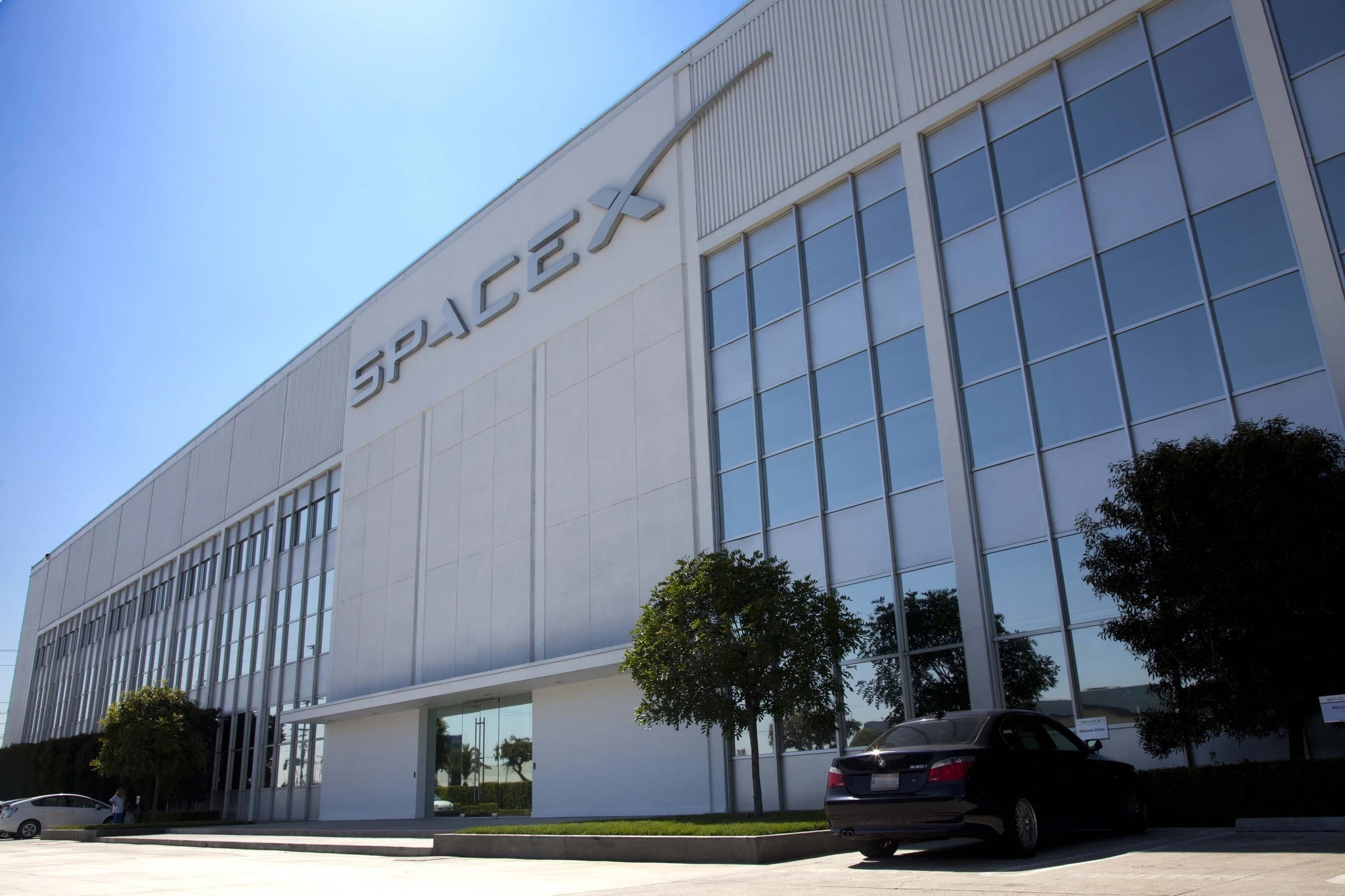
Founded in 2002, SpaceX is now worth more than Boeing, Lockheed Martin or most tech startups. Its reusable Falcon 9 rockets have lowered launch costs, driving revenue from both government and private contracts.
SpaceX Redefines the Future of Aerospace and Private Innovation
The company also runs major defense projects, including the classified Starshield program, and is developing the massive Starship rocket for future planetary missions. A major test explosion earlier this year shows that program still brings technical risks.
Still, the numbers behind this latest valuation reflect something real: modern private space companies can achieve scale and profits once thought impossible without government backing.
SpaceX’s structure and model now challenge how aerospace companies raise capital and deliver services. While many investors cannot yet buy into SpaceX, the size of this valuation tells a clear story.
The future of space may no longer depend on government agencies or public firms. Instead, it’s being built by private companies that move fast, take operational risks, and reinvest revenue into growth.
SpaceX continues to grow its business without going public, while reshaping not just the space economy, but how capital drives innovation in hard industries.
The company’s strategy shows how private firms can lead complex, capital-intensive sectors without relying on old models.
This article was produced by The Rio Times’ automated newsroom system. How we use AI · Report an error · Editorial responsibility: Matthias Camenzind, Editor-in-Chief