Military Helps Clear Blocked São Tomé Drains
A drainage drive in the capital shows how a small island state tackles rubbish before the rains. The council’s own record on waste collection supplies the background.

Sanitation: São Tomé and Príncipe
Crews from the Água Grande district council, backed by military and paramilitary units, hauled several tonnes of rubbish out of clogged drainage ditches on the edges of São Tomé city on Friday 27 November. The council runs the capital district, the most populous in the country.
No public statement says how many personnel took part, which units they came from or which neighbourhoods were cleared. No exact tonnage has been given.
Key Facts
- Who. Água Grande district council, with military and paramilitary units (details not given).
- Where and when. Outskirts of São Tomé city, Friday 27 November 2026.
- Aim. Better sanitation and lower flood risk in the rainy season.
- Not given. Troop numbers, units, neighbourhoods and tonnage.
- As of. 28 November 2026, 07:00 GMT
A drainage drive in the capital shows how a small island state tackles rubbish before the rains. The council’s own record on waste collection supplies the background.
Claudino Soares, a councillor (vereador) of Água Grande, described a seasonal problem. “When it rains, there are entire communities that suffer from floods because the drains are completely blocked,” he said, in remarks translated from Portuguese.
Cipriana Fernandes, a resident, said people throw dead animals such as dogs, pigs and chickens into the drains along with a lot of rubbish, and that this “ends up causing blockages.” Julião da Mata, another resident, said the rubbish piled up in the drains “affects many people here in the neighbourhood”, favours mosquitoes and contributes to a rise in malaria cases.
The council says it began door-to-door waste collection across the district about two weeks earlier. Abdelazy do Rosário, a councillor, said: “We have a daily door-to-door collection underway in all the localities of the district.”
Soares framed the effort as a civic duty, saying the city is “like our own home” and the council has “the responsibility to keep it clean”. His remarks are translated from Portuguese.
The problem predates the campaign. On 12 November Calisto Nascimento, the new president of the Água Grande council, said the amount of rubbish in the streets had risen over three months.
He said the previous mayor’s contract with 10 privately owned vans was meant to deliver five trips each per day, or 50 trips a day, to the Penha dump, where the capital’s waste is taken. The council says those trips were not made, although the monthly payment was made as normal.
By council figures, the contract plus diesel cost more than €19,000 a month (about US$21,000 at EUR/USD 1.094, the latest quote from market-data provider RT). Nascimento said: “We have some difficulty understanding how the council spends so much money every month, yet we have rubbish almost coming into our homes.”
Nascimento said vans that fail the contract will be penalised, and that collection on set schedules in the neighbourhoods was due to start the following week. This is the council’s own account; no reply from the previous administration was found.
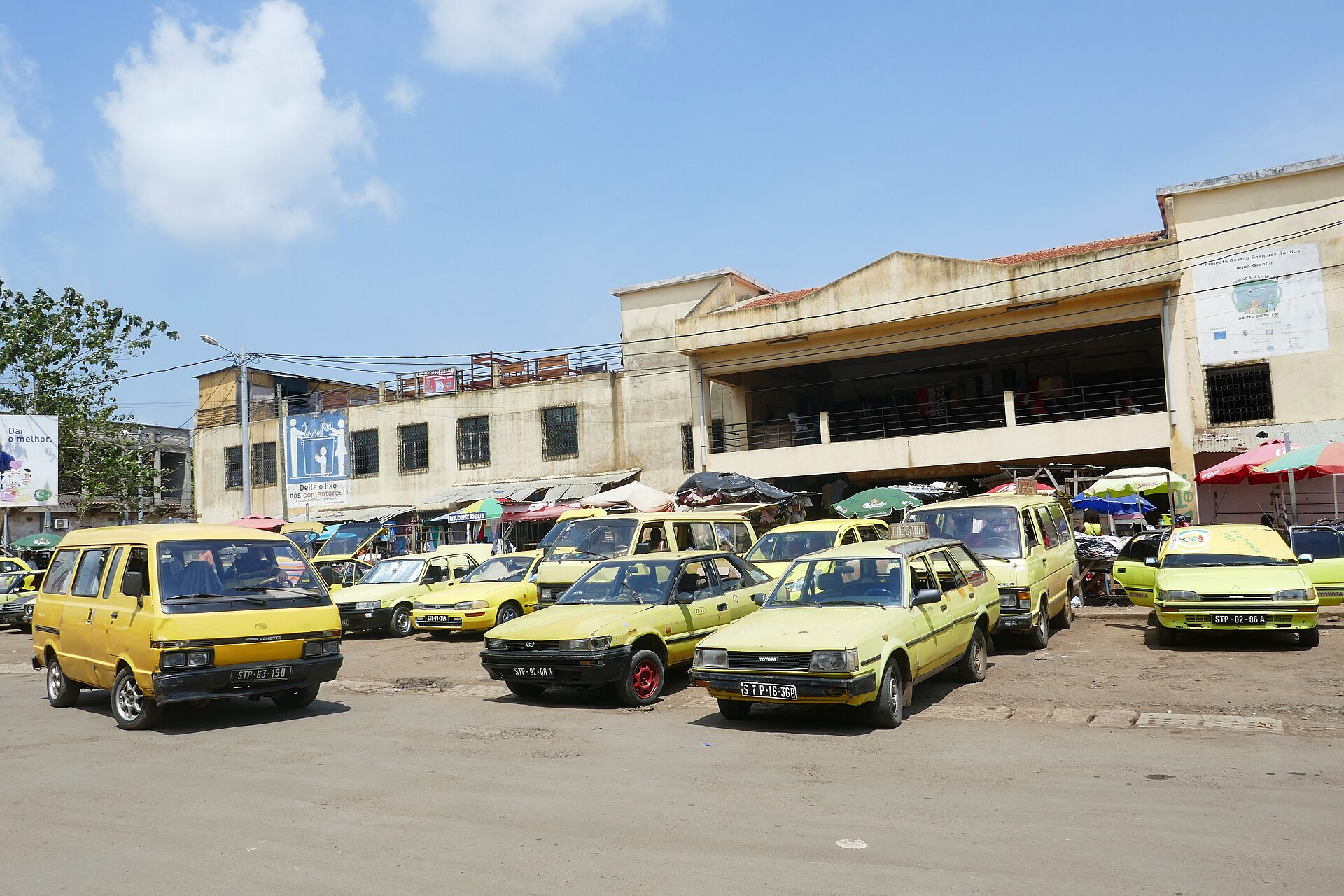
Equipment has arrived too. On Wednesday 11 November, the council received two vans and 30 containers donated through WACA, the West Africa Coastal Areas programme backed by the World Bank.
In late August, Environment Minister Nilda da Mata received the keys to two vehicles and 30 containers bought by the WACA+ project through an international tender, mainly for Água Grande. The dates differ, and the accounts do not say whether it is the same equipment.
Da Mata said this is only a first phase, and that the full project still foresees a sanitary landfill. “We cannot talk about tourism without guaranteeing good management of the rubbish we produce every day,” she said, in remarks translated from Portuguese.
No source says how often the military and paramilitary units will return or who pays for their time. The council says the clean-ups will continue in the coming months.
Frequently Asked Questions
Why are the drains being cleared?
Blocked ditches leave whole communities exposed to floods when it rains, according to councillor Claudino Soares. A resident also links the rubbish to mosquitoes and malaria.
Who carried out the clean-up?
The Água Grande district council ran it, with military and paramilitary support. The council has not named the units involved.
More: São Tomé and Príncipe news
Sources
Água Grande District Council (Câmara Distrital de Água Grande), statements of 12 and 27 November 2026; Ministry of Environment of São Tomé and Príncipe and the WACA+ project coordination, handover remarks, late August 2026; WACA programme (World Bank); market-data provider RT, EUR/USD quote of 28 November 2026.
This article was produced by The Rio Times’ automated AI newsroom. Editorial responsibility: Matthias Camenzind, Publisher and Editor-in-Chief. The Rio Times also runs Ask Rio Times, which answers from 100,000+ of our own articles, the daily Latin America Power Map, and prediction-market odds on elections and markets.. How we use AI · Report an error