Rio’s Carnival Machine: Big Money, Bigger Crowds, And A Hard Safety Lesson
Key Points
- Police say they arrested a suspected organizer of drugging-and-robbery attacks on foreign tourists in Ipanema.
- The Circuito Preta Gil route and 7:00 a.m. gatherings signal heavy downtown closures on key parade mornings.
- Brasília released R$12 million (about $2.2 million) for top samba schools, showing Carnival’s national economic pull.
Rio sells a clear promise each summer. Music spills into the streets. The beach is a short walk away. The city feels open and electric.
The story behind today’s headlines is simpler than it looks. Rio is trying to run a giant global event while policing its weak spots. One headline is about safety. Another is about routing. The third is about money. Together, they explain how the city manages chaos.
Civil police from the tourism unit say they arrested Raiane Campos de Oliveira, 27. Investigators describe her as a key figure in “Boa Noite, Cinderela” schemes. That is the local nickname for crimes where victims are drugged, then robbed.
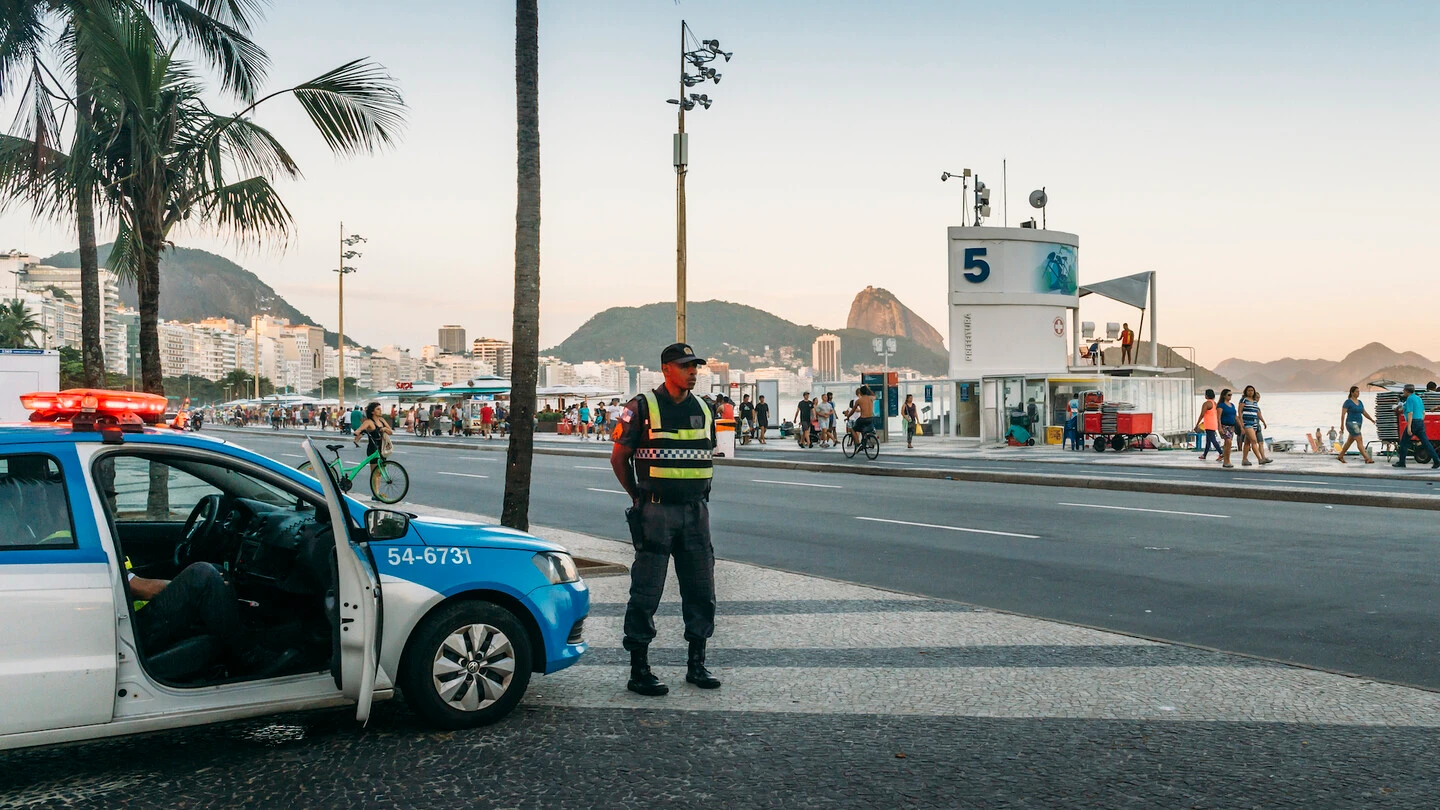
Police link the case to an August 8, 2025 incident involving two British tourists. The night began in Lapa and later moved to Ipanema, police said.
Investigators also said she had a long record of prior police reports. Some were tied to similar allegations. A widely shared video of a victim collapsing on the beach amplified the case.
None of this is uniquely Brazilian. Party cities everywhere attract opportunists. What makes Rio different is scale and concentration.
Huge numbers of newcomers pile into a few nightlife corridors. Many arrive with weak local awareness. Phones, cards, and rides become the practical pressure points.
Rio Carnival Management and Safety
At the same time, the city is formalizing the party’s flow. Officials say the Circuito Preta Gil megabloco route concentrates on Rua Primeiro de Março.
It runs toward Avenida Presidente Antônio Carlos. Dispersal is near Rua Araújo Porto Alegre. With 7:00 a.m. gathering times, closures can start early.
That can reshape morning plans across downtown. Riotur’s calendar runs from January 24 to February 22. In that window, Centro becomes a managed crowd system.
Then comes the financing. On January 19, 2026, Embratur and the Culture Ministry signed an agreement with Liesa. It directs R$12 million (about $2.2 million) to the 12 top-division schools.
That is R$1 million (about $185,000) each. Officials say Carnival draws visitors from more than 160 countries. That is why the state treats safety and logistics like national business.
Related coverage: Brazil’s Morning Call | Argentina’s Trade Surplus Looks Set To Shrink In December, E This is part of The Rio Times’ daily coverage of Latin American culture and lifestyle.
This article was produced by The Rio Times’ automated newsroom system. How we use AI · Report an error · Editorial responsibility: Matthias Camenzind, Editor-in-Chief
Read More from The Rio Times