Poland’s Eastern Air Defence Zone Explained
Poland wants flight limits on its eastern border after three Russian missiles crossed on 20 November, but the legal basis is unpublished.

POLAND · ANALYSIS
Poland borders Ukraine, where Russia is at war, and has become a front line for NATO air defence. This analysis explains the plan, its legal footing, NATO’s part and what remains unknown, building on the Europe Intelligence Brief.
Key Facts
- What is happening Poland plans a no-fly zone along its eastern border, and Deputy Defence Minister Cezary Tomczyk expects the decree at the end of December or the beginning of January.
- Why it matters Three Russian Kh-101 cruise missiles entered Polish airspace on 20 November 2026, and the zone is meant to help pilots identify and intercept threats faster.
- The numbers Tomczyk gave a depth of a dozen to several dozen kilometres from the border on 25 November 2026.
- Who is who Tomczyk announced the plan, the Ministry of National Defence wrote two draft regulations, and no formal NATO position on the zone has been reported.
- What to watch The decree is targeted for late December 2026 or early January 2027.
- What it means for you US readers should treat the zone as a test of NATO air defence in practice, not an Article 5 step, with about 10,000 US troops, F-35s and Patriot missiles in the background.
Poland’s air defence zone would let its military treat a strip of airspace along the eastern border as restricted, so aircraft and drones crossing without permission can be challenged faster. It matters to US readers because it tests where NATO’s Article 5 begins and where American-made Patriots, F-35s and rotating US troops fit.
What Poland Plans and Who Is Involved
On 25 November 2026, Deputy Defence Minister Cezary Tomczyk said Poland is preparing a decree for a no-fly zone along its eastern border. He said the zone should extend “a dozen to several dozen kilometres” from the border, European Pravda reported.
Tomczyk said the decree should take effect “at the end of December or the beginning of January”. That makes the target late December 2026 or early January 2027, and it is a target, not a published date.
The name Eastern Air Defence Zone is not an official label we found in any source, and East Shield is a separate programme for border fortification and the anti-drone SAN system. Coverage instead describes a planned no-fly zone.
Defence24, citing the PAP news agency, reported that two draft Council of Ministers regulations appeared in the government’s legislative register on 17 November 2026. Both were prepared by the Ministry of National Defence, and we could not confirm they are the instrument Tomczyk described, a link we infer from the timing.
What the Drafts Say
The first draft, SOP1, describes a permanent zone with air-traffic restrictions and bans around the clock. From sunset to sunrise its airspace would be unclassified, meaning it sits outside the classification of the International Civil Aviation Organization (ICAO) and is managed by the military.
The second draft, SOP2, would apply restrictions and bans only from 22:00 to 06:00 local time. The stated aim of both is to give the Armed Forces freedom to act against air objects that cross the border without authorisation, and the government plans to adopt them in the fourth quarter of 2026.
Who Is Who
The main actors are listed below, as named in 2026 coverage. The zone’s exact boundaries have not been published by any of them.
- Cezary Tomczyk, Deputy Defence Minister: announced the plan on 25 November 2026 and says it should help pilots identify and intercept threats faster.
- Władysław Kosiniak-Kamysz, Defence Minister: leads the ministry that drafted the regulations and announced a Patriot battery for the Lublin region on 5 October 2026.
- Maj. Gen. Ireneusz Nowak, Operational Commander of the Armed Forces: took up the post on 2 June 2026.
- Donald Tusk, Prime Minister: said on 30 July 2026 that everything indicated a Russian Kh-101 cruise missile had crashed in the Lublin region, and that the investigation was not finished.
The Incidents Behind the Plan
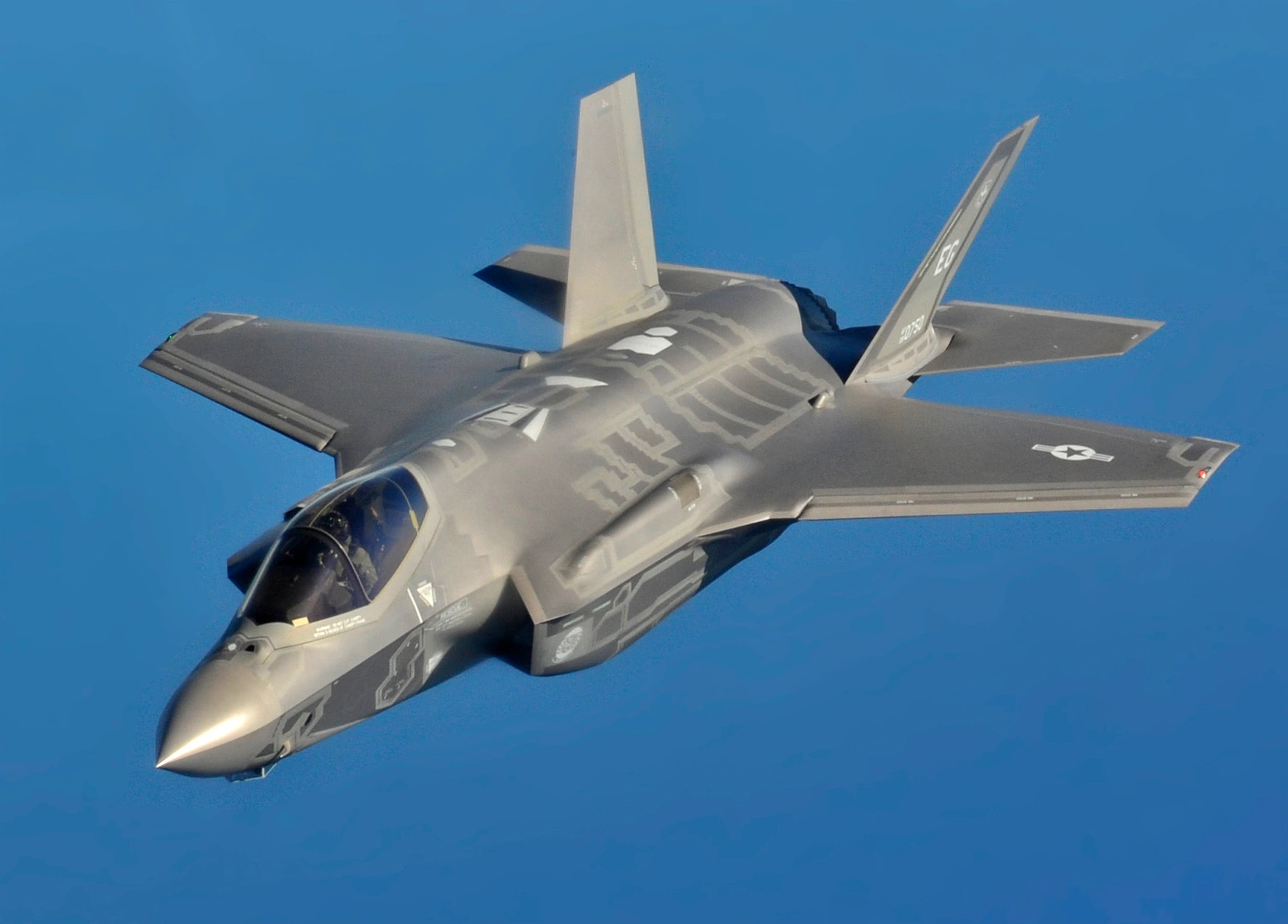
On 20 November 2026, three Russian Kh-101 cruise missiles violated Polish airspace during a large Russian attack on Ukraine, European Pravda reported. Debris was found at Nowy Lipowiec in Lublin Voivodeship and at Rudnik nad Sanem and Mołodycz in Podkarpackie.
The Rio Times brief says the missiles struck south-eastern Poland, and Russia denies it. Russia accused Warsaw of “stoking anti-Russian sentiment”.
Late on 23 November, a Russian surveillance drone entered Polish airspace from Ukraine for a few minutes before turning back, according to The Boston Report and Newsy Today. The Operational Command reportedly authorised a shoot-down, but troops held fire because of the risk to civilians below.
On 30 July 2026 another incident occurred in Lublin Voivodeship, and Tusk said that day that everything indicated a Russian Kh-101 cruise missile had crashed there, adding that the investigation was not finished.
On 10 September 2025, Poland invoked NATO Article 4, which opens consultations among allies, after Russian drones crossed into its airspace. NATO launched its Eastern Sentry mission on 12 September 2025, and the first temporary restricted zone, EP R129, ran from 10 September to 9 December 2025.
The pattern shows a country adding limits after each incident, one three-month order at a time. The held fire of 23 November shows the dilemma, because engaging over populated land carries risk.
Legal Basis, NATO’s Role and the Limits
What the Law Rests On
Neither Defence24 nor European Pravda names a statutory basis for the new regulations, so the legal footing remains unconfirmed. The existing restriction rests on a Minister of Infrastructure regulation that allows flight limits on national-security grounds for up to three months, according to Ukrainska Pravda’s reporting on the notice from PANSA, Poland’s air navigation service.
A permanent zone, as SOP1 is drafted, would be a different tool from rolling three-month orders. A November 2025 petition argued that a draft Aviation Law regulation exceeded its statutory delegation, which hints at a risk of legal challenge, though we did not verify it.
What NATO Does and Does Not Do
NATO’s top commander in Europe authorised an AWACS early-warning aircraft for Poland after a North Atlantic Council session in the week of 23 November. Bloomberg reported on 25 November that Warsaw has asked allies to consider shooting down Russian missiles over Ukraine that head toward NATO territory.
No formal NATO position on the zone, and no allied commitment to such shoot-downs, has been reported, and Article 5 has not been invoked.
Military Limits
Tomczyk said entering the zone would not by itself justify opening fire. European Pravda and bne IntelliNews coverage adds that radar tracks plus altitude, speed and zone entry would form the basis for a decision, and that the zone is neither a NATO zone over Ukraine nor an Article 5 trigger.
Poland has recently moved from visual to positive identification of targets, so pilots must gather several indicators before engaging. Spidersweb reads the draft zones as creating no new shoot-down authority, but that is the outlet’s reading, not an official statement.
Business, US and Latin American Stakes
Who Feels the Restrictions
Spidersweb says the zones are meant to leave passenger airports and major schedules largely unaffected. It says small-aircraft pilots, private drone owners and low-altitude operators would feel the limits most.
The United States
Poland hosts about 10,000 US troops, mostly rotational, according to Polish Radio and Task and Purpose reporting in 2026. The Pentagon cancelled a 4,000-troop rotation in mid-May 2026, and Trump then said he would send 5,000 troops.
In July 2026, Tomczyk said US Defence Secretary Pete Hegseth had confirmed at the NATO summit in Ankara that troops would return. A US official did not confirm that, and we did not find the current troop level.
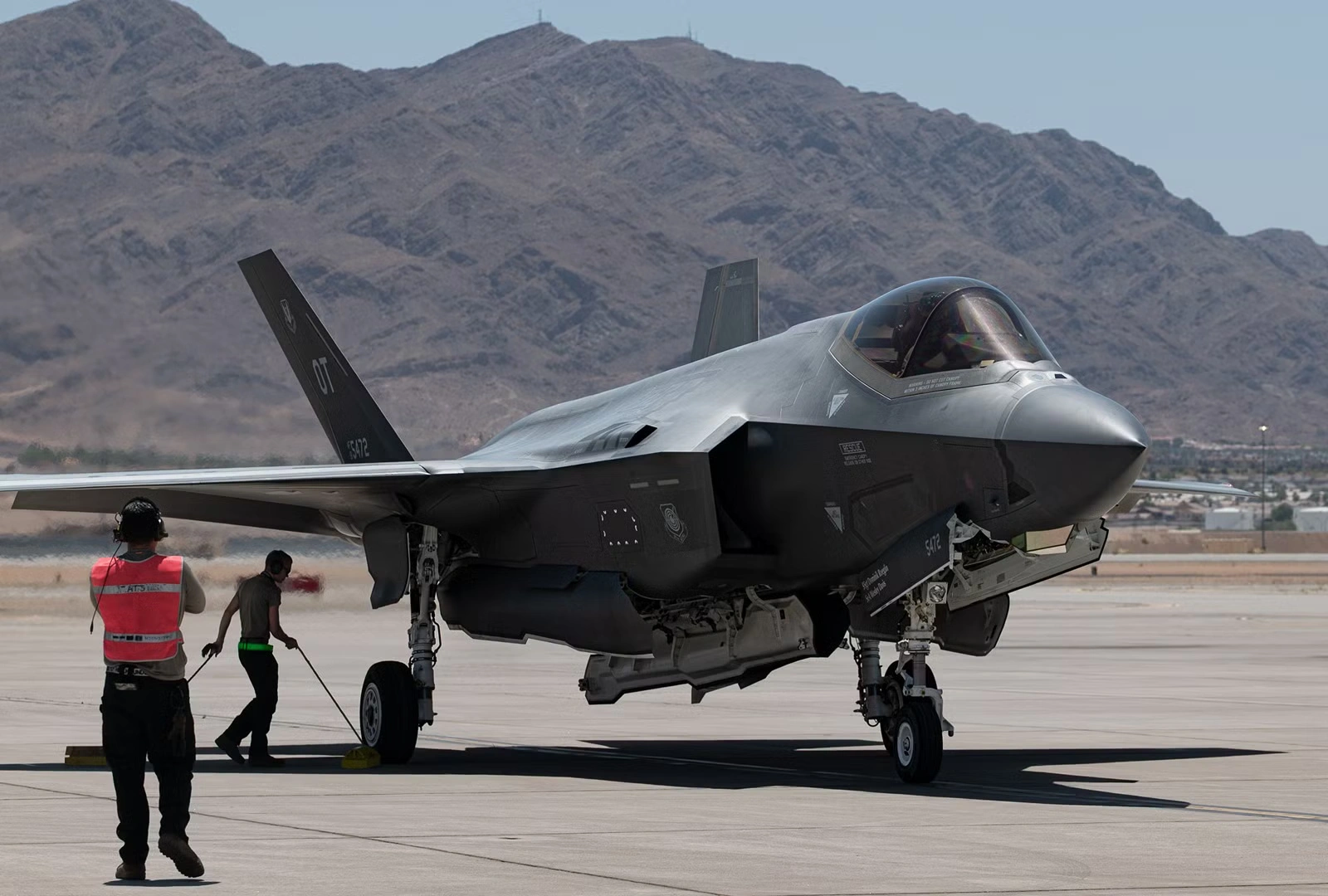
The first three F-35A jets landed at Łask on 22 May 2026, and the acceptance ceremony took place on 12 June 2026. Poland ordered 32 jets through US Foreign Military Sales, and sources give the end of deliveries as 2029 or 2030.
Kosiniak-Kamysz announced a Patriot battery for the Lublin region on 5 October 2026, and we found no late-2026 status on other Patriot cases. A zone is only as useful as the fighters and missiles behind it, which is where US-made systems enter.
Latin America
We found no sourced data on arms-price or energy-price effects for emerging markets, and the zone is a flight restriction with no market figures attached. Any link is our analysis, not evidence: longer queues for air-defence systems or higher energy risk premiums would matter only if incursions grew.
Two Scenarios
In a stabilising scenario, the decree arrives on time with published boundaries, civil exceptions and allied consultation. Incursions would then meet clearer rules, and the debate over shooting would stay inside existing military limits.
In a tipping scenario, a court challenge slows the decree, or another incident forces a shoot-down over populated land. Allied disagreement over striking missiles above Ukraine would add to the strain, and both scenarios are illustrations, not forecasts.
What It Means for You
For a US reader, the zone is a test of how NATO air defence works in practice, not a change to Article 5. No new allied commitment has been reported, and the decisions about Ukrainian airspace sit with the alliance as a whole.
If you fly a small aircraft or drone in eastern Poland, check the air navigation notices. Passenger travel is meant to be largely unaffected, according to Spidersweb.
Investors and policy readers should watch the US-linked exposures named above: troop levels, F-35 deliveries and Patriot purchases. Each depends on decisions in Washington and Warsaw that the zone itself does not settle.
What Is Not Known
We could not open an official text: no Dziennik Ustaw entry, PANSA notice or NATO statement on the new zone was reached. This analysis therefore rests on secondary outlets, and the gaps below are real.
- The statutory basis, exact boundaries, altitude limits and exceptions have not been published.
- The depth is unclear, because Tomczyk spoke of roughly 12 km to several dozen km, while other coverage gives 20 to 50 km.
- Most reports mention only the Ukrainian border, and one also mentions Belarus.
- Reports differ on whether the drone incursion took place on 23 or 24 November.
- The investigation into the 30 July 2026 incident was not finished when Tusk spoke.
Whether the zone changes the rules of engagement is not established, since Spidersweb’s view is not an official statement. How NATO command would handle a zone, and whether allies will shoot down missiles over Ukraine, are also open.
What to Watch
Watch the PANSA notices, the Ministry of National Defence site and the Government Legislation Centre register for texts.
- Fourth quarter of 2026: the government’s plan to adopt the SOP1 and SOP2 regulations.
- Late December 2026 or early January 2027: the target for the decree to take effect.
Also watch whether the published boundaries match Tomczyk’s depth, and whether NATO states a position on shoot-downs over Ukraine. A decree that arrives late, or without clear limits, would leave the zone as an announcement rather than a rule.
Frequently Asked Questions
What is Poland’s eastern air defence zone?
It is a planned no-fly zone along Poland’s eastern border, not an official name found in any source. Deputy Defence Minister Cezary Tomczyk said on 25 November 2026 that a decree is being prepared.
When will the Polish zone take effect?
Tomczyk said the decree should take effect at the end of December or the beginning of January, so late December 2026 or early January 2027. That is a target, and no decree text has been published. The government plans to adopt two draft regulations in the fourth quarter of 2026, according to Defence24.
Is Poland’s zone a NATO zone or an Article 5 trigger?
Coverage by European Pravda and bne IntelliNews describes it as neither a NATO zone over Ukraine nor an Article 5 trigger. Article 5 has not been invoked, and Poland used Article 4 consultations in September 2025. NATO’s top commander in Europe authorised an AWACS early-warning aircraft for Poland after a North Atlantic Council session in the week of 23 November 2026.
Would the zone let Poland shoot down more aircraft?
Tomczyk said entering the zone would not by itself justify opening fire. Radar tracks plus altitude, speed and zone entry would form the basis for a decision. Spidersweb reads the drafts as creating no new shoot-down authority, which is the outlet’s reading and not an official statement.
What incidents led to the plan?
On 20 November 2026 three Russian Kh-101 cruise missiles entered Polish airspace during a large attack on Ukraine. A Russian surveillance drone entered late on 23 November, and troops reportedly held fire to protect civilians. In September 2025 Russian drone incursions led Poland to invoke Article 4.
What does the zone mean for US troops, F-35s and Patriots?
Poland hosts about 10,000 US troops, mostly rotational, and the current level was not found. The first three F-35As landed at Łask on 22 May 2026, and Poland ordered 32 jets. Defence Minister Władysław Kosiniak-Kamysz announced a Patriot battery for the Lublin region on 5 October 2026.
Will the zone change arms or energy prices for Latin America?
We found no sourced data on arms or energy price effects. The zone is a flight restriction, and no market-impact figures were found for it. Any link to emerging markets would be analysis, not evidence.
Sources: riotimesonline.com, eurointegration.com.ua, defence24.pl, spidersweb.pl, tvpworld.com, pravda.com.ua. Retrieved 26 November 2026.
This article was produced by The Rio Times’ automated AI newsroom. Editorial responsibility: Matthias Camenzind, Publisher and Editor-in-Chief. The Rio Times also runs Ask Rio Times, which answers from 100,000+ of our own articles, the daily Latin America Power Map, and prediction-market odds on elections and markets.. How we use AI · Report an error