Paris Agreement Crumbles as Global Powers Abandon Climate Commitments
(Analysis) The Paris Agreement, once celebrated as a turning point in global climate action, now appears to be little more than a symbolic gesture.
With over 90% of its 195 signatories failing to meet the February 2025 deadline to submit updated Nationally Determined Contributions (NDCs), the framework’s credibility is unraveling.
The United States’ withdrawal under President Donald Trump further underscores the agreement’s diminishing relevance, raising questions about whether it was ever a genuine commitment or merely political theater.
NDCs, the backbone of the Paris Agreement, require countries to outline progressively ambitious plans to cut greenhouse gas emissions every five years.
Yet, as of this month, only 17 nations—including the United States (prior to its withdrawal), Brazil, and the United Kingdom—have submitted updated targets. The remaining countries, responsible for 83% of global emissions, have failed to comply.
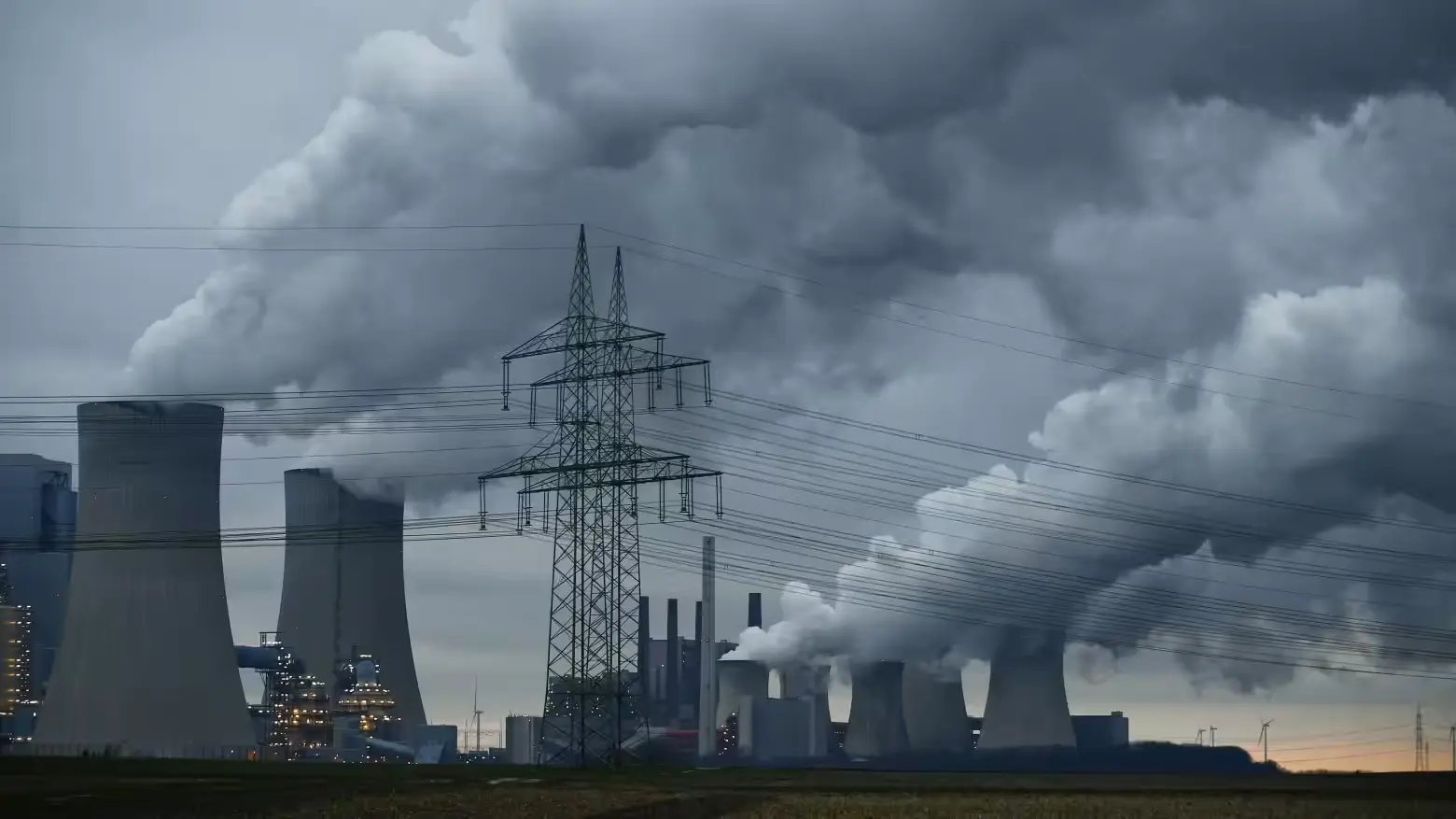
Among these are China, the world’s largest emitter at 31.8% of energy-related emissions in 2021, and India, which accounts for 6.8%. Even the European Union, long seen as a climate leader, remains mired in internal disputes over balancing environmental goals with industrial competitiveness.
A Platform for Political Posturing, Not Climate Action
The lack of compliance reflects deeper structural issues within the Paris framework. The agreement imposes no penalties for missed deadlines or unfulfilled promises, allowing nations to delay action without consequence.
This absence of accountability has turned the accord into a platform for lofty declarations rather than meaningful progress. Reports from Climate Action Tracker reveal that even if all current pledges were fully implemented, global temperatures would still rise by 2.7°C by 2100—far above the critical threshold of 1.5°C.
The U.S.’s departure from the agreement highlights its fragility. Critics argue that the Paris framework prioritizes progressive ideals over practical solutions, imposing economic burdens on nations like the U.S. while allowing major emitters such as China to delay substantive action until 2030 or beyond.
Meanwhile, developing countries demand financial and technological support from wealthier nations to meet their targets, further complicating global coordination. As COP30 approaches in November 2025, hopes for renewed momentum seem dim.
The Paris Agreement’s failure to enforce compliance or deliver measurable results exposes it as a well-intentioned but ultimately ineffective mechanism—a stage for political posturing rather than a solution to the climate crisis.
This article was drafted with automated assistance and reviewed before publication. How we use AI · Report an error · Editorial responsibility: Matthias Camenzind, Editor-in-Chief
Read More from The Rio Times