Panama Canal Authority Rejects U.S. Claim of Preferential Transit Rights
The Panama Canal Authority (ACP) denies U.S. claims of preferential crossing rights. The U.S. Department of State stated that Panama agreed to waive transit fees for U.S. government vessels. However, the ACP insists no such deal exists.
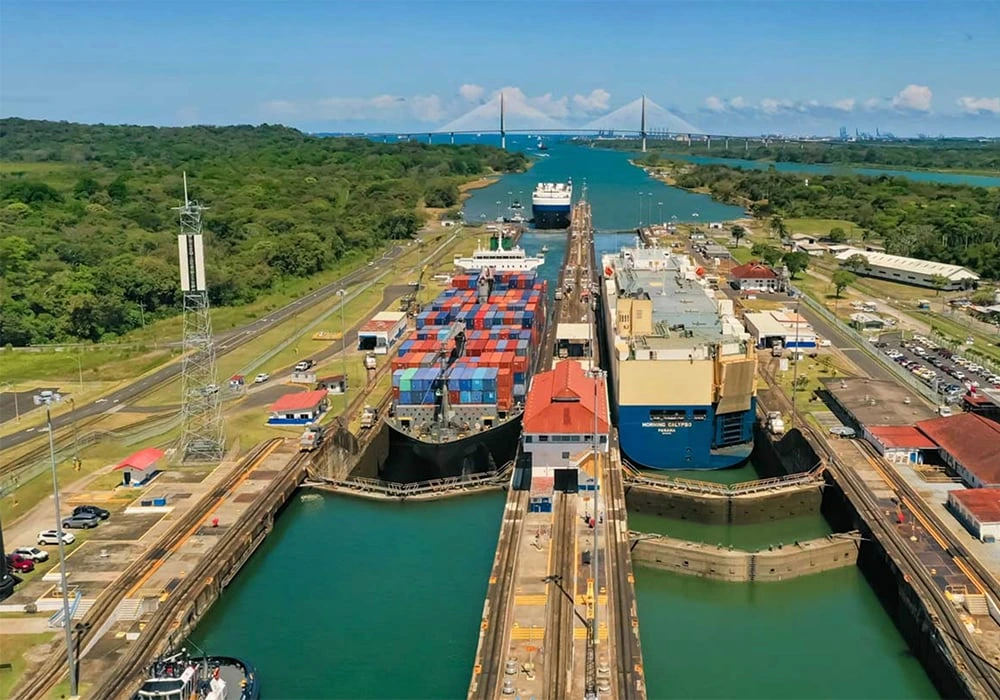
This dispute heightens tensions after President Trump threatened to retake control of the canal. The canal, a pivotal global trade route, generates about $3 billion annually for Panama.
Trump accused Panama of overcharging for canal use, suggesting a return to U.S. control if Panama doesn’t comply. Trump’s claims also include accusations that China controls the canal, which both Panama and China refute.
The canal’s management returned to Panama in 1999 under the Torrijos-Carter Treaties. This background frames the current diplomatic spat.
Secretary of State Marco Rubio’s visit to Panama aimed to discuss these issues. Rubio met President José Raúl Mulino, who promised to withdraw from China’s Belt and Road Initiative.
This move might reflect U.S. pressure but also showcases Panama’s navigation in international politics. The ACP remains open to dialogue with the U.S. about the transit of warships, acknowledging the importance of maintaining good relations.
Navigating Sovereignty and Global Trade Dynamics
However, they stress that toll adjustments have not been made. This situation underscores the delicate balance of power, economics, and diplomacy in managing one of the world’s busiest waterways.
It also highlights the complexities of international agreements and national sovereignty in an era where global trade routes are strategic assets. Every year, around 14,000 ships pass through the canal, significantly impacting global shipping routes.
Any change in toll policies could affect not just Panama’s economy but the global supply chain. The narrative here isn’t just about tolls; it’s about control, influence, and the assertion of national sovereignty in the face of superpower dynamics.
Without oversight, Panama asserts its right to manage its own affairs, reflecting a libertarian stance on autonomy and economic independence. This incident serves as a reminder of the ongoing geopolitical chess game where economic interests and national pride intersect.
More: Latin America news in English, every day from The Rio Times.
This article was drafted with automated assistance and reviewed before publication. How we use AI · Report an error · Editorial responsibility: Matthias Camenzind, Editor-in-Chief