Panama Withdraws from China’s Belt and Road Initiative Under U.S. Pressure
Panama’s President, José Raúl Mulino, announced the country’s exit from China’s Belt and Road Initiative. This move comes amidst significant pressure from the United States to limit Chinese influence over the Panama Canal.
The decision was revealed just days after US Secretary of State, Marco Rubio, visited Panama. Rubio’s visit underscored the US’s concerns about China’s growing presence in the region.
He echoed former President Donald Trump’s warnings that the US might take control of the canal if Chinese influence wasn’t curbed. Despite these pressures, President Mulino asserted that the decision to withdraw was his own.
He acknowledged that the initiative, which involved Chinese-funded infrastructure projects, had not yielded the expected benefits for Panama. Panama was the first Latin American nation to join the Belt and Road Initiative in 2017.
This shift occurred after Panama broke ties with Taiwan and recognized the Chinese government. The agreement, automatically renewed every three years, included a clause allowing either party to withdraw with three months’ notice.
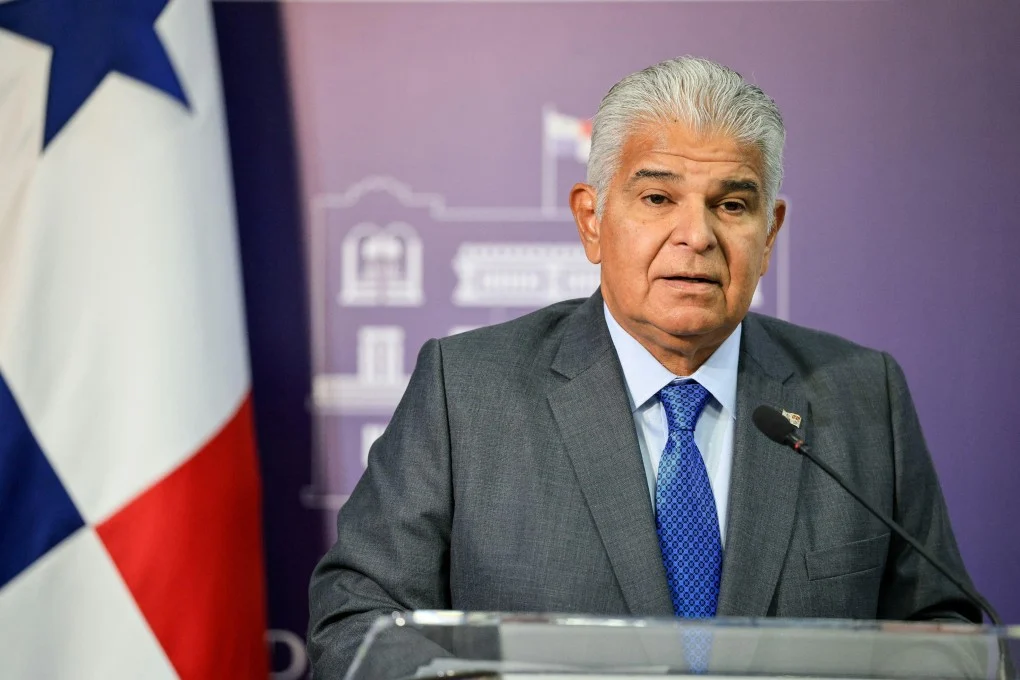
Mulino confirmed that Panama’s Embassy in Beijing had formally notified Chinese authorities of the decision. China’s Foreign Ministry spokesperson, Lin Jian, responded by stating that cooperation between the two countries had been normal.
He hoped Panama would resist external interference, highlighting the geopolitical tensions at play. The announcement sparked conflicting statements about access to the Panama Canal.
Geopolitical Tensions and Their Impact
The US State Department initially claimed it would waive fees for American ships, supposedly saving millions annually. However, Panama’s Canal Authority denied any such agreement.
They emphasized that they had made no changes to tolls or transit rights for US government ships. This development underscores the ongoing competition between the US and China for influence in strategic regions.
For investors and policymakers, understanding these geopolitical shifts is crucial. They affect global trade routes and infrastructure investments, shaping future economic and political landscapes.
More: Latin America news in English, every day from The Rio Times.
This article was produced by The Rio Times’ automated newsroom system. How we use AI · Report an error · Editorial responsibility: Matthias Camenzind, Editor-in-Chief