Opinion: U.S.-Brazil Relations – New Chapter or Old Rhetoric?
(Opinion) The recent discussion between U.S. Commerce Secretary Gina Raimondo and Brazilian leaders is said to mark a potential new phase in U.S.-Brazil trade relations.
But, is this just diplomatic rhetoric or a genuine pivot towards more meaningful collaboration?
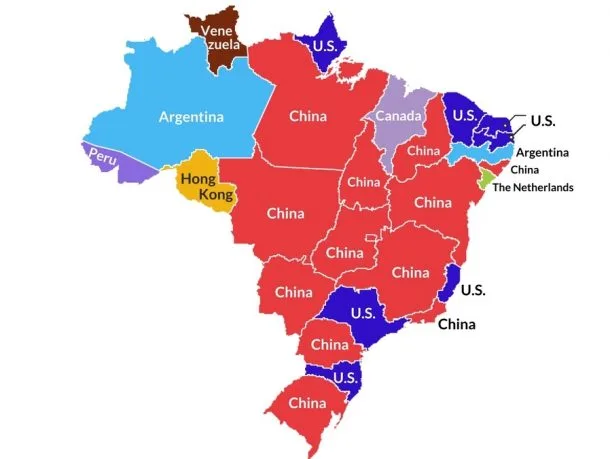
This visit, focusing on reinforcing bilateral and commercial ties, comes at a time when trade between the two nations has hit record highs.
While Raimondo’s emphasis on the U.S.-Brazil CEO Forum and Commercial Dialogue appears promising, one must question the tangible outcomes these platforms will yield.
Can they genuinely foster changes that benefit both economies, or are they simply high-level talk shops?
The commitment to fighting climate change and promoting diversity and inclusion is commendable.
However, it raises questions about practical implementation. How will these values translate into actual policy changes and trade agreements?
Will they align with the broader economic and political agendas of both countries?
Moreover, while symbolically significant, the plan to commemorate 200 years of U.S.-Brazil diplomatic relations in 2024 begs the question:
What concrete steps will both nations take to address global challenges and capitalize on growth opportunities?
Need for critical analysis and robust strategies
The U.S. Department of Commerce’s highlight of the meeting’s focus on the strength of U.S.-Brazil trade relationships is a positive sign.
Yet, this should not overshadow the need for critical analysis and robust strategies to ensure that trade benefits reach all populations, as Raimondo stated.
Given the current global economic and political climate, is this an achievable goal, or just a diplomatic platitude?
In conclusion, while the meeting between Raimondo and Brazilian officials symbolizes a step towards stronger U.S.-Brazil relations, it’s essential to remain vigilant.
Monitoring how these discussions evolve into actionable strategies that benefit both nations is crucial.
As observers, we must continue to question and analyze these developments to ensure that these diplomatic efforts don’t just end up as mere gestures.
This article was produced by The Rio Times’ automated newsroom system. How we use AI · Report an error · Editorial responsibility: Matthias Camenzind, Editor-in-Chief
Read More from The Rio Times