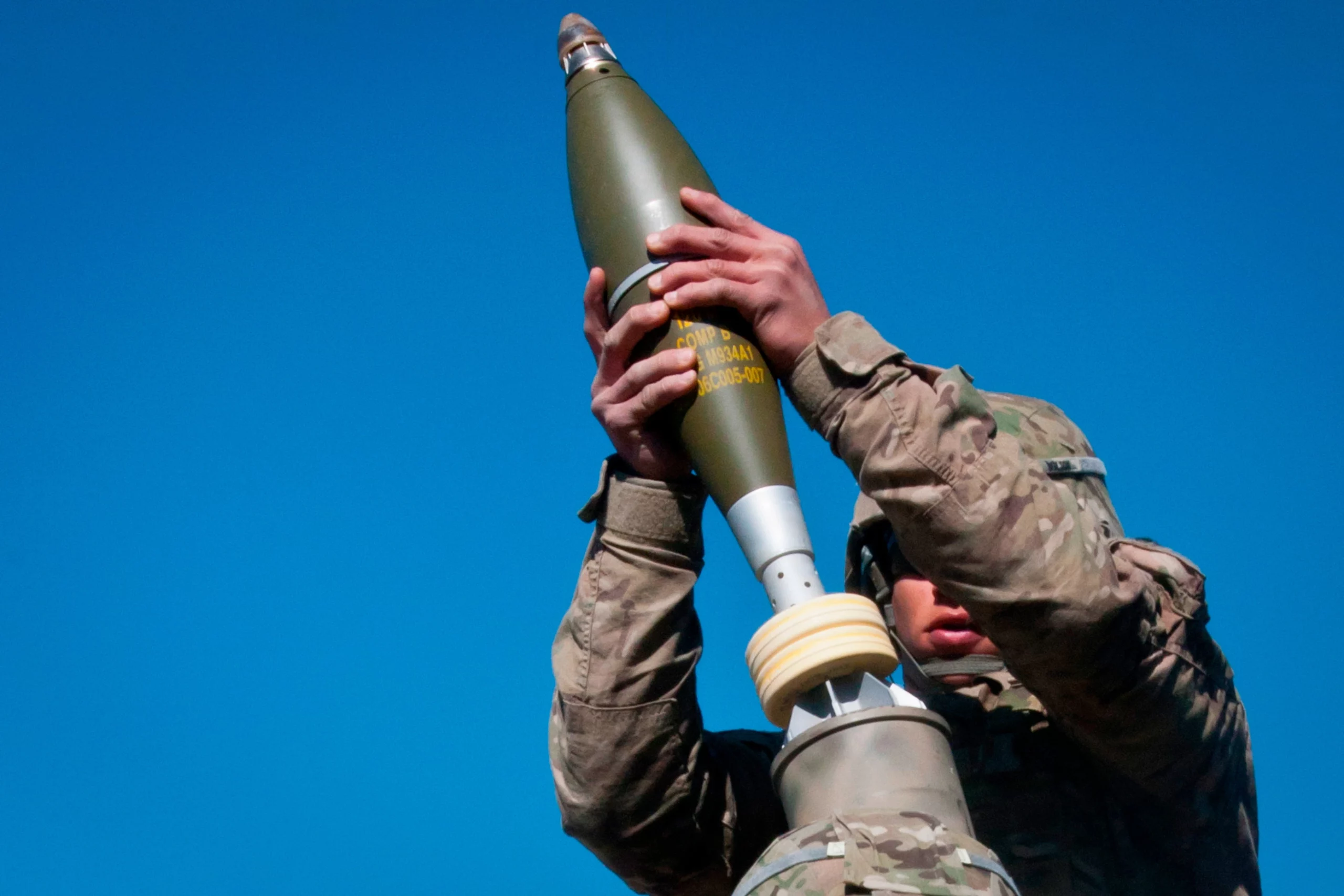
The Brazilian and U.S. armies have started a joint project to develop advanced 120mm mortar ammunition.
This initiative, known as PA-A-23-0001, focuses on creating extended-range munitions.
It integrates cutting-edge technologies, which include low-sensitivity energetic compounds for propellants and explosives.
These technologies aim to enhance ballistic performance and include new designs for grenade bodies, propulsion engines, and exhaust nozzles.
This project’s main goal is to extend the operational range of the mortar ammunition while reducing future production costs.
Another key objective is to ensure interoperability between the two countries’ military forces. This aspect is crucial for coordinated operations and strategic alignments.
Key military and defense representatives from both countries convened to lay down the project’s initial four-year plan.
They established clear guidelines, ensuring the project aligns with the strategic goals of both nations.
The United States Army Combat Capabilities Development Command DEVCOM played a pivotal role in these discussions.
A significant step was signing the Initial Technical Action Management Plan, marking a formal commitment from both nations to this project.
This collaboration underscores the commitment of Brazil and the U.S. to advance military technology.
It also highlights the importance of international cooperation in modern defense strategies.
The project is set to contribute significantly to military ammunition technology, particularly in range and cost-effectiveness.
This collaboration bolsters Brazil’s and the U.S.’s military capabilities by emphasizing innovation and efficiency, setting a model for global defense partnerships.
This article was produced by The Rio Times’ automated AI newsroom. Editorial responsibility: Matthias Camenzind, Publisher and Editor-in-Chief. The Rio Times also runs Ask Rio Times, which answers from 100,000+ of our own articles, the daily Latin America Power Map, and prediction-market odds on elections and markets.. How we use AI · Report an error
Read More from The Rio Times