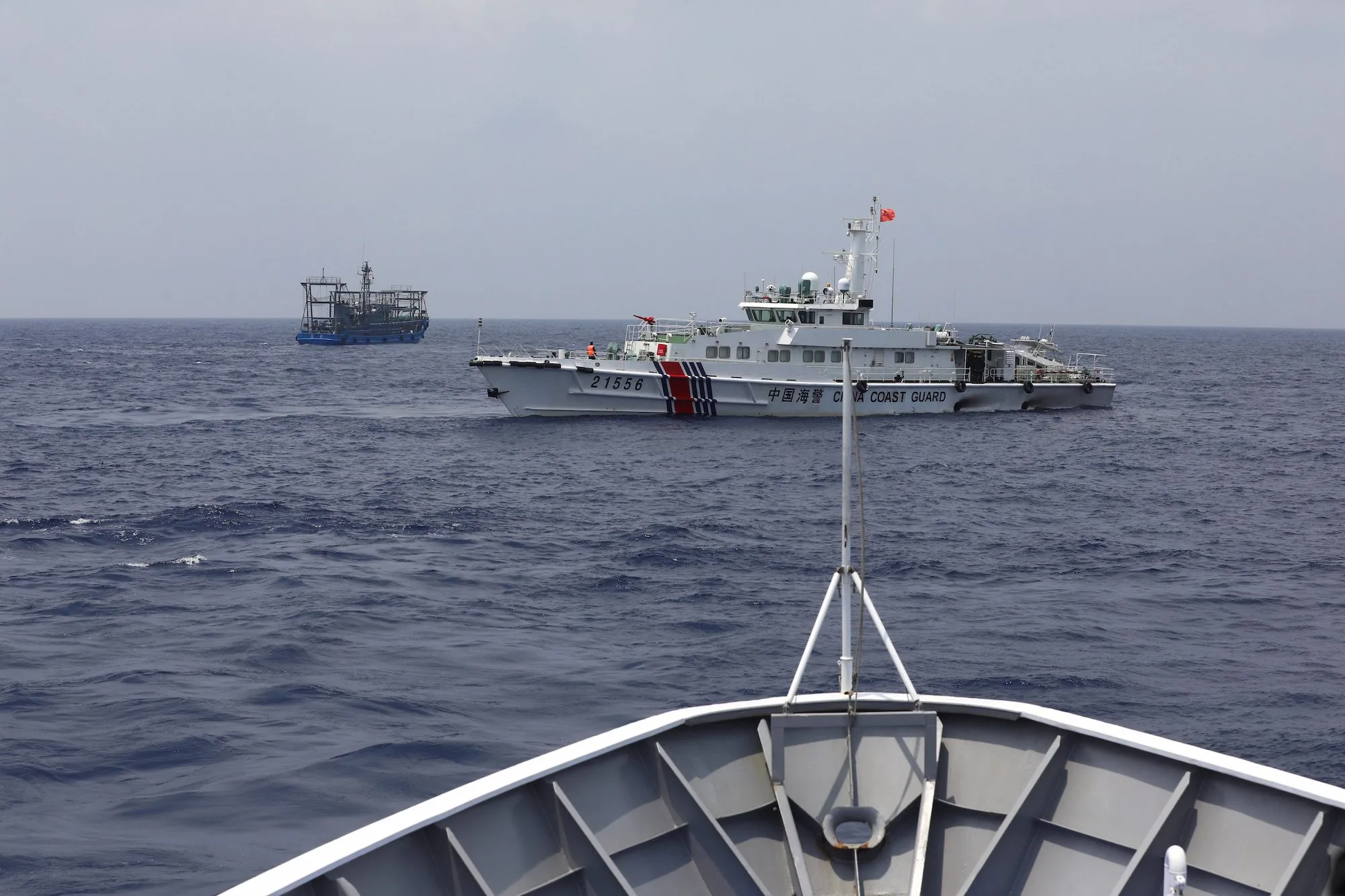
The conflict has escalated into several standoffs, especially near Vietnam’s Vanguard Bank, highlighting the ongoing tensions and confrontations.
As a result of these geopolitical tensions, Vietnam and the Philippines have found themselves compelled to increase their energy imports.
This is despite having substantial untapped reserves within their maritime zones.
This shift has hindered energy projects, enabling China to establish itself as the leading force in regional energy development.
Furthermore, the South China Sea’s strategic value extends beyond mere resources; it is a critical maritime route that significantly impacts international trade.
This raises the stakes in territorial disputes as nations navigate complex regional power dynamics and international law.
As these countries grapple with these challenges, the implications for regional stability and the global energy market are profound.
The South China Sea struggle highlights its strategic value and the delicate power balance in this key region.